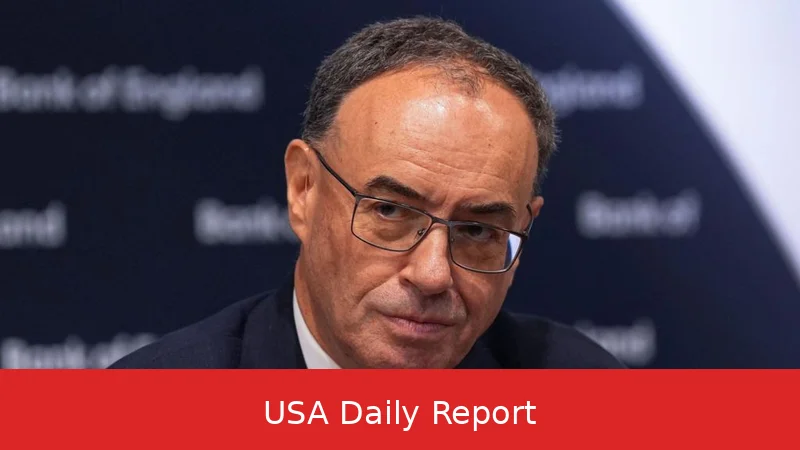
The recent collapses of two US private credit-backed companies have sent ripples through the financial world. Bank of England Governor Andrew Bailey warns these failures might point to deeper issues lurking in the shadows of private markets.
Warnings From the Top
Andrew Bailey, governor of the Bank of England, spoke candidly to the House of Lords Financial Services Regulation Committee about the fallout from the failures of First Brands and Tricolor. These two companies, tied to private credit markets, have sparked fears of wider financial vulnerabilities. Bailey highlighted that while these defaults could be isolated incidents, they might also signal more fundamental risks in a part of the financial system that remains largely opaque.
He questioned whether these cases are just 'idiosyncratic' or if they serve as a warning—"the canary in the coal mine," as he put it. The uncertainty around these events leaves regulators and markets alike on edge, uncertain if they're facing the start of a broader crisis or just bad luck for a couple of companies.
Echoes of 2008
Bailey didn’t shy away from drawing parallels to the 2008 financial crisis. Back then, many dismissed the subprime mortgage troubles in the US as too small to be systemic. That call proved disastrously wrong. He cautioned against repeating that mistake, stressing that the private credit market today shares some troubling traits with the pre-crisis period—high leverage, weak underwriting standards, and complex loan structures sliced and diced into tranches.
He said, "Alarm bells start going off at that point," recalling his experience with financial regulation before the crisis. The lack of transparency and interconnectedness in these markets could pose risks not fully understood yet. Deputy Governor Sarah Breeden echoed these concerns, pointing to the opacity and leverage within the failed firms, but she also noted the uncertainty over how widespread these risks might be.
Private Credit’s Growing Shadow
Private credit has grown rapidly in recent years, as non-bank lenders have stepped in to fill financing gaps left by traditional banks. These lenders operate with far less regulatory oversight, which can increase risks.
The defaults at First Brands, a car parts supplier, and Tricolor, a subprime auto lender, highlight vulnerabilities in this booming sector.
Markets have already reacted. Some US banks with exposure to private credit have seen share prices slip. The intricate web connecting private credit to broader financial markets means a shock in one corner can quickly spread elsewhere. Bailey emphasized that the Bank of England is closely watching these developments and will fold them into its regulatory work on private finance.
Looking Ahead
The private credit market’s complexity makes it a challenge for regulators. Bailey and his team face the task of untangling these risks before they escalate. The question remains: are these failures early warnings or just isolated setbacks? The answer could have big implications for financial stability worldwide.
For now, Bailey urges caution and vigilance. This stakes are high, and history reminds us that underestimating hidden risks can have steep consequences.
Bailey’s remarks underline the uncertainty clouding private credit markets and the need for careful oversight as regulators grapple with a sector that could threaten financial stability if left unchecked.