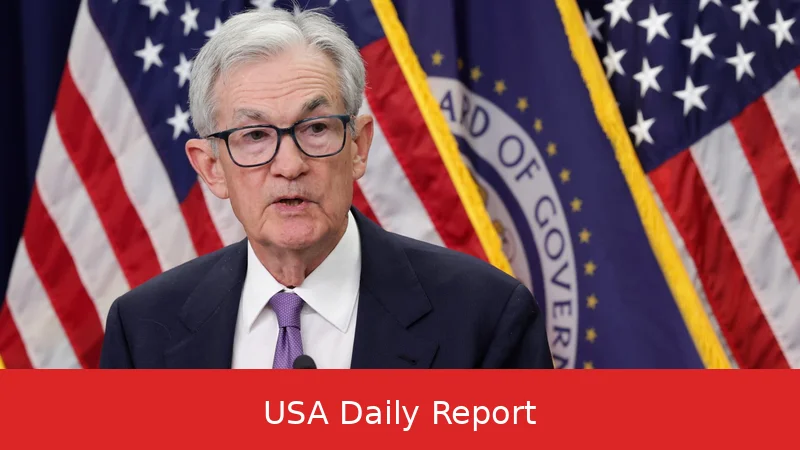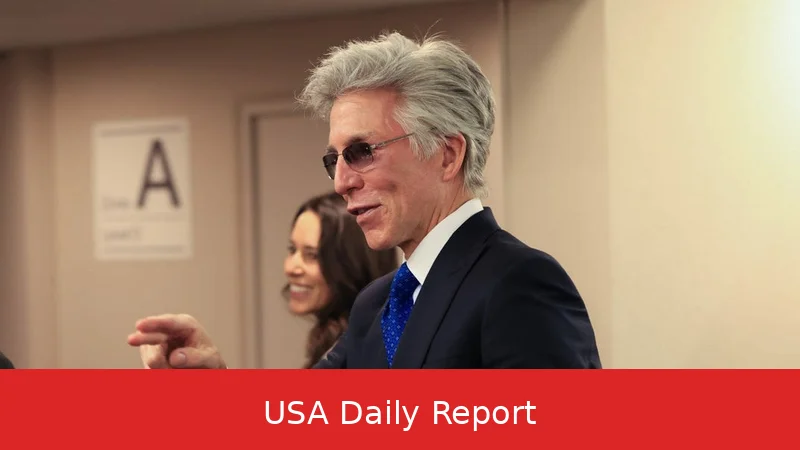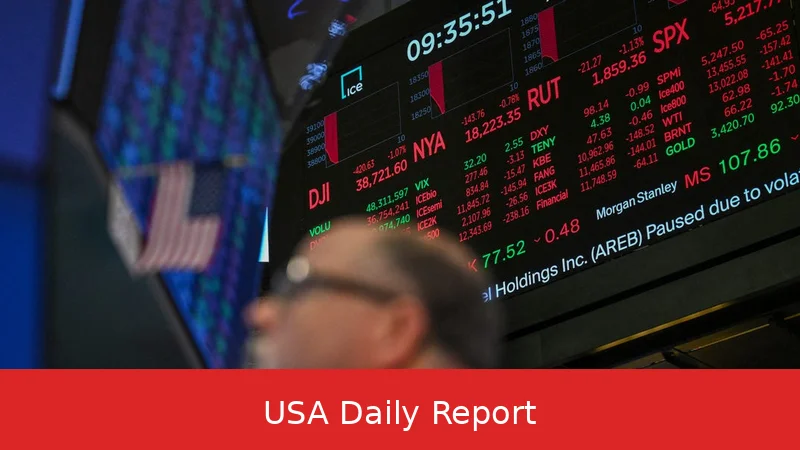
The recent surge in U.S. Stocks has investors hopeful, but Bank of America’s chief strategist Michael Hartnett warns the rally might be short-lived. He says the market needs a few big things to happen before gains can stick.
Three Conditions for a Lasting Rally
The S&P 500 has jumped over 7% since early this week, driven largely by hopes that the U.S. And China could ease their ongoing trade tensions. But Hartnett isn’t buying into the optimism just yet. He points to three key developments that must fall into place for this rally to have staying power.
First up: a meaningful trade deal. The current tariff rate on Chinese goods stands at a hefty 145%, a far cry from the 60% cap President Trump once mentioned. Hartnett says that trimming tariffs below 60% would be a game-changer, easing pressure on supply chains and business confidence. So far, though, talks remain murky. While Trump says negotiations are happening, Beijing denies any formal discussions.
Next, the Federal Reserve needs to step in by cutting interest rates. The market’s bond yields shot up after the recent tariff drama, which threatens to tighten financial conditions.
Comments from Fed officials suggest they’re ready to cut rates if the economy weakens, with investors betting on a 60% chance of a 25-basis-point cut in June. Lower rates would push Treasury yields down and could support riskier assets like stocks.
Finally, American consumers have to keep spending. Hartnett notes that, despite inflation and market jitters, consumer spending remains solid, thanks largely to strong employment. This resilience helps keep the economy afloat and reduces the chance of a consumer-driven recession even as equity wealth shrinks among wealthier households.
Warnings from the Past and Present
Hartnett also draws a worrying parallel between today’s market and conditions before the 2008 financial crisis. Oil prices have spiked sharply, mirroring the jump from $70 to $140 a barrel in the year before the crash.
The recent Iran conflict pushed energy costs up more than 60% this year, fueling fears of stagflation — rising prices with stagnant growth — a nightmare for policymakers.
Private credit markets, another source of concern, are showing signs of stress. Redemptions, tougher lending standards, and uncertainties from new technologies like AI are rattling investors. Hartnett points out that markets are starting to behave like they did in mid-2007 to mid-2008, a period marked by growing financial strain.
The European Central Bank’s recent signals add to the tension. One ECB official warned the Iran conflict might force earlier-than-expected rate hikes in Europe, which could tighten global financial conditions further. Hartnett recalls how the ECB’s rate hike in July 2008, coinciding with oil’s peak, was later seen as a major policy blunder that intensified the crisis.
Market Moves and Strategy
Despite the risks, many investors are betting the troubles won’t become systemic. The market consensus currently expects the Iran conflict to be short-lived and private credit issues to be manageable. This optimism supports continued bullish bets.
Still, Hartnett advises caution. He suggests selling when oil prices top $100 a barrel and when the U.S. Dollar index rises above 100. At the same time, he recommends buying 30-year Treasury bonds when yields exceed 5% and considering the S&P 500 when it dips below 6,600 points. As of last Friday, the 30-year Treasury yield stood at 4.88%, the dollar index at 100.11 — its highest since November — and the S&P 500 hovered near 6,663.
Hartnett’s call to “sell hubris and buy humiliation” sums up his view that investors should be wary of complacency and ready to act on market pain. He and his team remain buyers of bonds, international stocks, and gold during dips but sellers of U.S. Stocks and the dollar during rallies.
Hartnett’s outlook hinges on cooling trade tensions, Fed rate cuts, and steady consumer spending. Until then, the market’s current highs might be just a brief pause before more volatility hits.