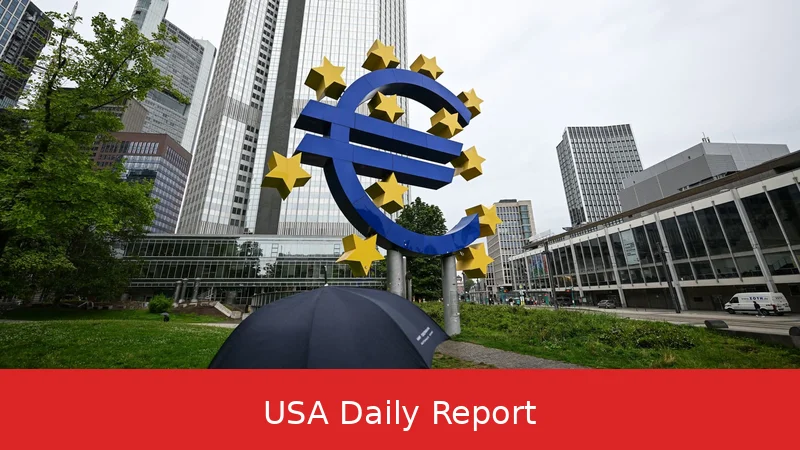
Oil prices surged past $110 a barrel this month, forcing the European Central Bank to reconsider its stance on interest rates. Officials are now weighing the possibility of a rate hike as soon as April, a shift from the earlier expectation of holding steady through midyear.
Energy Shock Forces Fresh ECB Calculations
The conflict in the Middle East has sent energy prices soaring, disrupting the ECB’s prior economic assumptions. Just a few months ago, forecasts were based on oil prices hovering near $60 per barrel. Now, with Brent crude above $110, the baseline projection is outdated. This spike is pushing inflation risks higher, forcing the ECB to rethink its policy path.
The bank’s December macroeconomic projections had factored in futures prices that now look far too optimistic. Gas prices have climbed sharply as well, moving from around 30 euros per megawatt-hour to nearly 50. These shifts mean inflation may overshoot the ECB’s 2% target more than anticipated.
April Meeting Could Spark Discussions on Tightening
Officials are reportedly considering starting talks on raising interest rates at the April 29-30 meeting. Sources familiar with the matter told Reuters that unless the Middle Eastern conflict eases quickly, the ECB might need to act sooner than expected. But a policy move in April would likely depend on energy prices pushing even higher—one insider mentioned $200 per barrel oil as a possible trigger.
Still, the more probable scenario is a rate hike in June, when updated data will give a clearer picture of how energy costs are affecting the broader eurozone economy. The ECB has kept rates at 2% since its last meeting but warned that the war is clouding growth and inflation forecasts.
Market Expectations and ECB Messaging
Markets had been pricing in a rate cut as early as March or April, but recent comments from ECB officials suggest those bets might be premature.
Dutch Central Bank President Klaas Knot warned that market expectations of easing could be counterproductive, hinting that the bank may hold off on cuts. ECB President Christine Lagarde has expressed a cautious stance, emphasizing data dependency and reserving judgment on the timing of any cuts.
Economists at BNP Paribas and Société Générale expect the ECB to maintain current rates through the first half of the year. Yet some forecasts, like UBS’s, still see an April cut as possible, though with low confidence. The key driver remains inflation trends and geopolitical risks, both of which remain highly uncertain.
Inflation Outlook and Growth Risks
Headline inflation ticked up to 2.9% in December, partly due to base effects from energy prices. Core inflation eased slightly but remains above target. Wage negotiations across Europe won’t conclude until late spring, adding to the uncertainty.
The ECB faces the challenge of balancing the risk of overheating inflation against slowing growth.
Growth projections anticipate a slowdown but not a full recession, even if energy prices stay elevated. The bank’s staff scenarios will likely show only a modest hit to growth, though the inflation outlook worsens under higher energy price assumptions. That’s because sustained high energy costs tend to push up core inflation through second-round effects, such as increased wages and input prices.
As the ECB approaches its April meeting, officials face a tough call amid rising energy costs and geopolitical turmoil. Whether they start debating rate hikes next month or wait until June, the path forward depends heavily on how the energy crisis unfolds and its ripple effects across the eurozone economy.