Lloyd's isn't walking away. Not yet, anyway. The global gas market is staring down the barrel of a crisis, with Brent crude oil prices having jumped 15% in the opening days of the conflict and now hovering at $120 a barrel.
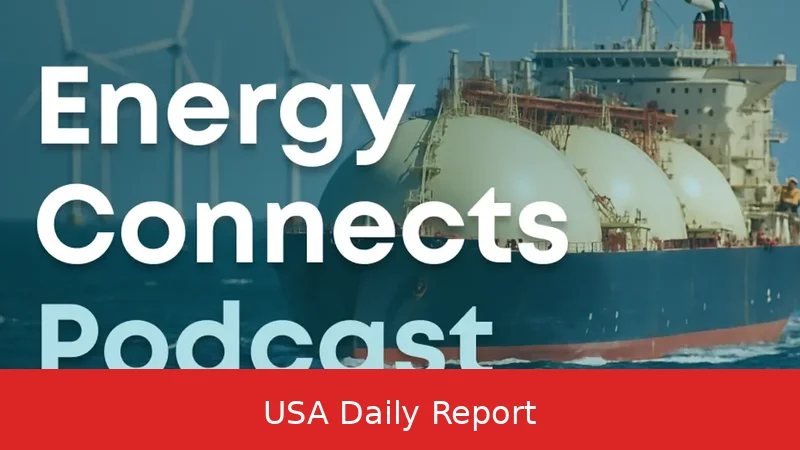
As the war enters its third week, the usually stable gas market is facing rare disruption, with commercial traffic grinding to a halt through the Strait of Hormuz, a critical chokepoint for global energy trade. Insurers, shipowners, and energy traders are scrambling to mitigate the risks, but the situation is complicated by Qatar's decision to shut down LNG production and cancel or reprice war-risk cover. That's triggered a global gas scramble, with ripple effects stretching from semiconductor fabs in Taiwan and China to farms in Brazil and steel mills in South Korea.
More than 110 billion cubic meters of LNG flows through the Strait of Hormuz have been disrupted, leaving Asia, which relies heavily on LNG imports, facing the greatest exposure. Europe risks tighter supplies during its critical storage injection period. The dependencies extend far beyond energy – the war is impacting global commodity flows, including helium, which is critical for the production of semiconductors and other high-tech products. Qatar's role in the global helium supply has been severely impacted, with the war already taking roughly one-third of the world's helium supply offline.
Anne-Sophie Corbeau, Global Research Scholar at the Center on Global Energy Policy, Columbia University, says the conflict is likely to lead to a big increase in LNG prices, which could have a major impact on the global economy. "The situation is further complicated by the fact that the conflict is occurring at a time of geoeconomic fragility, with the global economy already facing significant challenges," she warns.
Geopolitics of a Global Crisis
It's a perfect storm of global instability, with the war threatening to disrupt global trade routes, investment decisions, and political stability. The situation is being closely watched by global leaders, who are working to mitigate the risks and find a resolution to the conflict. However, the outcome is far from certain, and the global gas market is likely to remain volatile for the foreseeable future.
That's not all – the conflict has also highlighted the importance of diversifying energy supplies and reducing dependence on any one region or supplier. The European Union has been working to reduce its dependence on Russian gas, and the conflict has accelerated these efforts. But the process is complex and will take time – and the global gas market is likely to remain vulnerable to disruption for the foreseeable future.