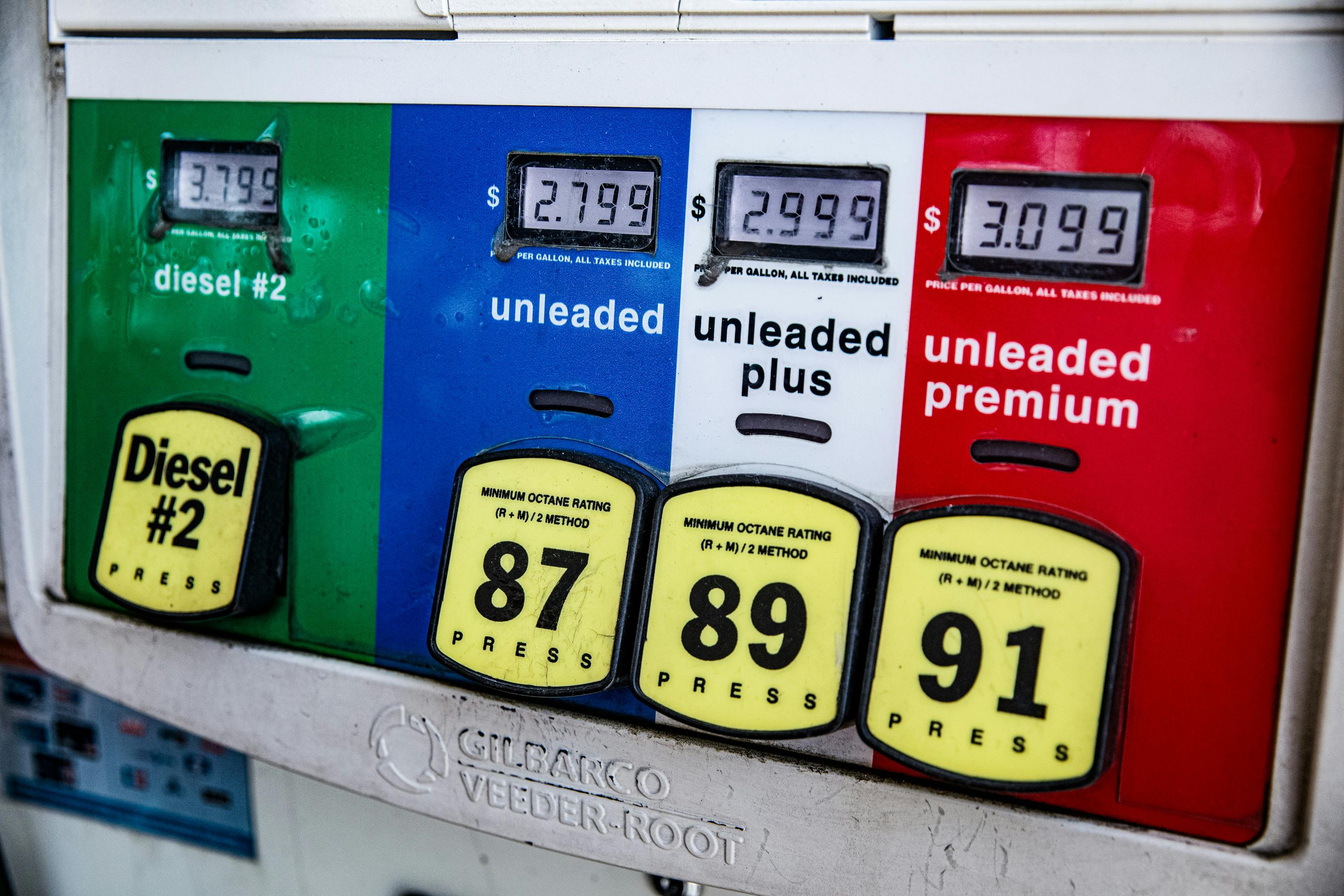
The Iran conflict sent oil prices skyrocketing, sparking turmoil in global markets. The sudden blockade of the Strait of Hormuz—vital for a fifth of the world's oil supply—triggered a sharp spike in energy costs, leaving investors on edge and markets reacting in unexpected ways.
Strait of Hormuz: The World's Energy Choke Point
Last week, tensions in the Middle East flared dramatically when a US-Israeli attack targeted the Iranian regime. The immediate fallout was a partial blockade of the Strait of Hormuz, a narrow waterway through which about 20% of global oil and gas shipments pass. The move instantly sent crude oil prices climbing, with analysts projecting a jump to $85 per barrel—and the possibility of prices topping $100 if the standoff worsens.
Markets opened Monday with jitters, reacting not just to the physical disruption but also to the wider geopolitical risks. This blockade raised freight rates and insurance premiums for cargo vessels, while some suppliers hesitated to use the route. That hesitance tightened global oil supplies and pushed energy costs higher.
Short-Term Shock, Long-Term Uncertainty
Experts argue that Iran lacks the capacity to sustain a full blockade of the Strait in the medium term. The US swiftly announced plans to escort vessels through the strait, aiming to keep the artery open. But in the immediate term, uncertainty reigned.
That uncertainty caused a spike in transport costs and fuel prices, with knock-on effects rippling through industries reliant on energy. Some countries started tapping into strategic reserves to ease the supply crunch.
Yet, if the blockade drags on, those reserves might not be enough to stabilize prices.
There's also a risk that Iran could target energy infrastructure in neighboring countries, escalating the conflict and disrupting supply chains even more. On top of that, alternative shipping routes and increased production elsewhere might soften the blow—if they can be ramped up quickly enough.
Beyond Energy: A Global Power Struggle
What’s surprising is how the market turmoil ties into a larger geopolitical chess game. Iran isn’t an isolated actor; it’s a key ally of Russia and a crucial energy supplier to China, alongside Venezuela—another country recently targeted by US intervention. The moves by Washington appear aimed less at local politics and more at disrupting Beijing’s energy lifelines.
Diplomatic insiders suggest the conflict is really the opening volley in a broader contest for global influence between the US and China. The attack on Iran, like the action in Venezuela, signals Washington’s attempt to weaken China’s key partners and, by extension, its global reach.
Investors are grappling with a much bigger picture, where energy market volatility is just one part. This unfolding conflict could reshape supply chains, alter trade alliances, and influence financial markets worldwide. It’s no wonder some investors are left puzzled by the mixed signals coming from markets—energy prices are rising, but the broader market reactions don’t always align with expectations.
What Investors Should Watch Next
How long the Strait of Hormuz remains partially blocked is the biggest question. If the disruption lasts only days, markets might calm as strategic reserves and alternative supplies come online. But if the standoff extends or escalates, energy prices could climb sharply, potentially pushing inflation higher and weighing on economic growth.
Investors will also be watching diplomatic efforts closely. Any sign of de-escalation could quickly reverse some of the price jumps. But if the conflict spreads or triggers retaliatory strikes on energy infrastructure, markets could face prolonged instability.
Meanwhile, the geopolitical angle means this isn’t just about oil and gas. The US-China rivalry is likely to keep energy markets—and by extension, financial markets—on edge for some time. That makes for a tricky environment where traditional market drivers might behave unpredictably.
For now, oil prices and market jitters reflect more than supply and demand. They echo a strategic battle playing out on a global scale, one where energy is the prize and financial markets the battlefield.


