
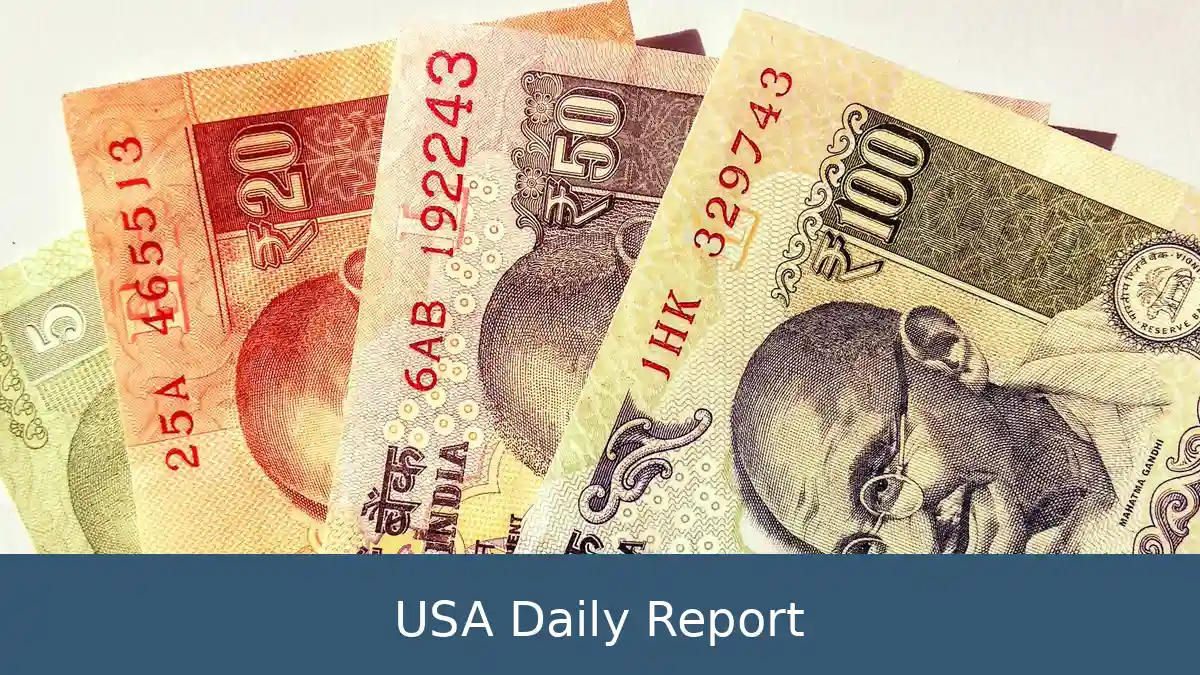
The Indian rupee has been on a rollercoaster ride, hitting new lows against the dollar as crude oil prices soar and global uncertainties mount. Investors and traders are bracing for more turbulence, with the currency’s volatility signaling fresh challenges for Indian equities.
Oil Prices Push Rupee Into Turmoil
Crude oil prices have surged past $115 a barrel, levels not seen since 2022. That jump has rattled markets worldwide, but it hits India particularly hard. The country imports more than 85% of its crude, so every spike in oil costs sends ripples through the economy. The rupee, already under pressure, has taken another hit as India’s import bill balloons.
Experts warn that this isn’t a short-term blip. Siddhartha Khemka of Motilal Oswal Financial Services points out that sustained high oil prices could force central banks to raise interest rates. That would tighten liquidity and raise borrowing costs, squeezing growth further. It’s a delicate balancing act — the longer the prices stay high, the deeper the pain.
Dollar Surge Adds Fuel to the Fire
At the same time, the US dollar has surged to its strongest point in two years. The greenback’s rise is driven by a strong US economy and aggressive tariff policies, making dollar assets attractive to investors. That means money is flowing out of emerging markets like India, pushing the rupee down even more.
Foreign investors are pulling capital from Indian equities, spooked by the dual threat of higher oil prices and a rising dollar. The outflows add to the rupee’s downward spiral, making it harder for India to stabilize its currency and markets.
Inflation and Growth Under Pressure
Higher oil prices don’t just hit the rupee. They also fuel inflation across the board. Petrol, diesel, cooking gas, and jet fuel prices are all climbing. That squeezes consumers and businesses alike.
Sectors like aviation, automotive, and chemicals—big users of oil derivatives—are bracing for tighter margins and cost hikes.
Ajay Bagga, a market veteran, warns that the rising oil bill will widen India’s current account deficit. That puts further pressure on the rupee and the broader economy. If prices keep climbing toward $150 a barrel, economic growth could take a serious hit. The risk of a global recession looms larger, with social tensions rising as the cost of living surges.
What This Means for Investors
Indian equity markets are already feeling the heat. The Sensex and Nifty have slipped to levels last seen in April 2025, with volatility spiking alongside the rupee’s swings. Traders are jittery, unsure how long this storm will last.
With crude oil showing no signs of retreat and the US dollar maintaining strength, the rupee’s volatility is likely to persist. That means more headaches for Indian companies reliant on imports and foreign investors wary of currency risk.
Market watchers are advising caution. The uncertainty around how long geopolitical tensions and oil price pressures will last makes timing tricky. But for now, the rupee’s wild ride seems far from over.
As India faces a perfect storm of rising oil prices, a strong dollar, and capital outflows, the rupee’s volatility is a clear warning sign. Whether the currency and markets can weather this turmoil depends on factors still out of anyone’s control.


