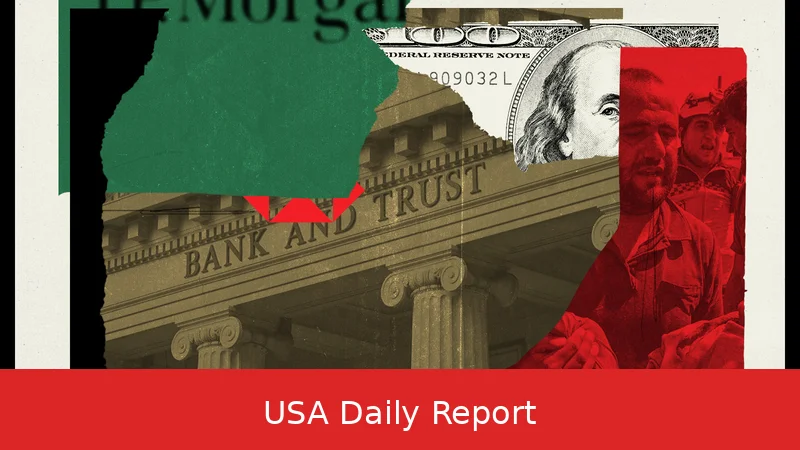
America's biggest bank, JPMorgan Chase, kept moving huge sums of dirty money for alleged criminals and corrupt regimes. That's what secret government documents show. These records reveal a pattern of global banks defying U.S. Crackdowns, continuing to profit from shadowy figures even after facing fines and promising to clean up their acts.
The FinCEN Files Blow the Lid Off
More than 2,100 secret U.S. Government documents, known as the FinCEN Files, have pulled back the curtain on how major financial institutions handled suspicious transactions. These files are suspicious activity reports (SARs) that banks filed with the U.S. Department of Treasury’s Financial Crimes Enforcement Network, or FinCEN. It's an intelligence unit designed to fight money laundering.
But the reports also show something stark.
Five huge global banks — JPMorgan, HSBC, Standard Chartered Bank, Deutsche Bank, and Bank of New York Mellon — kept on making money from powerful and dangerous players. This happened even after U.S. Authorities had already fined them for not stopping the flow of dirty cash. Thing is, U.S. Agencies don't often prosecute these megabanks for breaking money laundering laws. And the actions they do take barely make a dent in the flood of stolen money washing through the world's financial system.
JPMorgan's Deep Ties to Dubious Deals
JPMorgan Chase, the biggest bank in the United States, stands out in these documents. It moved money for people and companies linked to massive public fund looting in places like Malaysia, Venezuela, and Ukraine. For instance, the bank moved over $1 billion for the fugitive financier tied to Malaysia’s infamous 1MDB scandal. That's a big number.
And it wasn't just that.
JPMorgan also processed more than $2 million for a young energy mogul's company. This company has faced accusations of cheating Venezuela’s government and even helping cause electrical blackouts that crippled large parts of the country. Plus, the bank handled over $50 million in payments across a decade for Paul Manafort, who once managed President Donald Trump’s campaign. At least $6.9 million of Manafort's transactions got shuttled by JPMorgan in the 14 months after he resigned from the campaign. This was amid a swirl of money laundering and corruption allegations. Those allegations came from his work with a pro-Russian political party in Ukraine.
Promises Broken, Money Still Flowing
Here's where it gets interesting. Tainted transactions kept surging through accounts at JPMorgan. This happened despite the bank's own promises to make its money laundering controls better. The bank had made those promises as part of settlements it reached with U.S. Authorities in 2011, 2013, and 2014. So, they knew there was a problem.
In some cases, the banks kept moving illicit funds even after U.S. Officials warned them. The message was clear: stop doing business with mobsters, fraudsters, or corrupt regimes, or face criminal prosecutions. But it seems the warnings didn't always stick. HSBC, Standard Chartered Bank, Deutsche Bank, and Bank of New York Mellon also continued to wave through suspect payments, even with similar promises to government authorities.
The Regulatory Conundrum
The documents paint a clear picture of a system that's not quite working. Regulators are supposed to be the watchdogs, but they often struggle to bite. The sheer volume of suspicious activity reports — more than 2,100 in the FinCEN Files alone — shows just how much potentially illicit money is moving around. Still, the enforcement actions against megabanks seem to rarely match the scale of the problem. Penalties might be big, but they don't seem to stop the behavior.
JPMorgan, when asked about these revelations, stated it couldn't discuss clients or transactions due to legal prohibitions. But it also claimed it's taken a
The revelations from the FinCEN Files underscore a major challenge for global finance: stopping dirty money from flowing through the world's biggest banks. Whether new crackdowns will truly change this pattern remains a critical question for regulators and the public alike.