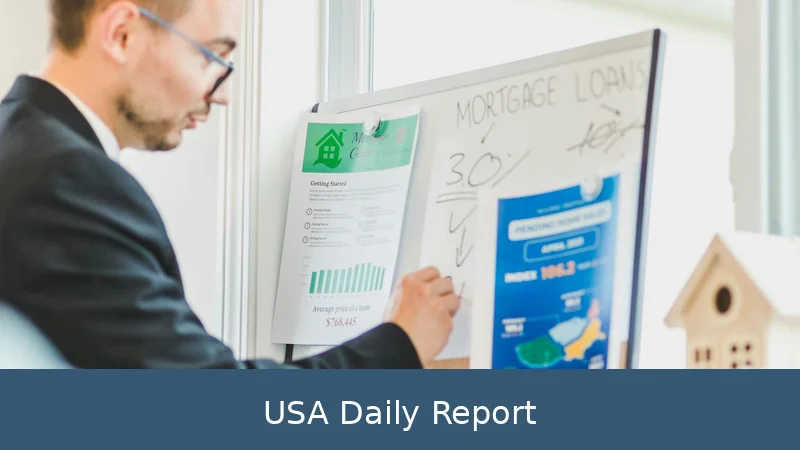
Mortgage rates in the U.S. Have ticked up again, reaching 6.22% for a 30-year fixed loan—the highest level in more than three months. This jump puts extra pressure on homebuyers just as the spring buying season gets underway.
Mortgage Rates on the Rise
The average rate for a 30-year fixed mortgage rose to 6.22% this week, up from 6.11% last week, according to data from Freddie Mac. That’s a notable increase after rates briefly dipped below 6% just three weeks ago—the first time since late 2022. Still, the current rate remains below last year’s average of 6.67%, though the upward trend is making it tougher for buyers to lock in affordable loans.
Even 15-year fixed mortgage rates edged higher, climbing to 5.54% from 5.5% the previous week. These loans are typically favored by homeowners aiming to refinance, but the rising borrowing costs could discourage refinancing activity and limit savings opportunities.
What’s Driving Rates Higher?
Mortgage rates generally move in sync with the yield on the 10-year U.S. Treasury note, a benchmark lenders use to set home loan prices. This yield has jumped recently, reaching 4.27%—up from about 4.13% a week ago. The bigger picture? Rising oil prices and geopolitical tensions are stirring inflation worries, pushing bond yields higher and nudging mortgage rates upward.
Last week, Brent crude oil briefly topped $119 per barrel before settling back around $108.65. The surge followed escalating conflict in the Middle East, particularly attacks targeting energy infrastructure. These events threaten to disrupt global oil supplies, stoking fears that inflation could climb further as energy costs rise.
Fed’s Interest Rate Policy and Inflation Concerns
The Federal Reserve doesn’t set mortgage rates directly, but its short-term interest rate decisions influence bond markets and, indirectly, mortgage pricing.
At its most recent meeting, the Fed chose to hold rates steady instead of cutting them, citing uncertainty around the economy and inflation amid geopolitical risks.
Fed Chair Jerome Powell emphasized that the central bank may keep rates steady for a while given the unpredictable outlook. Markets have since dialed back expectations for rate cuts this year, partly due to the inflationary pressures from higher oil prices. That’s reflected in the bond market’s higher yields and the upward creep in mortgage rates.
Housing Market Still Struggles Despite Lower Rates Than Last Year
Mortgage rate increases come at a tough time for the housing market, which has been sluggish since 2022 when rates started climbing from historic lows. Existing home sales have lingered around a 4 million annual pace since early 2023, well below the 5.2 million annual average seen over past decades.
Sales hit a 30-year low last year and haven’t bounced back yet, even though mortgage rates remain lower than they were a year ago. The market’s slow pace reflects buyers grappling with affordability challenges as borrowing costs rise and home prices remain elevated.
Data on pending home sales from February showed a mixed picture: a 1.8% monthly increase but a 0.8% drop compared to a year earlier. That suggests some buyers are still entering the market, but overall demand remains soft.
Looking Ahead
Energy price swings and geopolitical tensions could keep mortgage rates high or push them even higher. Higher borrowing costs mean many prospective buyers will need to adjust their budgets or delay purchases. For now, the housing market faces a balancing act between rate-driven affordability hurdles and underlying demand.
Will mortgage rates hold steady or climb higher as inflation concerns linger? The answer may hinge on how global events unfold and how the Fed responds over the next few months.
As mortgage rates hit 6.22%, homebuyers face increased costs just as the spring buying season begins. The housing market's future hinges on how oil prices, inflation, and the Fed's actions interact.