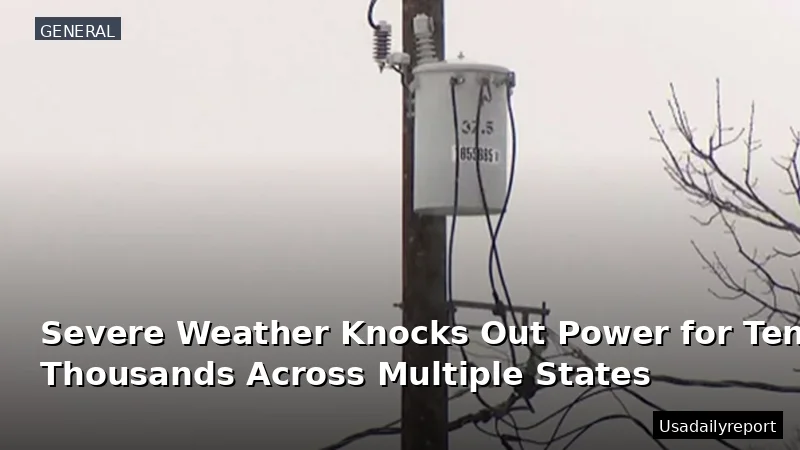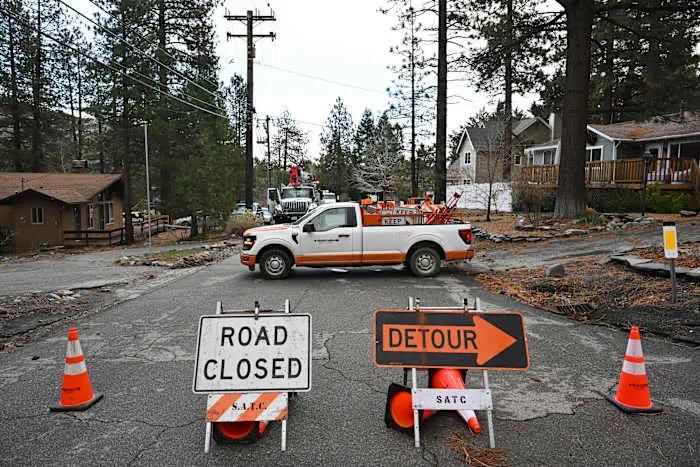
Power outages hit Florida and Texas recently, leaving thousands without electricity. It's a reminder that blackouts can happen anywhere and turn dangerous fast.
The Unpredictable Nature of Outages
Winter storms, summer heat waves, wildfires, or a car hitting a power line—there are lots of ways outages happen. But long outages during extreme heat or cold can turn deadly fast.
Getting ready for outages is how you stay safe when they hit. Michael Coe, vice president for physical and cybersecurity programs with the American Public Power Association, often references an old proverb: "An ounce of prevention is worth a pound of cure." That's why you need to prep before the power goes out.
Recent Disruptions in the Southeast
Florida residents in Clay, Putnam, and Alachua Counties recently lost power. Clay Electric reported outages affecting over 4,600 people on a recent Thursday afternoon. The worst hit was Middleburg, where 813 homes lost power when severe thunderstorms rolled through.
Viewers reported extreme winds and heavy rain as the culprit, coinciding with a severe thunderstorm warning that covered Clay, Duval, and St. Johns Counties. Crews worked to restore power, but thousands were suddenly stuck in the dark during a storm.
Texas Coastline Grapples with Blackouts
Texas's Coastal Bend saw major outages too. On May 6, 2025, more than 700 AEP Texas customers in areas like Corpus Christi, Flour Bluff, and Padre Island woke up to no power. Outages also hit southern regions, including Sinton, Kingsville, Duval County, Premont, and Calallen.
Crews jumped on it right away. By the afternoon of May 7, 2025, hundreds of those affected had their power restored. These outages show how fragile power grids are when weather hits hard, and how much work it takes to fix them.
Proactive Preparedness: A Lifeline
Your outage plan needs to fit your household, says Denise Everhart from the American Red Cross. Families with kids need different stuff than people with pets or medical equipment that needs power.
If anyone in your home needs power for medical equipment, tell your utility company right now. Most utilities have forms online, or you can just call. Backup batteries and other power sources can keep medical devices running during an outage.
Sometimes you just need to leave if staying home isn't safe. But if you're staying put, you need a solid emergency kit.
Building a Resilient Emergency Kit
A good emergency kit can save you during a blackout. Pack two weeks of non-perishable food, water, pet supplies, and any medicines you need. Keep a week's cash around—ATMs and card readers won't work without power.
You'll also need light. Flashlights, glow sticks, and battery lanterns beat candles. Grab backup phone batteries and chargers so you can stay in touch. Throw in blankets for winter or extra water for summer.
Write down phone numbers too—your phone might die. A solar or hand-crank radio keeps you getting emergency alerts even if cell towers go down.
Pick food that's nutritious, edible, and actually tastes okay. Peanut butter and jelly or canned food work well. But don't assume everyone will eat whatever you pack. "Is your 6-year-old really going to eat a cold can of chili?" she asked, emphasizing the need to consider family preferences.
Beyond the Kit: Water and Communication
Where you live and what your house is like changes how bad an outage hits. City folks with gas heat can still shower, but people with electric heat and well water might get one toilet flush before the water stops.
Fill your bathtub or buckets with water before the power goes out, says Matthew Gonzales from the Consumer Energy Alliance. That way you can keep flushing. Sign up for emergency alerts from your utility, police, and EMS too. You'll get alerts about boil water notices or evacuation orders so you can act fast.
AEP Texas and other utilities keep saying the same thing: being ready is your best defense.