Need help buying groceries in 2026? SNAP provides monthly benefits on an EBT card. But qualifying and applying takes a few clear steps. Here's what you need to know about SNAP eligibility, income limits, and the application process.
Quick Snapshot: SNAP in 2026
- Eligibility: Gross income up to 130% of federal poverty level (FPL); net income up to 100% FPL; assets under $2,750 (or $4,250 if 60+ or disabled).
- 2026 Income Limits (Monthly): 1 person ~$1,644; 2 people ~$2,220; 3 people ~$2,796; 4 people ~$3,372; 5 people ~$3,948; 6 people ~$4,524.
- Max Monthly Benefits: 1 person ~$292; 2 people ~$536; 3 people ~$768; 4 people ~$975; 5 people ~$1,150; 6 people ~$1,316.
- How to Apply: Online via your state SNAP website, in person at local offices, or by phone through designated hotlines.
- Interview & Verification: Phone or in-person interview required within 30 days of application; must provide proof of income, identity, residency, and expenses like rent or utilities.
- Eligible Purchases: Groceries including fruits, vegetables, meat, dairy, bread, cereals, seeds and plants to grow food.
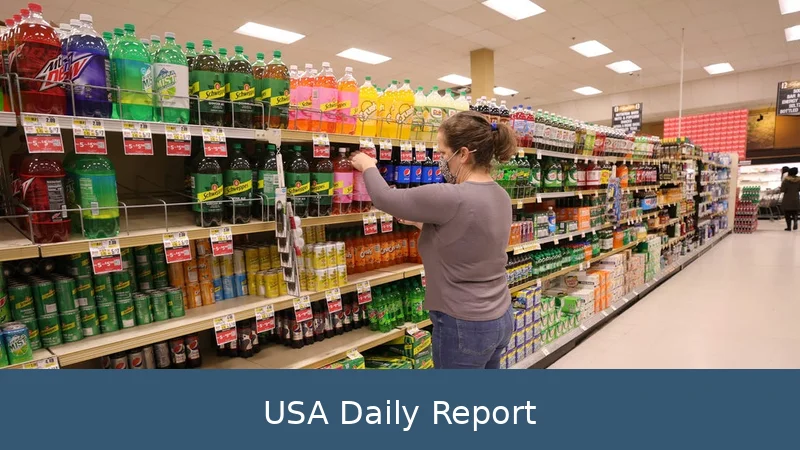
- Restrictions: Some states now limit buying soda, candy, energy drinks starting 2026 as part of new health initiatives.
- Work Requirements: Adults aged 18-49 without dependents must work at least 20 hours per week or participate in a qualifying job training program unless exempt due to disability, pregnancy, or caregiving.
- Recertification: Required every 6 to 12 months; some states may require interim reports depending on income changes.
What Is SNAP?
SNAP, or the Supplemental Nutrition Assistance Program, is a federal initiative managed by states that helps millions of low-income Americans afford nutritious food. Benefits are delivered monthly on an Electronic Benefits Transfer (EBT) card, which works like a debit card at over 250,000 participating grocery stores, farmers markets, and some online retailers nationwide.
As of early 2026, SNAP supports nearly 42 million people each month, including families with children, seniors, and individuals with disabilities. The program has been a vital safety net since its inception in 1964, reducing hunger and improving food security across the country.
Who Qualifies for SNAP in 2026?
To qualify, your household must meet specific financial, citizenship, and other eligibility criteria established by federal law and implemented by your state SNAP agency.
- Income Limits: Your household’s gross monthly income must be at or below 130% of the federal poverty level (FPL). This means total income before taxes and deductions. After certain deductions—like housing costs, child care, and medical expenses for elderly or disabled household members—your net income must be at or below 100% of FPL.
- Asset Limits: Households generally must have countable assets under $2,750. For seniors 60 and older or disabled individuals, the asset limit is higher, at $4,250. Some states have expanded or waived asset tests temporarily, so check your state’s SNAP website for updates.
- Citizenship: Applicants must be U.S. Citizens or meet specific immigrant eligibility rules. Some non-citizens, such as refugees, asylees, and certain lawful permanent residents, may qualify.
Here are the 2026 federal monthly gross income limits based on household size:
- 1 person: $1,644
- 2 people: $2,220
- 3 people: $2,796
- 4 people: $3,372
- 5 people: $3,948
- 6 people: $4,524
Keep in mind that income limits can vary by state, so it's best to check with your local SNAP office.
Step-by-Step Guide to Applying for SNAP in 2026
- Check Your Eligibility: Use the income and asset limits above to see if you qualify. Also consider household size, citizenship status, and work requirements. Many states offer online pre-screening tools for a quick assessment.
- Gather Required Documents: You’ll need proof of identity (driver’s license, state ID), residency (lease, utility bill), income (pay stubs, benefit letters), and expenses (rent, utilities, child care receipts). Also have Social Security numbers for all household members applying.
- Complete Your Application: Apply online through your state SNAP website — find it by searching “SNAP benefits” plus your state name (e.g., snap.ca.gov for California). You can also apply in person at your local SNAP office or by calling the state SNAP hotline. The application asks for household details, income, expenses, and more.
- Schedule and Attend Interview: After submitting your application, you’ll be contacted to schedule a phone or in-person interview within 30 days. This is your chance to verify information and answer any questions. Be prepared with your documents.
- Wait for Decision: The SNAP office must notify you of their decision within 30 days of application. If you have very low income and resources, expedited benefits may be available within 7 days.
- Receive Your EBT Card: If approved, you’ll get an Electronic Benefits Transfer card mailed to your address. Benefits are loaded monthly and can be used at approved stores for eligible food items.
- Recertify Your Benefits: SNAP benefits typically need to be recertified every 6 to 12 months. This usually involves submitting updated income and household information and may require another interview.
Tips for a Smooth SNAP Application
- Apply as soon as you think you might qualify — benefits can take up to 30 days, but there’s expedited assistance if you’re very low income.
- Keep copies of all documents submitted and notes from your interview.
- Use your state’s official SNAP website or contact your local SNAP office to avoid scams.
- If you have questions or issues, reach out to local community organizations that assist with SNAP applications — many offer free help.
- Report any income changes promptly to avoid overpayments or penalties.
Common Mistakes to Avoid
- Not providing all required documents — missing income proof or ID can delay your application.
- Failing to attend your scheduled interview — this can result in denial of benefits.
- Overlooking work requirements if you’re an able-bodied adult without dependents — this can affect eligibility.
- Ignoring recertification deadlines — letting your benefits lapse because you didn’t recertify on time.
- Trying to buy ineligible items with your EBT card — SNAP benefits can't be used for alcohol, tobacco, vitamins, or hot prepared foods in most cases.
SNAP food benefits can make a big difference in stretching your food budget in 2026. Knowing if you’re eligible, understanding income limits, and following the application steps will speed up your approval and get you the help you need faster.


