Defense lawyers across the country are fighting back against what they see as federal overreach—they've built tracking tools and are trying new team approaches to help their clients win cases.
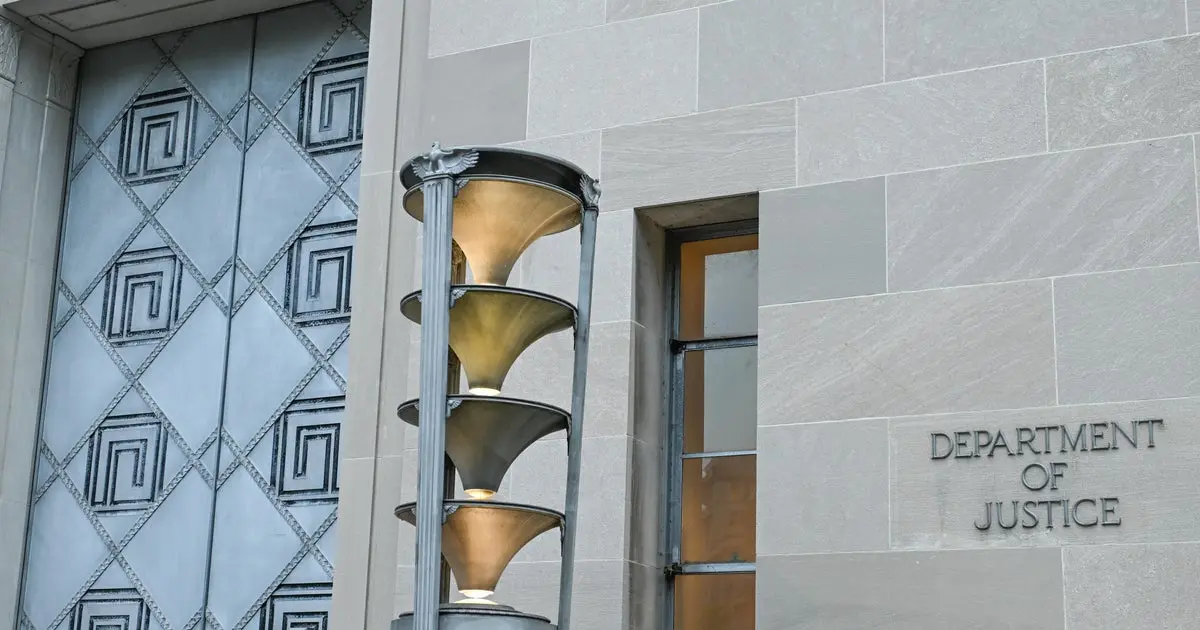
A national group of defense lawyers recently unveiled an interactive mapping tool designed to track what they call the “weaponization” of the Justice Department. The NACDL launched this tool because defense attorneys say the Trump administration weaponized the Justice Department to go after political enemies.
Anyone can use the tool to see cases where the Justice Department's prosecutions failed or looked suspicious. It specifically focuses on cases from the hypothetical first year of a potential Trump second term. Volunteer lawyers built the tool to show cases where grand juries said no to the Justice Department's attempts to indict Trump critics, Democratic officials, and protesters.
Tracking Federal Prosecutions
One notable case featured on the tracker is the so-called “sandwich thrower” incident. A Washington, D.C., grand jury in 2025 reportedly rejected a Trump administration attempt to criminally indict a man who threw a sandwich at a federal agent. The tool also documents cases of alleged “weaponized forum shopping,” where the Justice Department convened grand juries in multiple cities—Alexandria, Richmond, and Norfolk—while attempting to secure an indictment against New York Attorney General Letitia James in Virginia.
Steven Salky, a D.C. attorney running the project, said the weird prosecutions were so out of line that the public needed to know about them. He believes the tool will assist defense lawyers, particularly federal defenders, in handling their cases. NACDL President Andrew Birrell said the Bill of Rights wasn't written to be ignored—it's supposed to protect people from government abuse.
Birrell noted a “righteous rejection” of using criminal law for political retribution in courtrooms across the country. He explained that jurors are recognizing “novel” and “transparently thin theories,” reminding the government that the people, not prosecutors, hold the ultimate power in the justice system. The NACDL’s web database provides a state-by-state visual breakdown of tracked cases and emerging enforcement trends. Lawyers can search by what the defendant allegedly did, which court handled it, and how it turned out.
Innovative Local Defense Strategies
While national groups watch what the feds are doing, local law firms are changing how they defend clients. In Covington, Louisiana, James and Bradley Law Firm ditched the solo-attorney model and built a team to fight criminal, DWI, and drug cases. Mark James II and Michael Bradley founded the firm on a simple idea: one lawyer can't do it all.
They pair experienced lawyers with paralegals, investigators, and specialist attorneys to build stronger cases. They prepare every case like it's going to trial, even if they're negotiating a plea. The strategy has worked—they've gotten charges dismissed, sentences cut, and good plea deals for clients across four parishes.
Their results speak for themselves: clients who faced 5 to 60 years in prison walked away with probation. They've gotten domestic violence, drug dealing, and gun charges dismissed or knocked down to lesser crimes. One client was looking at 10 to 20 years for a serious crime involving a kid—the firm got it reduced and got him probation instead. Another guy arrested for his third DWI got the charge knocked down to a first offense with probation and community service.
The team has paralegals, an investigator, and a bunch of specialist attorneys on call—including federal experts and a retired judge. With that much firepower, they catch things other firms miss and exploit the prosecution's weak spots.
The Fearless Advocate
Whether they're fighting the feds or defending someone locally, the best defense lawyers share one thing: they're not afraid to take on prosecutors. Some attorneys, like Steven Waterkotte, have built reputations for standing up to prosecutors no matter how powerful they are. That matters when someone's freedom is at stake.
It takes guts to stand up to aggressive prosecutors, dig into every detail, and make a strong case. Good defense work keeps the Constitution alive and makes sure people actually get a fair shot. From the NACDL's tracking tool to local law firms building better teams, defense lawyers are proving they're essential to keeping the justice system honest.
The NACDL's new tool, providing state-by-state visual breakdowns and filtering capabilities, aims to give defense attorneys critical access to information on emerging enforcement trends and controversial cases nationwide.