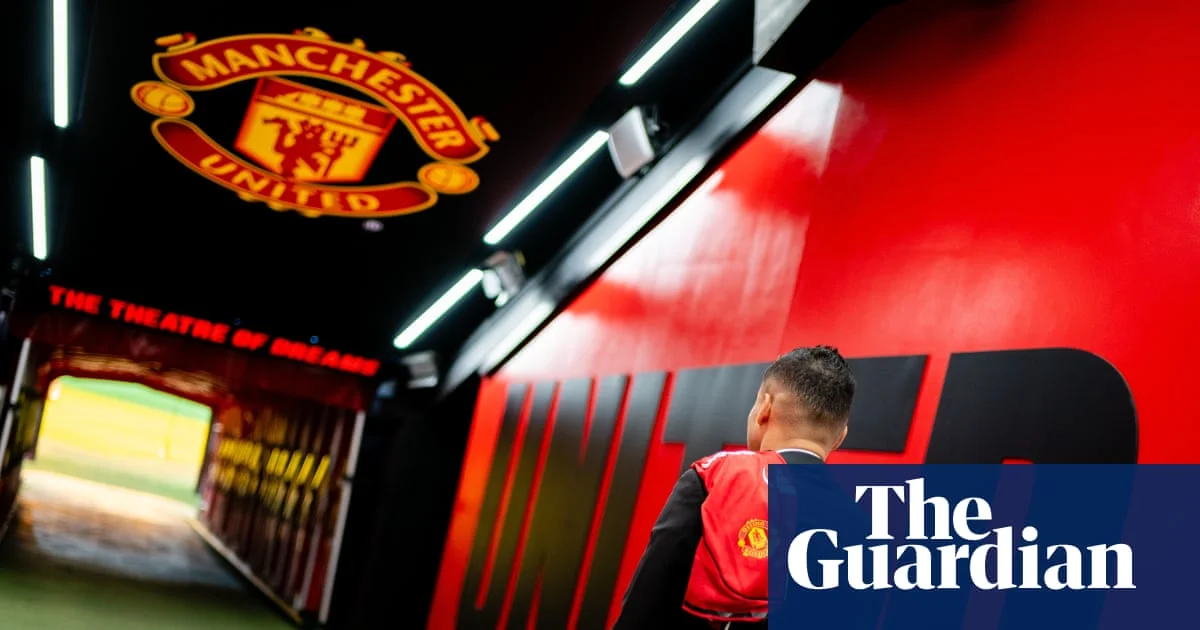
Manchester United midfielder Casemiro will leave the club when his contract expires this summer, as United management has opted against triggering a one-year extension, signaling a strategic shift towards a younger, more sustainable squad.
End of an Era at Old Trafford
Yet United's letting him go anyway, which shows they're serious about rebuilding for the long haul. The club wants to overhaul midfield and cut the wage bill—essential for staying compliant with financial rules. Casemiro, one of the club's highest earners, commands a weekly salary reportedly around £350,000 to £430,000, a figure that significantly impacts the club's compliance with Premier League Profit and Sustainability Rules (PSR), formerly known as Financial Fair Play. His departure is expected to free up substantial funds, estimated at over £20 million annually in wages alone, crucial for the club's summer transfer strategy. It's part of a wider shift across European football: clubs now balance spending with results.
The reported targets — Brighton's Carlos Baleba, Nottingham Forest's Elliot Anderson, and Crystal Palace's Adam Wharton (if not already moved) — exemplify this new direction. They're young—mostly 19 to 22—with room to grow, athletic, and cheap on wages, which fits United's plan for a squad that can press hard and adapt. That's the opposite of what United used to do: sign aging stars on massive contracts they couldn't shift.
Casemiro, who will turn 34 next month, reportedly wanted his exit announced this month to aid in securing his next career move. He arrived at Old Trafford from Real Madrid in August 2022 for a hefty £70 million transfer fee, a move widely perceived as a statement of intent, and perhaps a 'panic buy' to steady a floundering midfield. United signed him to add grit and know-how—he'd won five Champions Leagues at Madrid. During his tenure, the defensive midfielder played 76 times for United, scoring 12 goals across all competitions. He also contributed significantly to two trophy triumphs, securing the Carabao Cup in 2023, where he netted the opening goal in the final against Newcastle, a victory that ended a six-year trophy drought for the club, and an FA Cup winner's medal in the subsequent season. At first he transformed things, bringing a winner's edge and defensive stability the team desperately needed.
A Recent Revival Amidst Departure Plans
The announcement of Casemiro's impending exit arrives as he's experiencing a significant upturn in form, arguably his best since joining United. In a recent dramatic 4-3 FA Cup win against Fulham, he was instrumental, heading in the opening goal and delivering a commanding performance in midfield. He's positioning better, tackling sharper, and controlling the ball more—which quiets doubts about whether he's lost a step or gets exposed on the break. His recent run of games has seen him contribute crucial goals and assists, demonstrating his enduring quality and leadership qualities, even as the team around him has struggled for consistency. It's bittersweet for fans: his best form shows exactly what they're losing, but it also proves he's still got it.
The Strategic Vision Under New Ownership
The shift ties directly to changes in who owns United. Ratcliffe's INEOS took a 27.7% stake and runs football operations now, and they've got a clear mandate: rebuild for the long term. That means ditching the old 'Galactico' approach—big fees for aging superstars on crazy wages—and instead developing youth, buying players they can resell, and building a squad that plays the same way. Hiring Omar Berrada as CEO and bringing in a new sporting director signals a complete overhaul of how United recruits and runs football. They're hunting for athletic, technically sound players who can press high—and they want a clear route from the academy to the first team. So Casemiro leaving isn't just about him or his age—it's the foundation for resetting how United buys players and pays wages going forward.
He's leaving two trophies and a fighting spirit in his final season—he bridged a rough patch—but his exit marks the start of a new, tighter era at Old Trafford.