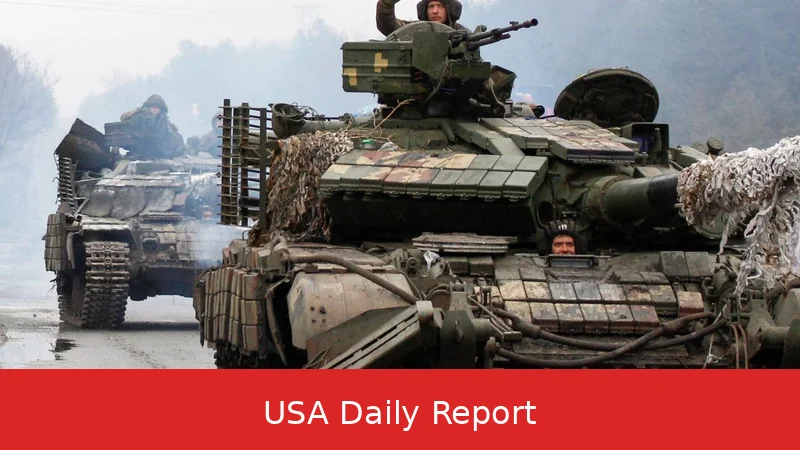
Gas prices are through the roof. Inflation is at a four-decade high. And a major conflict rages in Eastern Europe, sending ripples across the globe. It's enough to make anyone nervous about their money. But for investors wondering how to navigate these turbulent times, one expert says the best move might be no move at all.
Stocks Can Take a Hit – But They're Resilient
The current global unrest, sparked by the Russia-Ukraine crisis, has investors on edge. You see it in the daily headlines. You feel it at the pump. Still, history shows the stock market can actually hold its own during major conflicts. Will Steiner, who heads Literacy at the investment app EarlyBird, says portfolios heavy in stocks tend to be pretty resilient.
It's an interesting take. He points to past wars—World War II, the Korean War, Vietnam, and the Gulf Wars. During those periods, large-cap stocks, on average, delivered an 11.4% return. That's a strong track record, suggesting that even with geopolitical shocks, the market finds a way to move forward.
But that doesn't mean there won't be bumps. The NASDAQ 100, which has a lot of tech companies, is down 20% just this year. That's a big drop. What it shows is that specific sectors can get hit hard, even if the overall market eventually recovers.
The Ripple Effect: Europe vs. US
Americans are definitely feeling the pinch. We're seeing changes at the gas station and in grocery aisles.
Supply chains are still tangled, making some goods harder to find and more expensive.
That said, Steiner believes the economic fallout from the war will hit Europe harder than the U.S. Europe's closer to the conflict, for one. Plus, many European economies, especially Germany, rely heavily on Russian gas. Any disruption there sends a major shockwave through their system. For the U.S., while there's an impact, it's more about price hikes and logistical snags than a fundamental threat to energy supply in the same way.
Diversify, Diversify, Diversify
If there's one key takeaway from all this turmoil, it's the importance of diversification. Putting all your eggs in one basket is never a good idea, and crises like these really drive that point home.
Look at the NASDAQ 100's performance. It's down big. But an equal-weighted S&P ETF fund, like RSP, is only down 7.5% year-to-date. That's a huge difference. What it means is that spreading your money across different companies and sectors can protect you when one area struggles.
So, for a long-term strategy, Steiner suggests looking at more traditional assets. Think gold. Think Exchange Traded Funds (ETFs) that track broader markets or specific sectors like commodities. These can offer a cushion compared to placing all your bets on hyped-up investments, like some of the tech stocks that saw massive gains during the pandemic but are now seeing big corrections.
Beating Inflation: Short-Term & Long-Term Plays
Inflation is a stealthy wealth killer. It means your money buys less and less over time. Right now, it's the highest it's been since the early 1980s, and that's a real problem for everyday Americans.
Short term: the advice is simple: have an emergency fund. You want three to six months' worth of expenses readily accessible. This cash cushion is for unexpected events – a job loss, a medical emergency, a car repair. It keeps you from having to sell investments at a loss if life throws you a curveball. And use cash to cover your day-to-day expenses. It helps you track spending and avoid accumulating debt during high-cost periods.
Longer term, you need to understand your cash needs. Any money you don't need for immediate expenses or your emergency fund shouldn't just sit in a regular savings account. Those accounts often pay very little interest, so inflation eats away at your purchasing power. Instead, that excess money should be working for you – either invested or used to pay down high-interest debt.
Don't Panic: A Portfolio Strategy
When markets get volatile, the instinct to panic sell can be strong. Everyone sees their portfolio value drop and thinks, 'I need to get out!' But almost always, Steiner says, the best thing you can do is nothing at all. Sticking to your plan is key.
If you have an investment strategy in place, stay with it. Don't let emotion drive your decisions. If you don't have a strategy? Well, now's as good a time as any to get one set up. It means figuring out your goals, your risk tolerance, and how you'll allocate your assets.
And here's another thing: market downturns can actually be opportunities. When the market is down, you're buying assets at a lower price. It's like a sale. For long-term investors, buying low can mean bigger returns later on. Unexpected volatility is just part of investing. You can't avoid it. But you can prepare for it, and even use it to your advantage.
Sure, the world feels a little wild, the message from this expert is clear: stay diversified, keep an emergency fund, and resist the urge to panic. That strategy, he suggests, is your best bet for riding out the storm.