Israeli Prime Minister Benjamin Netanyahu is navigating a significant political test, rebranding the current conflict as a "War of Redemption" that began on October 7, 2023, and positioning it as a pivotal confrontation with Iran.
The 'War of Redemption' Narrative
Netanyahu's efforts to redefine the ongoing hostilities reflect a strategic shift in how Israel views the current period. Neri Zilber, a journalist based in Tel Aviv and a policy advisor to the Israel Policy Forum, a US-Israeli think tank, observed this rebranding. He noted that in Netanyahu's view, the "War of Redemption" commenced with the devastating attacks of October 7, 2023.
This designation carries profound implications. It suggests a conflict of deep historical and national significance for Israel, extending beyond immediate security responses. The term "redemption" in an Israeli context often evokes themes of return, liberation, and the overcoming of existential threats, resonating deeply within parts of the Israeli populace. It also aims to mobilize public sentiment and justify extensive military actions, portraying them as essential for national survival and future security.
Such a narrative attempts to provide a compelling, overarching purpose to the military campaign. It elevates the conflict from a localized engagement to a broader struggle that could fundamentally reshape Israel's security landscape. By framing it this way, Netanyahu seeks to rally support around a long-term vision for Israel's defense posture.
Iran: The 'Big War'
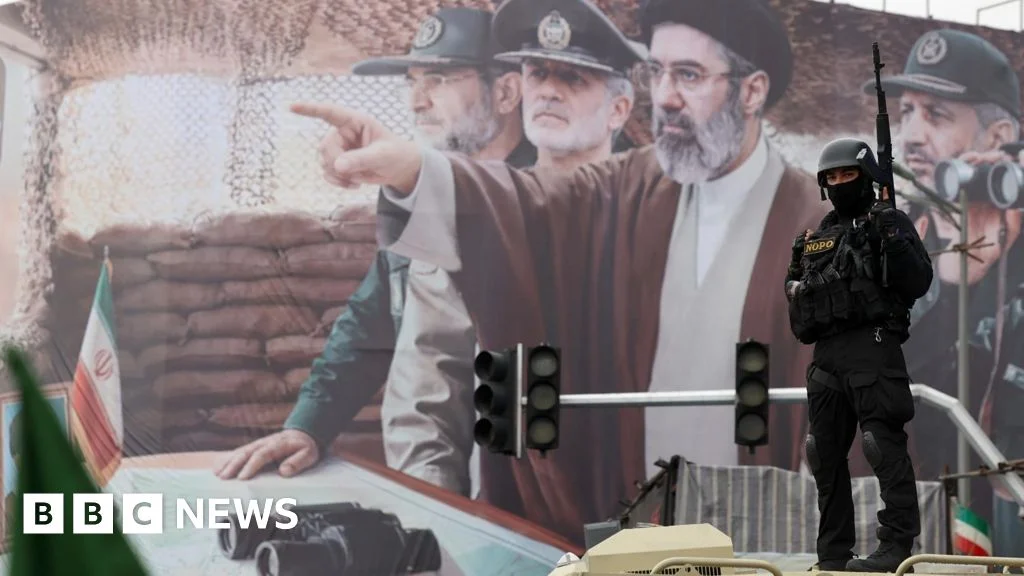
Zilber indicates that Netanyahu sees this as "the big war against Iran," even if it isn't the final one. This perspective elevates the long-standing shadow conflict between Israel and Iran into a more direct and defining confrontation. For decades, Israel has viewed Iran as its primary strategic threat in the region.
This assessment stems from Iran's nuclear program, its consistent support for proxy groups like Hamas and Hezbollah, and its broader regional hegemonic ambitions. The events of October 7, 2023, which saw Hamas launch a devastating attack from Gaza, reinforced Israel's belief in Iran's direct or indirect involvement in destabilizing the region. Netanyahu's government has consistently advocated for a tougher stance against Tehran, seeing it as the orchestrator behind various threats.
This "big war" framing suggests a strategic shift, potentially moving from containment to a more assertive posture aimed at fundamentally altering Iran's regional influence. It signals a readiness to confront Iran more directly, rather than solely through proxies or covert operations. Such a move would mark a significant escalation in the decades-long rivalry between the two nations.
Fading Hopes and Political Test
Prime Minister Netanyahu faces a significant political test, especially "as hopes of regime change in Iran fade." For years, a segment of Israeli and Western policy circles harbored hopes that internal dissent or external pressure could lead to a change in Iran's leadership. The dimming of these hopes means Israel cannot rely on internal Iranian dynamics to neutralize the threat. Instead, it must confront the existing regime directly, intensifying the strategic challenge.
Domestically, Netanyahu's leadership has been under intense scrutiny, even before October 7. The failure to prevent the initial attack, the conduct of the ongoing war, and the unresolved hostage crisis have all contributed to public dissatisfaction. Calls for accountability and new elections have grown louder, putting immense pressure on his coalition government. His ability to navigate this complex period, manage the military campaign, and articulate a coherent long-term strategy will define his political legacy and immediate future.
The "War of Redemption" narrative could be seen as an attempt to consolidate support and project strong leadership in a time of profound national crisis. It seeks to unite a fractured public around a common, existential cause. But the fading prospect of internal change in Iran forces Israel to consider more direct and potentially riskier strategies, adding another layer of complexity to Netanyahu's political calculations.
Regional and International Repercussions
This redefinition of the conflict carries significant regional and international repercussions. Labeling it a "big war against Iran" could escalate tensions across the entire Middle East, potentially drawing in other regional and global powers. Neighboring countries, already wary of a wider conflict, closely monitor Israel's rhetoric and actions. The stability of the entire region hangs in the balance as Israel considers its next moves against Iran.
Internationally, Israel's allies, particularly the United States, grapple with the implications of such an expansive definition of the conflict. Washington has consistently sought to prevent a broader regional war while supporting Israel's security needs. An open declaration of a "big war" against Iran could complicate diplomatic efforts and alliances, forcing difficult choices for international partners.
The narrative also influences global perceptions of the conflict, shaping diplomatic efforts and international pressure on all parties involved. It places Israel's actions within a grander strategic framework, potentially justifying prolonged engagement and more aggressive measures against perceived Iranian proxies. The global community watches closely to see how this framing translates into concrete policy and military actions.
Related Articles
- Chicago Braces for Extreme Heat as Southwest Faces Record-Breaking Temperatures
- Titans Release Cornerback L'Jarius Sneed, Freeing Up Significant Cap Space
- Major Shifts in Disability Benefits and Veterans' Evaluations Reshape Federal Support Systems
The Prime Minister's framing of the current hostilities as a "War of Redemption" against Iran signals a deeply entrenched and long-term strategic outlook for Israel, one that will continue to shape its domestic politics and foreign policy in the months ahead.