Pakistan won the toss and elected to bowl first against Bangladesh in the third and final One Day International in Dhaka on Sunday, with the series tied 1-1 and rain clouds gathering over the Sher-e-Bangla National Cricket Stadium.
High Stakes in Dhaka Amidst Weather Worries
The winner of today's match will claim the series trophy, adding significant pressure to both sides. This three-match contest has already seen dramatic swings, with Bangladesh dominating the first ODI before Pakistan mounted a strong comeback in the second game.
But the weather could play a spoiler. Forecasters predict rain later in the day, a factor likely influencing Pakistan captain Shaheen Afridi's decision to bowl first. Chasing a revised target in a rain-affected game can be tricky, often favoring the team batting second if the Duckworth-Lewis-Stern (DLS) method comes into play.
Pakistan's Resurgence Fueled by Youth
Pakistan entered the decider with significant momentum, having secured a convincing victory in the second ODI. That win was a critical response after they suffered a heavy defeat in the opening match of the series, demonstrating their ability to bounce back under pressure.
Much of Pakistan's resurgence can be attributed to the performance of 20-year-old all-rounder Maaz Sadaqat, who starred in their previous triumph. His impactful contribution highlighted the team's depth and the immediate influence of fresh talent. Captain Shaheen Afridi has been instrumental in guiding the team through the series' fluctuations, proving his leadership mettle in a high-stakes environment.
Bangladesh Grapples with Batting Woes and Controversy
Bangladesh, under the leadership of captain Mehidy Hasan Miraz, faces significant internal challenges, primarily stemming from its top-order batting. Miraz openly admitted his team's shortcomings in the second ODI, observing that they "didn't execute well" during the crucial first 10 overs. This failure, he explained, led to them conceding "many runs" early in the innings. He didn't shy away from crediting Pakistan for their aggressive and effective batting performance in that initial powerplay.
"Our top-order batsmen didn't get runs," Miraz stated bluntly, highlighting a persistent "problem" for the team, especially considering the pitch was "a very good wicket to bat on." This suggests a failure of application rather than difficult conditions. The pressure now mounts on Bangladesh's top order to deliver a strong start in the deciding match.
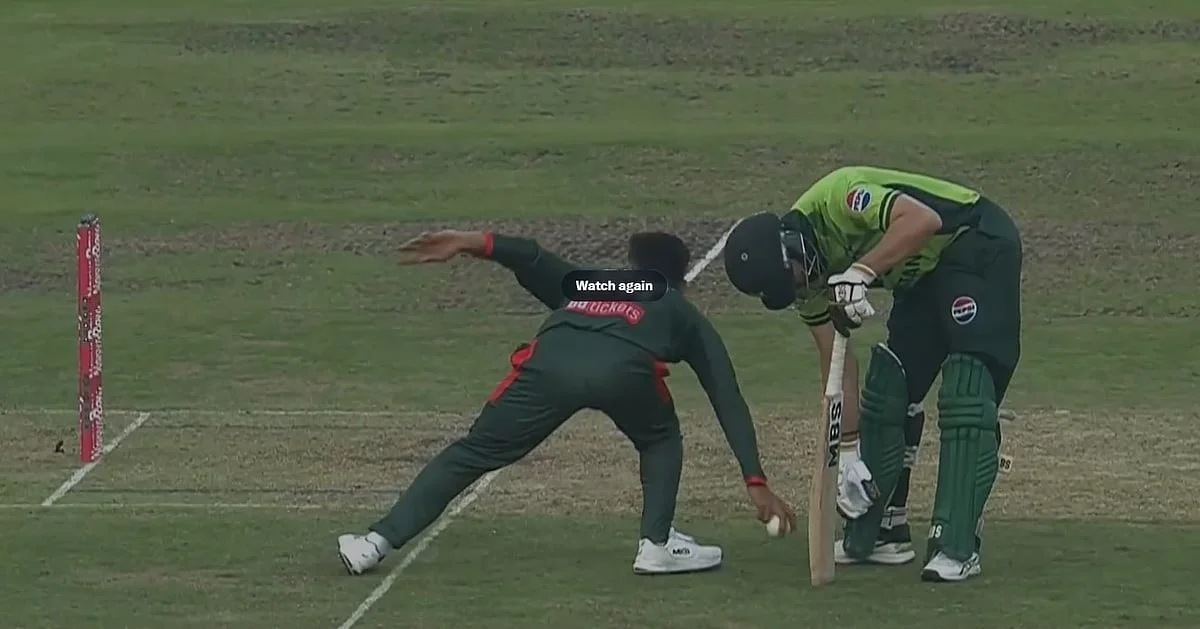
And it's not just batting that has put Bangladesh in the spotlight. The team was also embroiled in a "Spirit of Cricket" debate during the second ODI, stemming from the controversial run-out of Pakistan's Salman Agha. Agha, who was playing a pivotal innings, scoring 64 runs off 62 balls, reacted with visible anger. He was "livid" after the appeal and even exchanged heated words with Miraz on the field. The incident raised questions about sportsmanship; while the dismissal was technically within the rules of the game, some argued it went against the unwritten code of fair play, igniting discussions across the cricketing world.
Captain Miraz Calls for Batting Responsibility Amidst Scrutiny
Facing both the batting struggles and the fallout from the run-out, Captain Miraz made a clear call for improvement, especially from his batsmen. He acknowledged the strong performance of his bowling unit, stating, "We bowled really well, and we are great comeback." This indicates confidence in his bowlers, including paceman Nahid Rana, who will be crucial for Bangladesh's attack in the decider.
But the emphasis for the final match remains squarely on the bat. "We have to focus on our batting unit," Miraz insisted, stressing the need for individual players to step up. "You have to take responsibility as well because, you know, if you're not getting runs, definitely we are not in good positions." His comments underscore the understanding that strong bowling alone won't secure a series victory.
Addressing the contentious run-out, Miraz offered a concise justification, focusing on the letter of the law rather than the "spirit." "He's just away from the wickets," Miraz explained, referring to Agha's position. "I'm just looking for the ball. Yes, if you miss, definitely he's going for the run. So I'm just thinking about like that." His remarks suggest a pragmatic approach, prioritizing the opportunity for a dismissal when presented. This stance, however, didn't entirely quell the debate surrounding the incident.
As the coin toss went Pakistan's way, they chose to leverage the early conditions, setting the stage for a gripping conclusion to a series already rich with drama and debate.