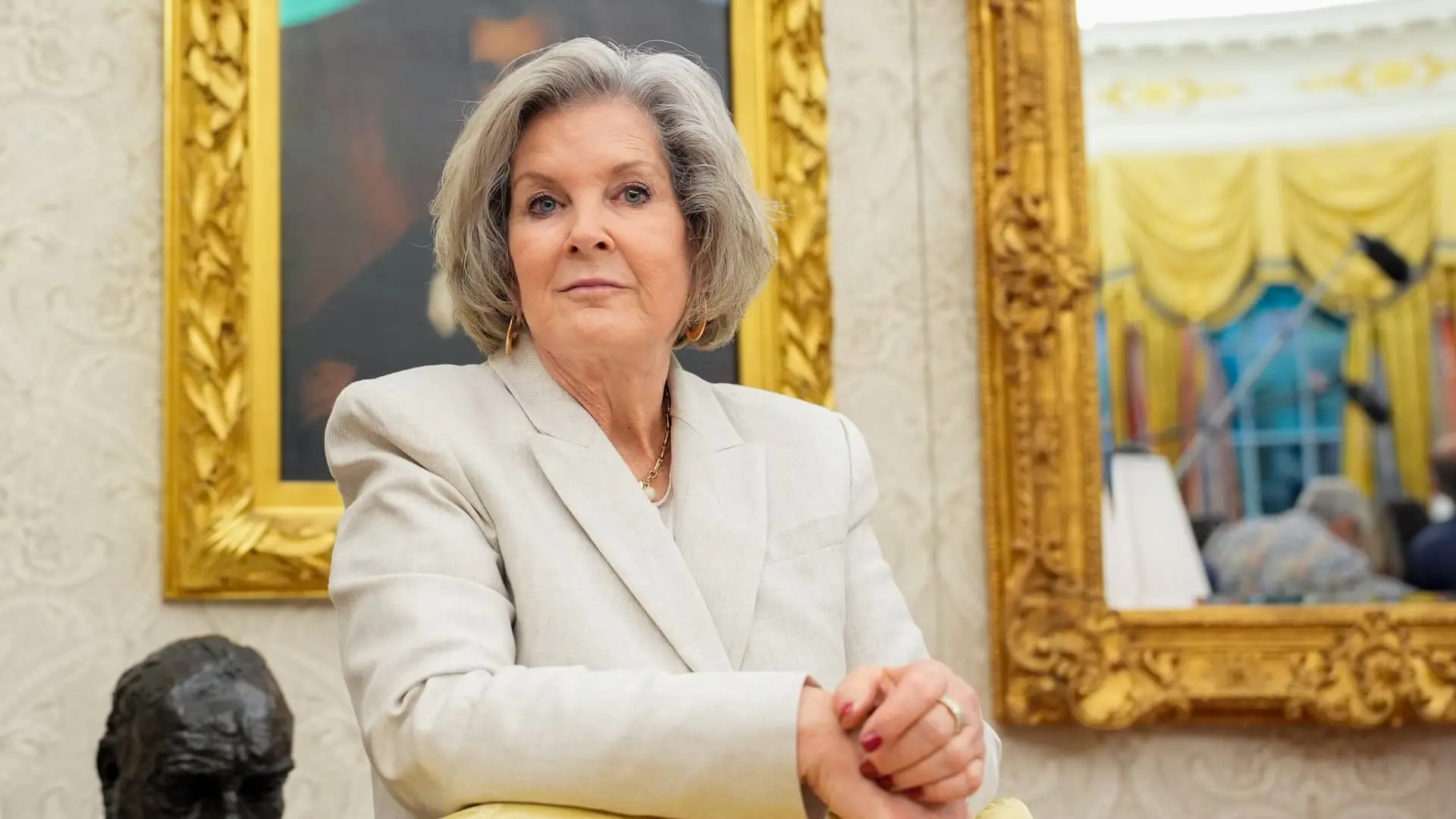
Susie Wiles, the White House chief of staff and a pivotal figure in President Donald Trump's political career, has been diagnosed with breast cancer, the president announced Monday.
President's Announcement and Wiles' Commitment
President Trump confirmed the diagnosis during a press briefing at Mar-a-Lago, expressing his full support for Wiles and praising her resilience. He stated that Wiles, 68, has 'the heart of a lion' and is 'committed to continuing her work' while undergoing treatment. The announcement puts Wiles's cancer diagnosis in the spotlight, raising questions about the pressure on top government officials. At 68, Wiles is in an age group with higher breast cancer risk, which is why early detection matters. Trump's statement suggests Wiles plans to keep working as chief of staff during treatment—a role that shapes how the White House operates.
Wiles' Extensive Political Career and Influence
Susie Wiles's diagnosis brings into focus her extraordinary and often behind-the-scenes career, which has spanned decades within Republican politics. Her association with Donald Trump dates back to his initial presidential campaign in 2016, where she served as his Florida campaign chair, playing a pivotal role in securing the crucial swing state. She proved herself valuable fast because she understood how politics actually works. She continued to serve in key advisory roles during his presidency and was instrumental in his 2020 re-election bid. Post-presidency, Wiles remained a central figure, helping establish Trump's political operations and eventually being tapped for the formidable role of White House Chief of Staff in a potential second administration. Wiles has built a reputation as someone who gets things done and can handle difficult people in politics. She's respected for more than just campaigns—she can bring Republicans together and keep them in line. If she steps back, even briefly, Trump's team will feel her absence because he trusts her and she knows how things work.
Implications for the White House and the Political Landscape
Wiles's cancer diagnosis raises obvious questions about whether the White House can keep running smoothly. The chief of staff controls who sees the president, manages his schedule, and pushes policy forward—it's one of the most powerful jobs in government. Wiles says she'll keep working, but cancer treatment is brutal and can drain your energy and concentration. She might need to cut back on work, which could mean other staff members take on more. And in an election year, any sign of instability in the White House becomes a political weapon. Political watchers will be looking to see if the White House can handle this without losing focus on its agenda. This situation shows how hard it is for powerful people to deal with serious health problems while staying in the spotlight.
Breast Cancer: Statistics, Awareness, and Public Figures
Breast cancer is one of the most common cancers in women, and Wiles's diagnosis is a reminder of how widespread it is. According to the American Cancer Society, about 1 in 8 women in the U.S. will develop invasive breast cancer over the course of her lifetime. Age, genetics, and lifestyle all play a role—and the risk jumps after 50. Early screening with mammograms makes a huge difference in survival rates. When famous people talk publicly about cancer, it helps other people get screened and removes the shame around it. From Betty Ford's mastectomy in the 1970s, which spurred a national conversation, to Nancy Reagan and Barbara Bush, and more recently, Supreme Court Justice Ruth Bader Ginsburg, these disclosures often lead to increased public engagement with health screenings and support for research. Wiles's diagnosis might push other women—especially those with high-pressure jobs—to get checked out. Doctors say cancer treatment is tough, but modern medicine has made it much more survivable and less destructive than it used to be.
The White House did not immediately respond to requests for additional information regarding Wiles's specific treatment plan, prognosis, or an anticipated timeline for any potential adjustments to her demanding schedule. Wiles's colleagues and allies are rallying around her, which shows how much she matters to Trump and the Republican party. This is a reminder that even the toughest political operators are human and face real health crises that go beyond their jobs. Further updates are expected as Wiles and her medical team determine the best course of action.