Oil prices have jumped nearly 50% since late February, rattling global markets and forcing central banks from Washington to Tokyo to reLook at their inflation outlooks. The surge comes as conflict between the U.S. And Iran disrupts vital energy supplies, pushing policymakers toward more hawkish stances.
Dollar Slides as Central Banks Signal Rate Hikes
The dollar has weakened sharply in recent weeks, slipping from multi-month highs as investors brace for tighter monetary policy outside the United States. While the Federal Reserve has kept interest rates steady for now, other major central banks are preparing to raise rates to combat inflation pressures sparked by the energy shock.
The euro has gained over 1.4% this week, trading around $1.1569, while the British pound and Japanese yen have also strengthened against the greenback. The Australian dollar climbed to nearly 71 cents, buoyed by the Reserve Bank of Australia's recent rate hikes.
European Central Bank and Bank of England Ready to Act
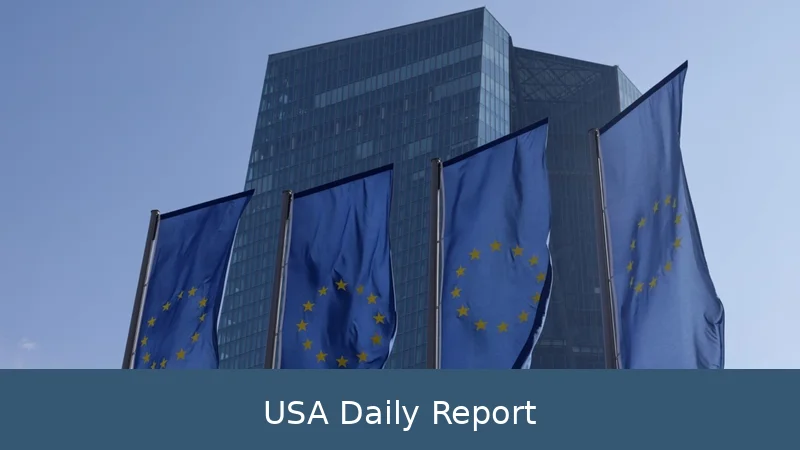
The European Central Bank (ECB) held rates steady at 2% but warned of mounting inflation due to soaring energy costs. Sources say policymakers are likely to debate rate increases as soon as next month. Investors no longer expect the ECB to pause for long, pricing in a hike by June.
Across the Channel, the Bank of England echoed this hawkish tone. While holding rates steady for now, the BoE signaled readiness to raise borrowing costs, triggering one of the steepest sell-offs in short-term British government bonds in recent memory. Markets have priced in about 80 basis points of hikes by year-end.
Fed Faces Complex Trade-Offs Amid Uncertainty
The Federal Reserve finds itself in a tough spot. Before the conflict escalated, markets anticipated two rate cuts this year. Now, even a single cut seems unlikely. The Fed’s dual mandate — balancing inflation control and employment — faces conflicting pressures as energy prices surge and labor market signals waver.
Economists from Bloomberg Economics pointed out that the Fed’s next moves will hinge on how the conflict unfolds. A quick resolution could allow inflation to cool and give the Fed room to reduce rates. But if higher energy prices persist, inflation expectations could rise, complicating policy decisions.
Asia and Australia Join the Hawkish Chorus
The Bank of Japan surprised markets by leaving open the possibility of a rate hike in April, a notable shift after years of ultra-loose policy. The move helped lift the yen, which had been under pressure amid expectations of continued easing.
Meanwhile, the Reserve Bank of Australia raised rates for the second time in as many months, signaling that more increases are likely. Energy price shocks combined with supply chain disruptions have pushed inflation higher down under, forcing the RBA’s hand.
Economic Data and Market Reactions
Crude oil prices, benchmarked by Brent futures, have surged about 50% since the conflict began, largely due to disrupted Middle East energy exports. While prices dipped slightly recently, the overall trend remains upward, keeping inflationary pressures front and center.
Markets are also watching upcoming U.S. Economic data closely.
The February producer price index will probably show slower wholesale cost increases compared to January. Industrial production and housing data will also factor into central banks’ assessments.
Policy decisions from the Group of Seven economies and other major currency jurisdictions in the coming week are expected to reveal how deeply the inflation shock is influencing monetary strategies worldwide.
As the Middle East conflict drags on, central banks face a delicate balancing act. The risk of prolonged high energy costs threatens to push inflation higher, forcing policymakers to act swiftly or risk losing control of price stability. How aggressively they respond will shape the global economy in the months ahead.