Duke Energy is bracing for significant power outages across the Carolinas as a severe weather system, bringing damaging high winds and potential tornadic activity, moves through the region this Monday. A fast-moving storm system could knock out power across the Carolinas, affecting millions of people and businesses.
Storm Threatens Power Grid
Utility crews expect widespread power outages that could affect hundreds of thousands—maybe millions—of people. The impending storm's strong wind gusts, forecast to reach speeds of 60-70 miles per hour in some areas – equivalent to a strong tropical storm – are expected to fell trees and snap power lines, creating hazardous conditions and extensive damage to the power infrastructure. Heavy rain has soaked the ground, so trees will come down more easily in the wind, making outages worse.
Rick Canavan, a storm director for Duke Energy, emphasized the company's readiness. He noted that line and tree crews are prepared to respond quickly and safely to restore service once outages begin. They're staging crews and equipment across the region to respond faster, especially in areas that always get hit hard.
Duke Energy's Preparedness and Past Experiences
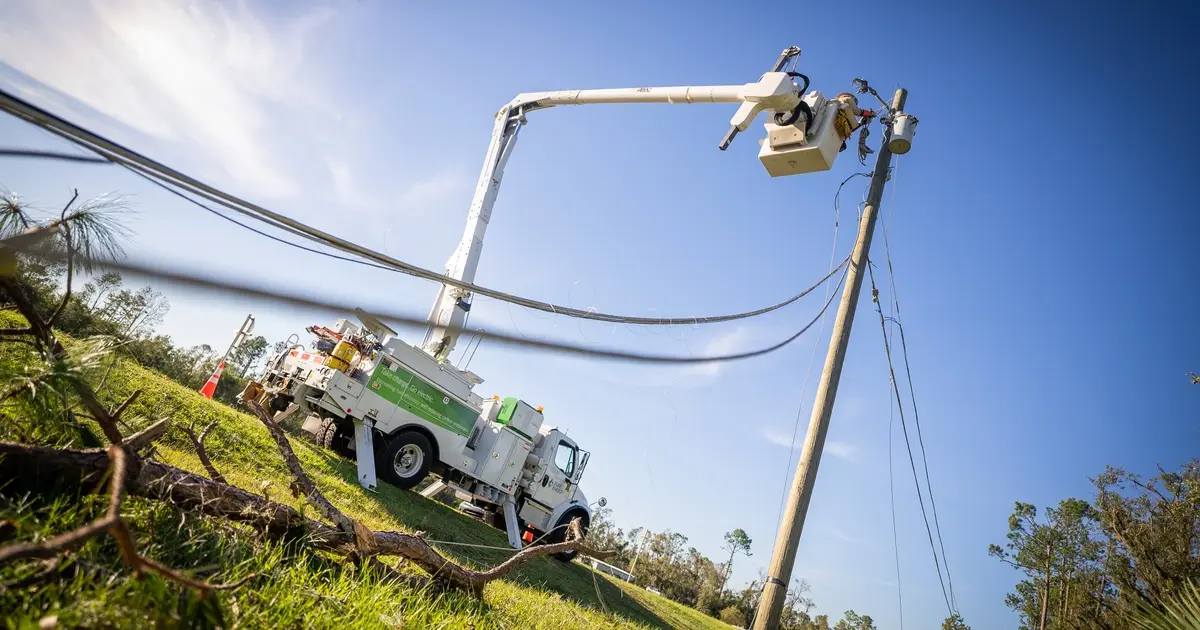
Duke Energy, which serves approximately 4.3 million electric customers in North Carolina and 780,000 in South Carolina, has activated its comprehensive emergency response plan. This involves mobilizing over 7,000 personnel, including internal crews, contractors, and mutual aid partners from neighboring states and regions, a testament to the scale of the anticipated disruption. The crews have trucks, tools, and supplies to replace broken poles and string new lines across hundreds of miles.
The utility's preparedness is heavily informed by historical events. Major storms like Hurricane Florence in 2018, which caused over 1.7 million outages across the Carolinas, and the devastating ice storm of 2014, which left hundreds of thousands without power for days, have provided invaluable lessons. Duke's learned from past storms and now buries power lines in risky areas, trims trees better, and uses smart technology that automatically reroutes power when something breaks.
But nature's still more powerful than any technology Duke Energy has. Duke will assess damage fast, fix hospitals and emergency services first, then restore power to the biggest customer groups.
Customer Impact and Safety Recommendations
Widespread outages aren't just annoying—they're serious. Businesses lose money when food spoils and workers can't do their jobs. For residential customers, it can mean a lack of heating or air conditioning, compromised food safety, and the inability to charge essential communication devices. Elderly people and those who need power for medical equipment are in real danger.
Duke Energy urges all customers to take proactive safety measures before, during, and after the storm. Essential recommendations include charging all cell phones and electronic devices, having a battery-powered radio, flashlights with fresh batteries, and an emergency kit stocked with non-perishable food, water, and any necessary medications. If you use a generator, keep it outside—never inside—or you'll get carbon monoxide poisoning. Most crucially, residents are warned to never touch or approach a downed power line, as it should always be assumed to be energized and extremely dangerous.
Customers can report outages and receive real-time updates through the Duke Energy mobile app, text alerts, or the company's online outage map. Check Duke's app and website for real updates so you know what's happening.
Duke is watching the weather and wants you to pay attention as the storm moves through. Duke will work fast and safe, but you need to prepare too—that's how we all stay safe.