
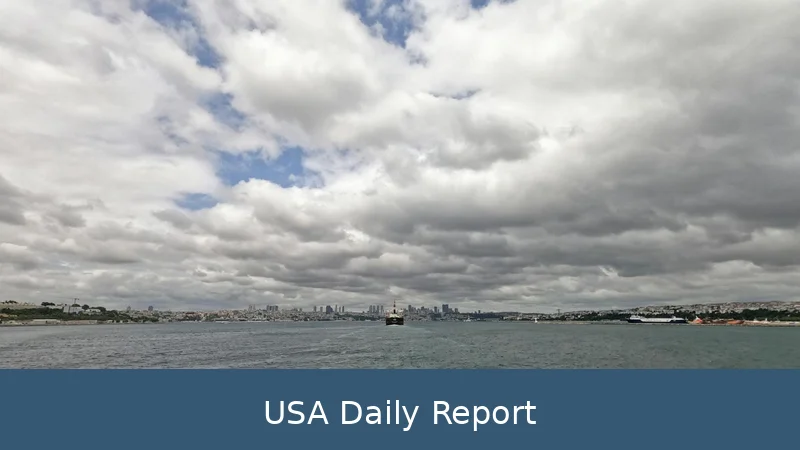
The Strait of Hormuz remains a flashpoint as Iran digs in its heels, refusing to discuss reopening the vital waterway despite mounting military and diplomatic pressure from the U.S. The standoff risks disrupting global oil flows and rattling markets already on edge.
Standoff Near Strait of Hormuz Intensifies
Iran’s refusal to engage in talks over the Strait of Hormuz comes as the country faces what it describes as a "US-Israeli onslaught." The strait is a crucial artery for global oil shipments, and any disruption there sends shockwaves through energy markets worldwide. According to a report from Bloomberg citing a high-level Iranian official, Tehran is focused on survival rather than negotiations, signaling a hardline stance that could extend the conflict.
Military tensions are simmering. Early next week could see a tense confrontation between U.S. Naval forces and Iranian troops near the strait. President Donald Trump has said there are no plans to deploy ground troops, but analysts suggest Marines may be tasked with seizing Kharg Island to pressure Iran into reopening the strait. Yet the complexity of the region’s geography and Iran’s extensive coastline complicate any effort to secure shipping lanes without boots on the ground.
Economic Ripples and Market Reactions
Crude oil prices have responded sharply to the escalating crisis. May West Texas Intermediate (WTI) crude slid to $92.47 a barrel earlier but rebounded by over $5 amid fears that the conflict could drag beyond Trump’s initially predicted four to five weeks. The Strait of Hormuz is a gateway for nearly a fifth of the world’s oil, and Iran’s control gives it a strategic lever in the ongoing power play.
Stock markets have felt the pressure too. The S&P 500 slipped about 0.8%, reflecting investor jitters over potential supply chain disruptions and the broader geopolitical risk. This uncertainty over the conflict’s duration and scope keeps markets on edge, with traders wary of further escalation.

Diplomatic Deadlock Over Missile and Nuclear Programs
In Geneva, U.S. And Iranian officials resumed talks aimed at curbing Tehran’s nuclear ambitions. The U.S. Delegation, led by envoy Steve Witkoff and Jared Kushner, pushed Iran to halt uranium enrichment and discuss its ballistic missile program.
Iran’s foreign minister Abbas Araghchi headed the Iranian side but maintained Iran’s missile development as "non-negotiable," refusing to include it in the talks.
U.S. Secretary of State Marco Rubio called Iran’s missile program “a big, big problem,” warning that Tehran’s missile ranges are growing exponentially and potentially threaten the continental United States. President Trump echoed these concerns, alleging Iran is working on rockets capable of reaching U.S. Soil, though he didn't provide evidence. The missile issue compounds the nuclear dispute, making progress difficult.
Intelligence Gaps and Strategic Missteps
Recent public exchanges have exposed cracks in U.S. Intelligence assessments. Former presidential candidate Tulsi Gabbard questioned why President Trump appeared surprised by Iran’s retaliatory strikes in the Gulf despite ongoing briefings. The Pentagon reportedly underestimated the impact of an Iranian blockade on the Strait of Hormuz, a scenario U.S. National security policy has long considered a major risk.
These intelligence gaps raise questions about the administration’s preparedness and strategic approach. If the U.S. Underestimated Iran’s capabilities and intentions, the consequences could extend beyond the immediate crisis to broader regional stability and global energy security.
Meanwhile, Iran has signaled a willingness to discuss a truce, but only if it receives guarantees against further attacks. With trust eroding and the U.S. And Israel pressing hard, that possibility seems increasingly remote.
Related Articles
- UAE Leaves OPEC — Saudi Arabia Picks Up the Slack
- Fed signals patience, projects one cut in 2026
- Three risks that could push the Fed to pause
Iran’s steadfast refusal to negotiate on the Strait of Hormuz, combined with its missile program’s opacity and growing military tensions, keeps the region on a knife’s edge. Markets may brace for prolonged volatility as the standoff shows no sign of resolution.
This article was created with AI assistance.


