
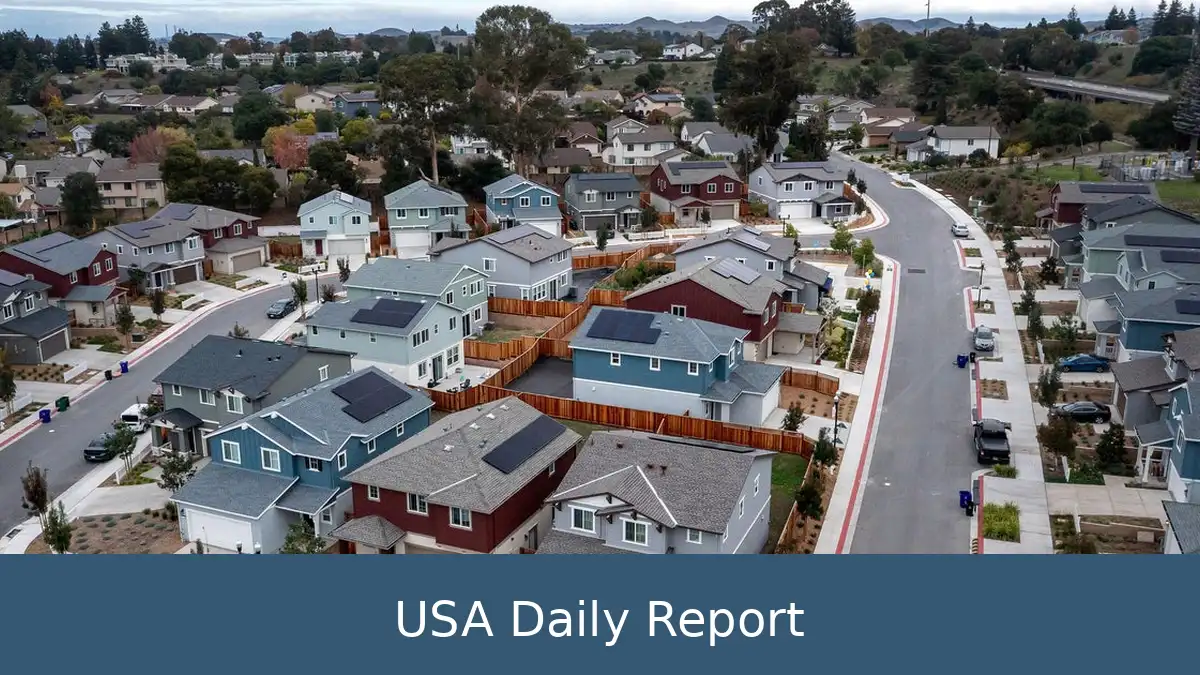
House prices in the US are set to inch higher in 2026, with most experts predicting a 2% to 4% increase. The median home price is hovering around $410,000, up from $390,000 in 2024. Mortgage rates remain elevated but may ease slightly, impacting affordability and monthly payments for buyers.
Key Figures for US Housing Market 2026
- Median US home price: approximately $410,000 (2025 data from the National Association of Realtors)
- Median home price in 2024: approximately $390,000
- Forecasted price growth for 2026: between 2% and 4%
- 30-year fixed mortgage rates: expected between 6.5% and 7% in early 2026, potentially dropping to around 6% by year-end
- Monthly mortgage payment example: For a $400,000 home with 20% down ($80,000), at 6.5% interest, principal and interest payment is about $2,023; total monthly payment including taxes and insurance ranges from $2,800 to $3,200 depending on location
- Most expensive median home prices: San Francisco leads with $1.3 million, followed by San Jose, Los Angeles, New York City, Boston, and Seattle—all with median prices above $900,000
- Most affordable markets: Buffalo, Cleveland, Pittsburgh, Detroit, Memphis, and Indianapolis, with median home prices below $200,000
- Average age of first-time homebuyers: 36 years
- First-time buyer average down payment: 6%; Federal Housing Administration (FHA) minimum down payment requirement: 3.5%
- Housing inventory: Remains below pre-pandemic levels, limiting supply and supporting higher prices
- Mortgage rate forecast: Average 6.3% in 2026, slightly down from 6.6% in 2025, according to Realtor.com
- Existing home sales forecast for 2026: Realtor.com projects about 4.13 million sales, while Zillow forecasts around 4.3 million
- Homeownership rate: Held steady around 65% in 2025
- Average time on market: Homes are selling faster than pre-pandemic, averaging 28 days on market nationwide
2026 US House Price Forecast
Home prices across the US are expected to rise modestly in 2026, with most analysts predicting increases between 2% and 4%. The National Association of Realtors (NAR) reported the median home price at roughly $410,000 for 2025, up from around $390,000 in 2024. This steady climb shows the housing market’s resilience despite high mortgage rates and limited supply.
Still, not all cities will follow this trend. Realtor.com highlights that 22 of the largest 100 US cities may see price declines next year. These declines are expected mostly in cities across the Southeast and the West, where rapid price growth in recent years has made homes less affordable. Cities like Austin, Phoenix, and Tampa could see slight price drops ranging from 1% to 3%, according to regional forecasts.
Meanwhile, markets in the Midwest and Northeast are expected to experience more stable or modestly growing prices. For example, Cleveland and Pittsburgh are predicted to see price increases of 3% to 5%, benefiting from affordability and steady demand.
The overall national forecast remains positive, with the US housing market showing signs of balance between supply and demand.
Despite mortgage rates staying above 6%, demand remains steady, partly because inventory is still below pre-pandemic levels—around 1.2 million existing homes available compared to roughly 1.5 million before 2020. This tight supply keeps upward pressure on prices, even as some buyers step back due to affordability concerns.
Mortgage Rates and Monthly Payments
Mortgage rates remain a major factor shaping the 2026 housing market.
After climbing above 7% in late 2023 and early 2024, rates have hovered around 6.5% to 7% through mid-2025. Experts expect rates to gradually ease toward 6% by the end of 2026, driven by market shifts and Federal Reserve policies.
For buyers, this means monthly payments will stay relatively high compared to the past decade. For example, on a $400,000 home with a 20% down payment ($80,000), a 6.5% interest rate translates to about $2,023 per month in principal and interest. Add property taxes and insurance, and total monthly costs range from roughly $2,800 in lower-tax states to $3,200 in high-tax areas like New York or California.
First-time buyers face additional challenges. Their average down payment remains at about 6%, higher than the FHA's minimum of 3.5%, but still lower than the 20% typical for repeat buyers. This smaller down payment increases monthly mortgage costs and may require private mortgage insurance (PMI), adding $100 to $200 per month depending on loan size.
Despite these hurdles, mortgage applications have stabilized since early 2025, signaling that buyers are adjusting to the new rate environment. Refinances, however, remain low, as current rates make refinancing less attractive compared to previous years when rates were under 4%.
Regional Differences in Home Prices
Home prices vary widely across the US, with coastal cities continuing to top the charts.
San Francisco leads with a median price of $1.3 million, followed by San Jose at about $1.1 million, Los Angeles at $980,000, New York City around $950,000, Boston at $920,000, and Seattle close to $900,000. These markets have seen steady price growth over the past five years, driven by strong local economies and limited housing supply.
Conversely, the most affordable housing markets remain in the Midwest and parts of the South. Cities like Buffalo ($140,000 median price), Cleveland ($150,000), Pittsburgh ($160,000), Detroit ($170,000), Memphis ($180,000), and Indianapolis ($190,000) offer significantly lower entry points for buyers. These areas saw moderate price growth of 3% to 5% in 2024 and are expected to maintain steady increases in 2026.
Some regions are experiencing cooling markets. The Southeast, including cities like Miami and Tampa, saw rapid price gains through 2021 and 2022 but are now facing slower growth or slight declines. Tampa’s median home price peaked at $370,000 in 2024 and is forecasted to drop by about 2% in 2026 as affordability limits buyer demand.
Inventory levels also differ by region. The West Coast continues to have tight supply, with months of inventory below 2 in many metro areas, while Midwest markets tend to have 3 to 4 months of inventory, allowing for a more balanced market.
Housing Market Forecast and Trends
Looking ahead, the US housing market in 2026 will probably remain steady but cautious.
Price growth will likely continue in the 2% to 4% range nationally, with regional variations. Mortgage rates easing toward 6% will help some buyers but overall affordability challenges persist, especially for first-time buyers.
Existing home sales are projected to increase slightly, with Realtor.com estimating around 4.13 million transactions and Zillow forecasting 4.3 million. This compares with 3.9 million sales recorded in 2024, reflecting a modest recovery as buyers adjust to higher rates and limited supply.
New construction remains a key factor. Builders increased single-family home starts to approximately 1.2 million units in 2025, the highest since 2006, but ongoing labor and material costs could slow growth in 2026. More new homes could help ease supply shortages but won’t fully offset demand this year.
Demographic trends also play a role. The average age of first-time buyers holding steady at 36 years shows younger generations remain active in the market despite affordability hurdles. Household formation rates among millennials and Gen Z are expected to support steady housing demand through the mid-2020s.
Overall, the US housing market in 2026 looks balanced between persistent supply constraints and easing mortgage rates. While price gains slow compared to the boom years, the market isn’t facing a broad downturn. Instead, expect modest appreciation, steady sales, and ongoing regional shifts reflecting local economic conditions and affordability pressures.
The US housing market in 2026 looks steady, with modest price growth and mortgage rates hovering around 6.5%, possibly easing to 6%. Supply remains tight, keeping prices elevated, but a more balanced market is emerging with slight increases in sales and regional variation in price trends.


