The 2026 NCAA Men's Basketball Tournament bracket is officially out, setting the stage for 68 teams to embark on the annual single-elimination quest for a national championship, with powerhouse programs like Duke and Arizona leading the charge as No. 1 seeds.
Top Contenders and Elite Talent Lead the Field
The 2026 field is loaded with star power — top transfers and freshmen who could change everything. Duke, securing the No. 1 seed in the East Region, enters March Madness with an impressive 32-2 record and national championship odds of +300. Much of their success stems from freshman Cameron Boozer, a front-runner for National Player of the Year, who is on track to finish the 2025-26 season with the highest offensive rating in KenPom history. That kind of efficiency from a freshman is almost unheard of, and it shows how smart Boozer plays and how he scores without forcing things. Coach Jon Scheyer has also developed strong returning talent around his 6-foot-9 star, though the team faces challenges with guard Caleb Foster out for the season due to a fractured foot, and Patrick Ngongba II dealing with a foot injury, albeit hopeful for a return. Foster's absence particularly impacts Duke's perimeter defense and secondary ball-handling, placing added pressure on players like Isaiah Evans and Cayden Boozer to step up in crucial moments against elite competition. Duke's tournament success has always hinged on star freshmen, and Boozer looks ready to carry that torch.
Out West, the No. 1 seed Arizona also enters the tournament with a 32-2 record and +390 odds to win the national championship. The Wildcats started their season on a dominant run, winning their first 23 games. Arizona can absorb foul trouble because seven guys average 8.7+ points — they don't need to rely on any one player. Jaden Bradley, the Big 12 Player of the Year, leads this balanced attack with 13.4 points and 4.6 assists per game. Brayden Burries, an All-Big 12 first-team selection, also contributes significantly with 16.0 points per game, shooting 37 percent from beyond the arc. Freshman Koa Peat, a projected first-round NBA draft pick, has also been performing at a high level since returning from injury, averaging 13.8 points and 5.3 rebounds. Lloyd's defense is suffocating — top-5 in opponent FG% and defensive rebounding — and that's what makes Arizona dangerous. Lloyd built this fast, but Arizona keeps hitting a wall at the Sweet Sixteen, and that's the real test this year.
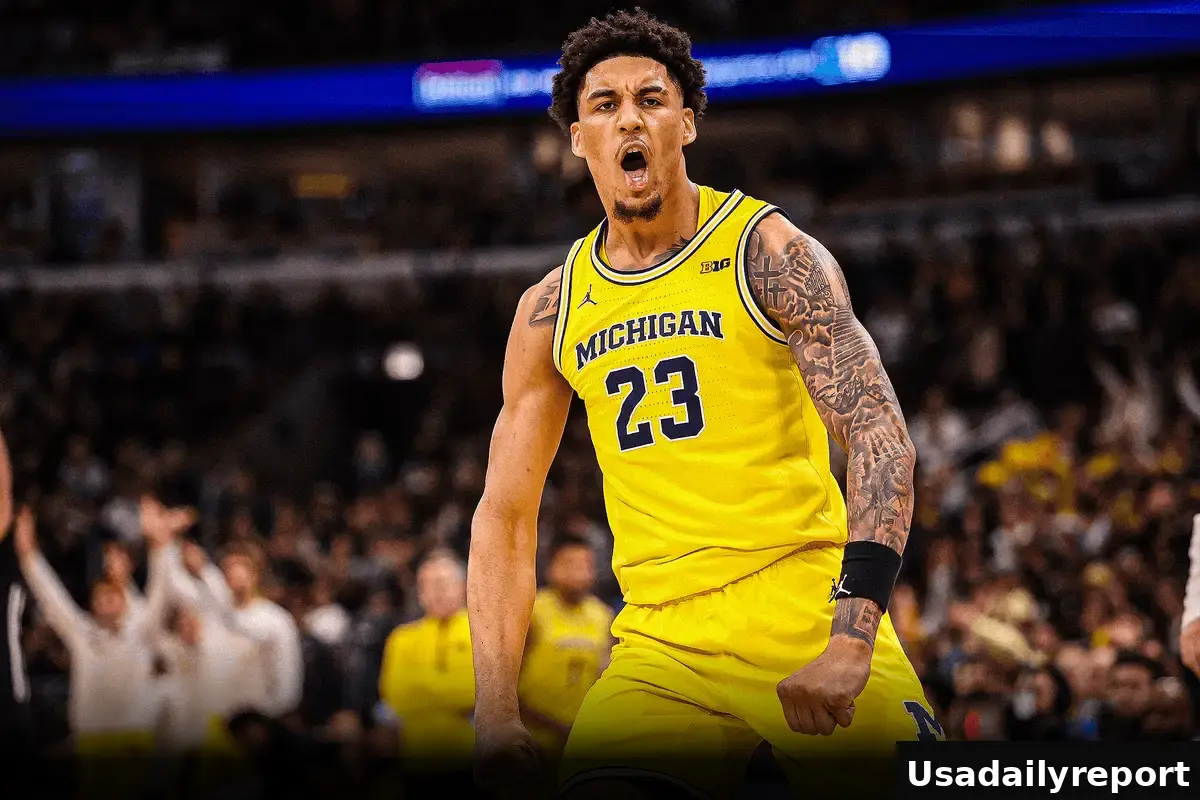
Beyond the top two, other formidable teams are also eyeing the championship. The Michigan Wolverines, a No. 2 seed in the Midwest Region, have quietly built a dominant season behind their suffocating defense and the versatile play of senior guard Jett Howard. Averaging 18.2 points and 5.1 assists, Howard's ability to create for himself and others makes Michigan a dangerous opponent. Their disciplined approach, under coach Juwan Howard, has seen them overcome early-season struggles to peak at the right time, entering the tournament on a 10-game winning streak.
The Evolving Landscape of College Hoops and Tournament Implications
This era of college basketball, significantly shaped by Name, Image, and Likeness (NIL) deals and the transfer portal, has redefined team construction and competitive balance. While traditional powerhouses like Duke and Arizona still attract top high school talent, the portal allows established players to seek new opportunities, leading to unprecedented roster turnover year-to-year. This creates a more dynamic, yet sometimes unpredictable, environment where experienced transfers can elevate mid-major programs or fill crucial gaps for contenders, blurring the lines of traditional power structures.
More player movement plus better coaching everywhere means the tournament feels more wide-open than it used to. No. 1 seeds usually win, but March Madness lives for Cinderella stories. The 2026 field is no exception, with several lower-seeded teams boasting experienced rosters fortified by transfers, making upsets a distinct possibility in the early rounds. The committee's seeding always gets debated, and this year's bracket has some matchups that could actually hurt the top seeds early. Everyone agrees chemistry matters most, and it's harder to build when rosters turn over this fast. Depth, defensive versatility, and three-point shooting win tournaments, especially when teams have to play every other day and adjust on the fly.
The tournament's opening weekend is set to deliver intense competition, as teams like Michigan, Duke, and Arizona vie for supremacy while underdogs from around the country attempt to write their own March Madness stories, all against the backdrop of a rapidly evolving collegiate athletic model.