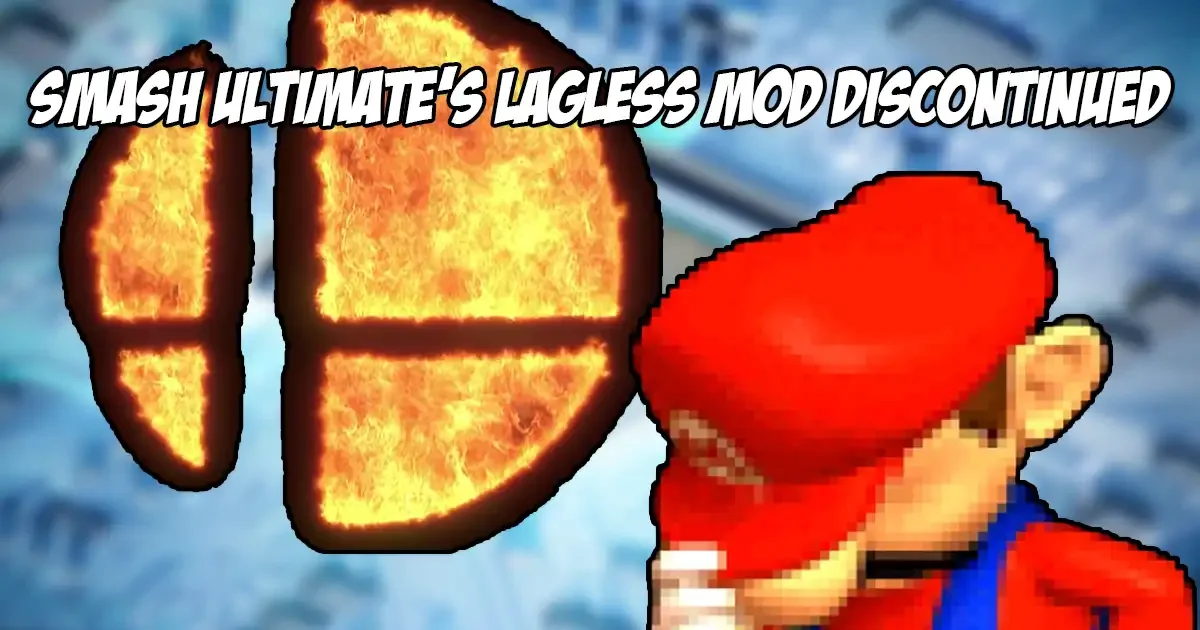
The Super Smash Bros. community is grappling with significant shifts, as a popular online lag reduction mod for *Super Smash Bros. Ultimate* faces discontinuation due to a developer's privacy concerns, while a decades-old installment receives a fresh update, and a political figure uses the game's imagery for a health campaign.
Latency Mod Discontinued After Personal Information Leak
A highly anticipated "Latency Mod" designed to drastically improve online play for *Super Smash Bros. Ultimate* has been abruptly discontinued and removed. The mod, created by developer Blujay, had garnered significant attention for offering a smoother online experience, something many players felt Nintendo and the game's development team hadn't fully delivered.
Blujay's mod, which allowed players to significantly reduce online lag on their Switch consoles, quickly became a point of contention. Some Japanese players reportedly expressed frustration and even jealousy, citing stricter local laws on console modding that made it harder for them to access the tool. They also threatened to report the mod to Nintendo, which could have led to a legal cease-and-desist.
But the mod's creators didn't halt development because of Nintendo's intervention or the competitive imbalance it created. Instead, the decision came after a bizarre and disturbing interaction with an unnamed individual. Blujay stated that someone opened an issue on the mod's GitHub repository, criticizing its use in Quickplay and Elite Smash, where it could give users an unfair advantage.
Initially, Blujay ignored the GitHub issue, dismissing it as standard online criticism. However, the situation escalated dramatically when the individual then posted what Blujay described as 'real-world personal information' related to the developer, along with a threat to leak even more data. This alarming breach of privacy, rather than any direct action from Nintendo or concerns over competitive integrity, was the sole catalyst for the mod's immediate removal and Blujay's decision to cease all related development.
The discontinuation marks a significant blow to a segment of the *Super Smash Bros. Ultimate* community that has long expressed frustration with the game's online infrastructure. Unlike many modern fighting games that utilize rollback netcode for smoother online experiences, *Ultimate* relies on a delay-based netcode. This system, while simpler to implement, often results in noticeable input lag and desynchronization, especially when players have differing connection speeds or geographical distances. Fans had hoped Blujay's mod, which reportedly reduced input latency by several frames, could offer a grassroots solution to a problem Nintendo has yet to fully address, despite consistent pleas from its competitive player base.
The incident also highlights the precarious position of mod developers, who often operate in a legal grey area. While Nintendo has historically taken a firm stance against unauthorized modifications to its current-generation consoles and games, citing intellectual property protection and fair play concerns, the threat of doxing and personal data leaks adds a dangerous new dimension. Cybersecurity experts often warn against the vulnerabilities associated with online development communities, where personal information can sometimes be inadvertently exposed or maliciously targeted. For many, Blujay's experience serves as a stark reminder of the potential risks faced by those attempting to innovate within the confines of proprietary gaming ecosystems.
Legacy Modding Thrives with Smash Remix Update
While the *Ultimate* modding scene faces challenges, an older installment continues to flourish through community-driven development. The beloved fan-made project, *Smash Remix*, which breathes new life into the original *Super Smash Bros.* for Nintendo 64, recently rolled out its highly anticipated 1.5.0 update. This extensive modification adds a wealth of content, including new playable characters like Dark Samus, Dry Bowser, and Waluigi, along with fresh stages such as Dracula's Castle and Paper Mario's Tattle Log. Beyond new fighters and arenas, the update introduces new game modes, enhanced AI, and numerous balance adjustments aimed at refining the gameplay of the 25-year-old classic.
The longevity and continued development of *Smash Remix* stand in stark contrast to the fate of the *Ultimate* latency mod. Projects like *Remix* often operate under a different implicit understanding within the gaming community and, to some extent, with IP holders. Modding older, discontinued games, especially those that enhance the original experience without directly competing with current products, tends to face less scrutiny. It preserves the legacy of a game while showcasing the creativity of its dedicated fanbase, creating a unique parallel universe for retro enthusiasts. This update further solidifies *Smash Remix*'s reputation as one of the most ambitious and successful fan projects in fighting game history.
Political Campaign Leverages Smash Imagery
Adding another layer of unexpected interaction between *Super Smash Bros.* and the real world, independent U.S. presidential candidate Robert F. Kennedy Jr. recently utilized imagery reminiscent of the game for a public health campaign. The campaign featured an illustration depicting a character styled after RFK Jr. alongside iconic *Smash Bros.* elements, including a character select screen and health bars, to promote a message about health and personal choice. While the campaign did not directly use official Nintendo assets, the visual parallels were unmistakable, drawing immediate attention and discussion within gaming circles and beyond.
This appropriation of *Smash Bros.* aesthetics is a testament to the game's pervasive cultural impact and its broad appeal across demographics. *Super Smash Bros.*, particularly *Ultimate*, has cemented its status as one of the most recognizable video game franchises globally, making its imagery a potent tool for reaching a wide audience. However, the use of popular intellectual property, even in an allusive manner, by political campaigns can be contentious. It raises questions about brand association and whether companies like Nintendo implicitly endorse or disavow such uses. While Nintendo has yet to issue a public statement regarding RFK Jr.'s campaign, the incident underscores the growing trend of political figures attempting to connect with younger voters and broader audiences through pop culture references.
These disparate events – a promising mod's sudden demise due to privacy threats, the vibrant continuation of a legacy fan project, and the unexpected foray of gaming aesthetics into political messaging – collectively paint a picture of a *Super Smash Bros.* universe that is constantly evolving and interacting with the world in multifaceted ways. From the technical challenges of online play to the enduring power of community creativity and the broad reach of its cultural footprint, the franchise remains a dynamic focal point for gamers, developers, and even politicians alike.