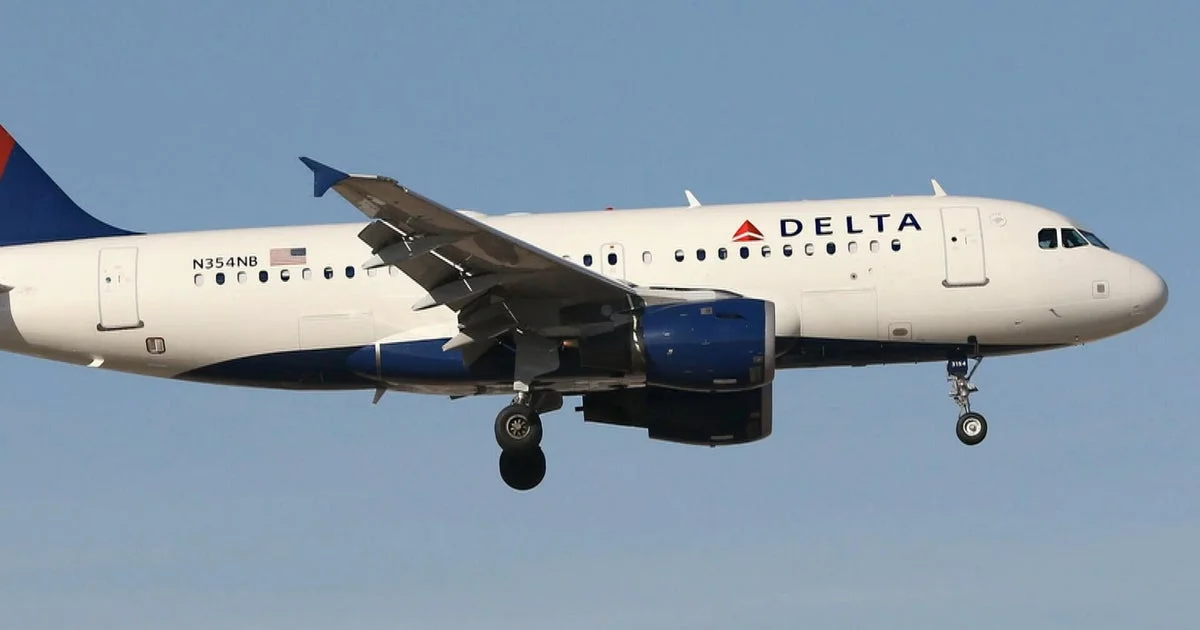
Delta Air Lines initiated extensive flight cancellations across its Midwest network, including hundreds of flights at its major Minneapolis-St. Paul (MSP) hub, this weekend as a powerful snowstorm and high winds bore down on the region.
Delta Acts Proactively Amid Winter Storm Threat
The airline announced Friday it was processing cancellations for flights scheduled Saturday and Sunday, March 14-15, citing safety concerns for both passengers and crew. Forecasters had predicted significant winter weather impacts throughout the region, prompting the airline to act proactively rather than waiting for conditions to deteriorate.
This strategic move, according to local travel expert Kyle Potter of Thrifty Traveler, represents "Delta's way of limiting disruptions and resetting once the weather clears." By making early cancellations, airlines aim to prevent a chaotic cascade of delays and cancellations that often plague airports during severe weather, allowing for a more managed recovery process.
Widespread Disruption at MSP and Beyond
MSP was hit hard. The airport filled with anxious travelers. FlightAware tracked 199 canceled departures and 190 canceled arrivals for Sunday at MSP. These figures underscored the sheer scale of the operational adjustments Delta was undertaking, effectively grounding a significant portion of its weekend schedule through its primary Midwest gateway.
Travelers at MSP on Friday experienced the ripple effects firsthand. Long lines snaked through terminals, extending from check-in counters to customer service desks, as many passengers glued to their flight apps, hoping for crucial updates. The digital screens around the airport, usually displaying a vibrant tapestry of departures and arrivals, began showing an increasing number of "canceled" notifications. Delta staff scrambled to rebook passengers whose flights got canceled.
While MSP, Delta's key Midwest hub, bore the brunt of the cancellations, the airline's operational adjustments extended far beyond the Twin Cities. Other affected airports included Brainerd, Duluth, Hibbing, and Rochester in Minnesota, all critical regional connectors. Cancellations also hit airports in Sioux Falls, South Dakota; Des Moines, Iowa; Madison, Wisconsin; Milwaukee, Wisconsin; and Green Bay, Wisconsin, along with several smaller communities across South Dakota, Iowa, Wisconsin, and Michigan. The storm hit the whole upper Midwest, disrupting flights across multiple states.
Rebooking and Recovery Efforts Underway
Delta let affected passengers rebook without penalties. Travelers whose flights were destined for, originating from, or connecting through affected airports were given the ability to adjust their plans to travel outside the severe weather window without penalty. The airline automatically rebooked passengers to the next available flight. Passengers got automatically rebooked but could still check their new flights.
For those with tickets specifically booked for travel on March 14 or 15, Delta implemented a generous waiver policy. The airline waived standard change fees, a common charge that can add significant cost to altered travel plans. Passengers could switch flights without extra charges if they booked by March 22. The March 22 deadline pushed people to rebook fast. Flights booked after March 22 could cost more. Passengers could cancel and get a credit good for a year.
By Sunday, March 15, weather improved and Delta started flying again from MSP. But it wasn't instant — Delta brought flights back slowly. Delta warned more cancellations could happen Monday. Flight teams faced the complex challenge of managing a "slowed start-up" amidst lingering strong winds, which could still affect safe takeoff and landing procedures, as well as ground operations. Getting planes flying again meant repositioning crews and handling baggage.
Delta told passengers to keep checking their flight status. The airline’s official app and website, delta.com, were highlighted as the most reliable and up-to-date resources for the latest information, including real-time updates on specific flight delays, cancellations, and gate changes. Delta emphasized that customers had direct access to the same comprehensive flight options available to reservation agents through these digital platforms, empowering them to manage their own travel plans effectively without needing to wait on hold for a representative.
Other Airlines Adjust Schedules
Delta wasn't the only carrier grappling with the severe weather system that blanketed the Midwest. Other major airlines also found themselves making significant adjustments to their flight schedules. Southwest Airlines, a prominent player at many of the affected airports, advised its customers of potential delays for flights to and from Minneapolis-St. Paul on both Saturday and Sunday. Understanding the need for passenger flexibility, Southwest offered several options. Travelers could choose to keep their existing reservations, rebook their travel to a different time, or opt to travel standby within two weeks of their original departure date. Crucially, all these options were available without incurring a change in airfare, providing relief from additional costs for disrupted plans.
Southwest officials also provided clarity on refunds, noting that travelers whose flights were ultimately canceled or experienced "significant" delays might be eligible for a full refund. This policy offered an important layer of financial protection beyond just rebooking options, acknowledging that some passengers might prefer to abandon their trip altogether rather than reschedule. Such policies are vital in maintaining customer trust during unforeseen weather events.
Sun Country Airlines, a Minnesota-based carrier with a significant presence at MSP, also implemented its own waiver for travelers. Those with tickets to or from MSP Airport, Milwaukee Mitchell International Airport, or Appleton International Airport in Wisconsin for Sunday flights could rebook at no additional cost. This waiver specifically applied to Sunday flights that had been originally booked before Thursday, March 12. The airline stipulated that new travel dates needed to fall within one week of the original booking, a slightly tighter window than some other carriers but still providing crucial flexibility for immediate rebooking.
Airlines across the board continued to closely monitor the dynamic weather forecasts and ground conditions. Their primary focus remained on ensuring the safety of passengers and personnel, which always takes precedence during severe weather. Alongside safety, carriers worked diligently to restore normal operations as swiftly and efficiently as possible, a complex and challenging task when dealing with unpredictable and widespread winter storms that affect multiple airports and vast operational networks. The coordinated efforts, though imperfect, aimed to mitigate the broader economic and personal impact of the storm.
The airlines' efforts to restore full service continued into Sunday evening, with ongoing advisories for travelers to check their flight status regularly as conditions remained fluid.