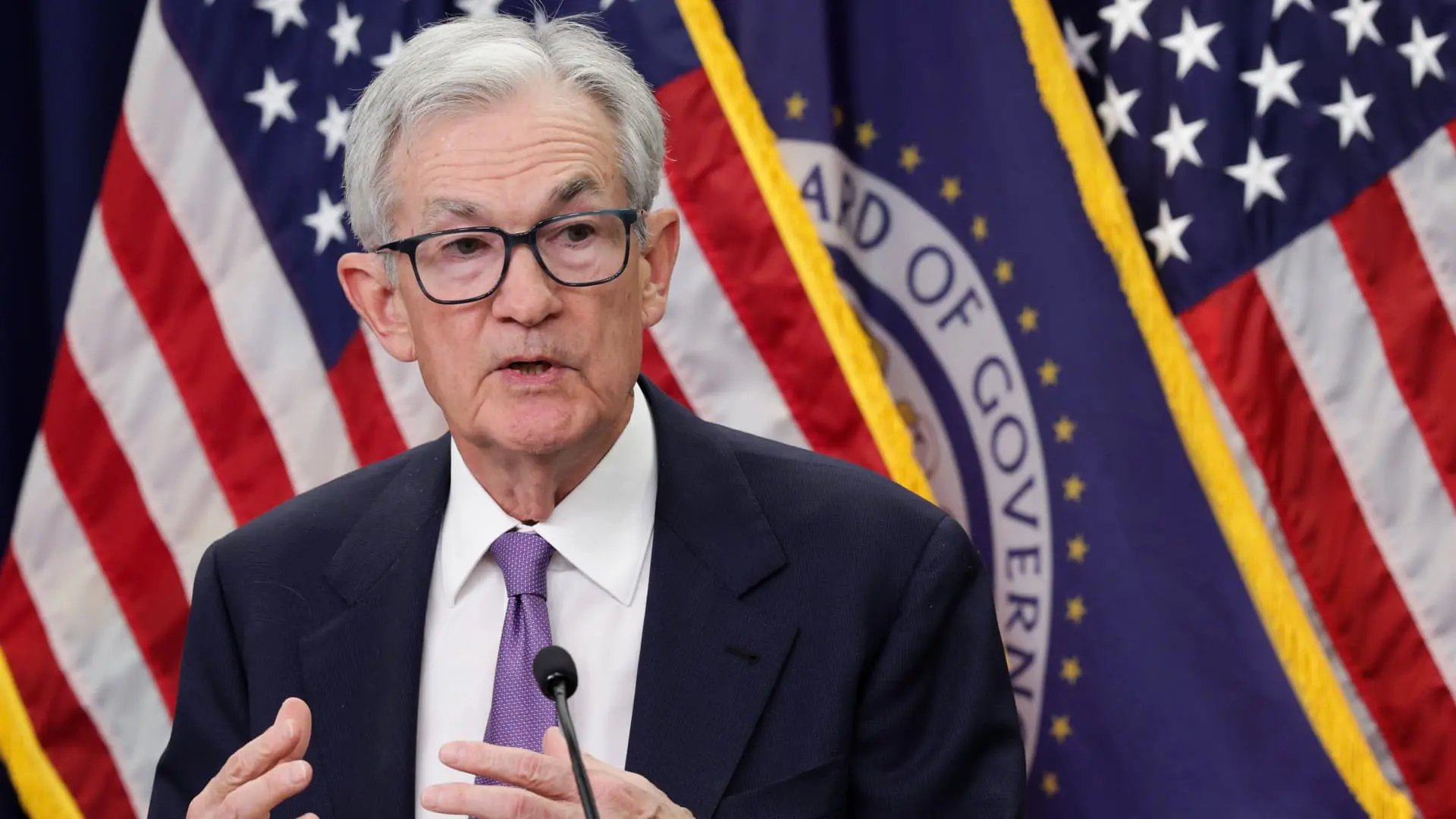
A federal judge blocked the Justice Department from subpoenaing Federal Reserve records, dealing a major blow to its investigation of Fed Chair Jerome Powell over his testimony about the Fed's headquarters renovations. The judge called the probe politically motivated.
A "Pretextual" Investigation
Chief U.S. District Judge James Boasberg threw out two subpoenas in the case. His Wednesday ruling—made public Friday—tore into the Justice Department's conduct. Boasberg stated the inquiry was the latest instance of law enforcement being "weaponized for political ends" against perceived political foes of President Donald Trump since last year.
"A mountain of evidence suggests that the Government served these subpoenas on the Board to pressure its Chair into voting for lower interest rates or resigning," Boasberg wrote in his opinion. He found the government had produced "essentially zero evidence to suspect Chair Powell of a crime." The judge concluded that the justifications offered were "so thin and unsubstantiated" they could only be seen as "pretextual."
Boasberg noted that the government's "sole justification for investigating the renovation is that it went 'far over budget, raising the specter of fraud.'" But, he added, buildings frequently exceed their budgets. That fact alone, he wrote, "hardly suggests that a crime occurred." He even gave prosecutors a shot to show him more evidence behind closed doors. They didn't take it. Given the circumstances, Boasberg found it "hard to see the renovations and testimony as anything other than a convenient pretext for launching a criminal investigation that the Government launched for another, unstated purpose: pressing Powell to knuckle" under.
Origin of the Probe
Trump ally Jeanine Pirro, the U.S. Attorney for D.C., started the investigation last year. Her office investigated whether Powell lied to Congress about the Fed's $2.5 billion headquarters renovation overlooking the National Mall. Trump and other Republicans had publicly griped about the building's fancy features and ballooning costs.
A grand jury subpoenaed the Fed for records and testimony about the renovation by Jan. 29. Powell's maintained he did nothing wrong. When the subpoenas dropped, Powell went public in a Jan. 11 video, revealing the investigation and calling it an assault on Fed independence.
Political Ramifications and Appeals
Pirro immediately announced the Justice Department would appeal the ruling, calling it "outrageous." It's another major loss for Pirro's office. Last month a grand jury refused to indict six Democratic lawmakers over comments to military members—another case Pirro's office brought and lost.
The ruling could reshape Powell's future and U.S. interest rates. North Carolina Republican Thom Tillis said he'd block Kevin Warsh's confirmation as Powell's replacement until the investigation wrapped up. Now that the probe's blocked, Powell could stay on as chair longer. That means rates could stay higher than Trump wants, since Powell's refused to cave to his demands for cuts.
Boasberg's ruling confirmed, in the view of some observers, "just how weak and frivolous the criminal investigation" truly is. One person familiar with the matter stated the probe was "nothing more than a failed attack on Fed independence," and advised the D.C. U.S. Attorney's Office to "save itself further embarrassment and move on."
The court ordered the docket in the case unsealed after attorneys for the Fed and Pirro’s office argued over the legality of the probe in a closed-door hearing earlier this month.