HuffPost recently featured a personal essay detailing one woman's ideological journey from lifelong progressive to exploring conservative viewpoints, offering a window into the evolving political landscape. This piece, alongside the publication's broader news coverage, highlights its commitment to diverse storytelling and accountability, even as it navigates the economic pressures facing digital newsrooms.
A Personal Political Awakening
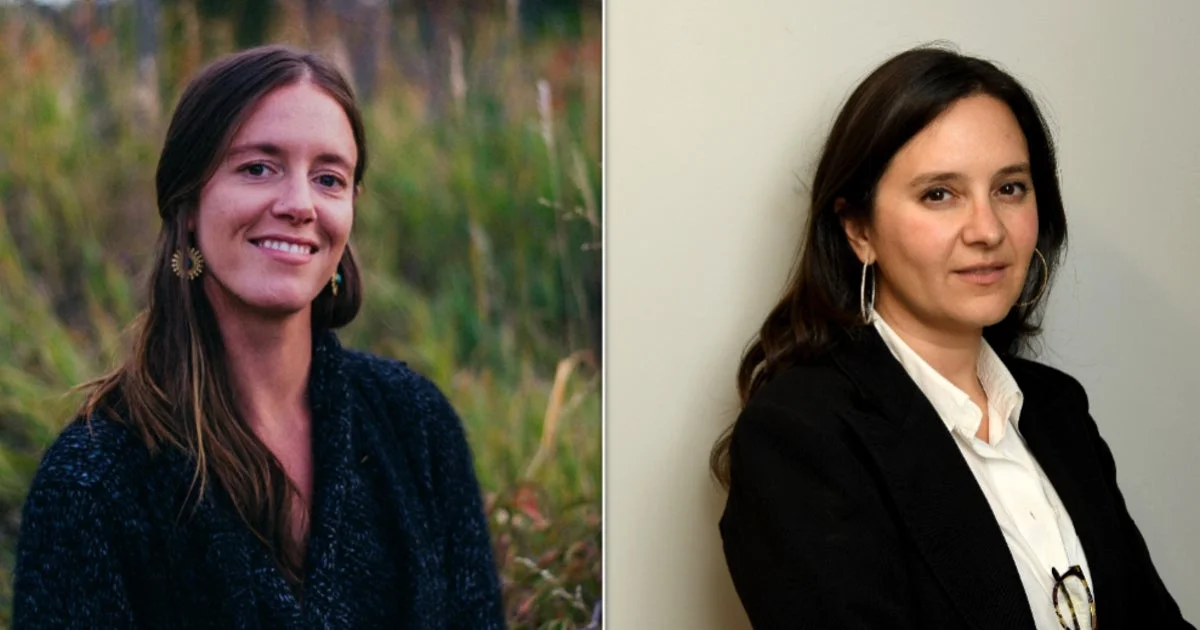
Emily Graf, a writer based in Boulder, Colorado, shared her experience of a significant political shift on HuffPost. Graf, who identified as a progressive for most of her life, described how listening to Bari Weiss's podcast, "Honestly," in November 2024, prompted her to re-evaluate her long-held beliefs. Her friend had suggested the podcast as a way to understand why Donald Trump was elected, and to "feel better" amidst post-election anxieties.
Graf's essay delved into the concept of being "red-pilled," a term describing an "awakening" that leads individuals away from liberal values toward conservatism, far-right ideologies, or even conspiracy theories. She emphasized that this isn't something forced upon people; rather, individuals choose to take this ideological step, often driven by a search for understanding or an escape from discomfort.
From Feminist Roots to Questioning the Narrative
Graf's progressive identity began early. She recalled her parents' dismay over George W. Bush's election in 2000, when she was just seven. In high school, attending a private school in Chicago, she embraced feminism, challenging male classmates and observing societal pressures on young women regarding appearance and self-worth. She took an independent study in feminist theory, arming herself with quotes from Simone de Beauvoir.
Despite her outspokenness, Graf felt a complex mix of mockery and respect from her male peers, while girls often offered sympathetic glances. She noted a societal perception that liberalism could be seen as "uncool," potentially leading to stereotypes like the "shrill, unfuckable Karen wearing an embarrassing pink knit hat." This early experience hinted at the social costs and perceptions associated with firm political stances.
Seeking Calm in a Politically Charged World
Her move to Boulder, Colorado, in 2018 marked another turning point. Graf observed a pervasive political ambivalence there, where voting was often dismissed as participation in a flawed system. Initially skeptical of this "checked-out crowd," she grew intrigued by their "it's-all-one breeziness." She found herself wondering what it would be like to feel "happier — less rattled" like many around her seemed to be. This desire for a different emotional state created fertile ground for her eventual openness to alternative viewpoints.
The 2024 presidential election intensified her search for answers and a sense of calm. Feeling "awful" after the election, she became receptive to her friend's suggestion to listen to Bari Weiss, despite her initial progressive wariness. This personal narrative underscores the profound impact of political events on individual identity and the role of new media in shaping perspectives.
HuffPost's Role in a Evolving Media Landscape
Graf's essay exemplifies HuffPost's stated commitment to "centering real people’s stories." The digital publication also engages with broader geopolitical issues, as seen in its reporting on Israel's critical shortage of interceptors, citing Semafor, and its coverage of the New York Post's criticism of the White House over an "Iran War failure." These diverse articles demonstrate the platform's aim to explain global events and hold power accountable.
In a challenging media environment, where hundreds of news outlets shut down annually, HuffPost actively seeks reader support. The publication runs a membership drive, appealing to its audience to become members to help keep its journalism strong. This financial model is crucial for sustaining its mission of reporting that explains the world, holds power accountable, and shares personal narratives like Emily Graf's.
The platform's call for membership underscores the ongoing financial pressures on digital news organizations, even as they provide space for complex personal and political explorations.