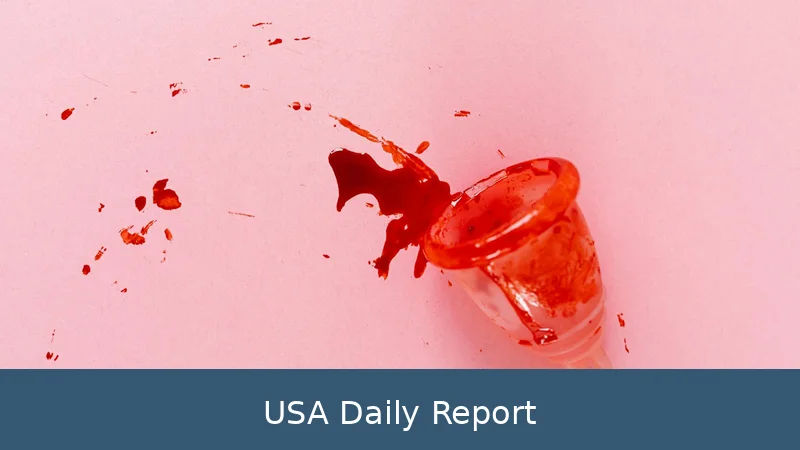
Women across the U.S. Are feeling the pinch as the cost of menstrual products climbs sharply. Inflation and tariffs are driving prices higher, and any hope for a quick break is fading.
Tariffs and Inflation Fuel Price Hikes
Menstrual products have become more expensive, caught in the crossfire of inflation and tariffs imposed during the Trump administration. Tariffs meant to protect American industries added extra costs on imported goods, including raw materials and finished products. Retailers then pass those costs on to consumers.
Look, tariffs are a blunt tool. They raise prices for everyone, not just the intended targets. The taxes on imports can range from 10% to 40%, depending on the product’s origin. For menstrual products, which often rely on international supply chains for materials like cotton and packaging components, the impact has been substantial.
President Donald Trump argued these levies were necessary to close the U.S. Trade deficit and encourage buying American-made goods.
But critics say the tariffs ended up inflating prices for everyday shoppers instead.
Price Relief Will Take Time
Despite recent moves to roll back some tariffs on food items and other goods, experts warn consumers won’t see much relief anytime soon. That's partly because the goods currently on shelves were stocked when tariffs were still high.
“Consumers haven’t felt the full impact of inflation yet because the affected products are still sitting in warehouses,” said Zachary Rogers, a supply chain expert at Colorado State University. The so-called 'middle mile'—warehouses and distribution centers—is where the higher costs are locked in before products reach stores.
Phil Kafarakis, CEO of the food industry group IFMA, explains that reducing tariffs now mostly helps the businesses producing and selling goods in the long run. For shoppers, prices could stay elevated for many months.
Retailers Passing Costs to Consumers
Retailers face tight margins and rising costs outside just tariffs. Shipping expenses, labor shortages, and pandemic-related supply chain issues have all pushed prices up. To cover these, stores have been increasing prices on many products, including essentials like menstrual supplies.
Amazon, for example, has raised prices by nearly 6% this year on average. Walmart and Target have been more cautious, with increases around 1.7%. But for items like menstrual products, which aren't easy to substitute and are bought regularly, retailers are less likely to absorb costs.
Data shows that the steepest price jumps happened early this year, even before some tariffs kicked in. That suggests retailers were adjusting prices to compensate for prior discounts or shifting market conditions.
Supply Chain Bottlenecks Worsen the Problem
Supply chain disruptions have added fuel to the fire.
The pandemic, combined with events like the Suez Canal blockage, slowed shipments and made logistics more expensive. Experts estimate it takes about six months for prices to climb after such disruptions and another six months for them to fall back.
So, even if tariffs on some goods are lowered now, it could be a year before consumers notice meaningful price drops. That includes menstrual products, which depend on complex global supply lines.
Federal Reserve Chair Jerome Powell has called The inflation “transitory,” but that doesn’t mean it’s short-lived for shoppers.
For now, those needing menstrual supplies have little choice but to pay more. Relief may come in the spring for some goods, but menstrual products likely won’t see price cuts anytime soon.


