
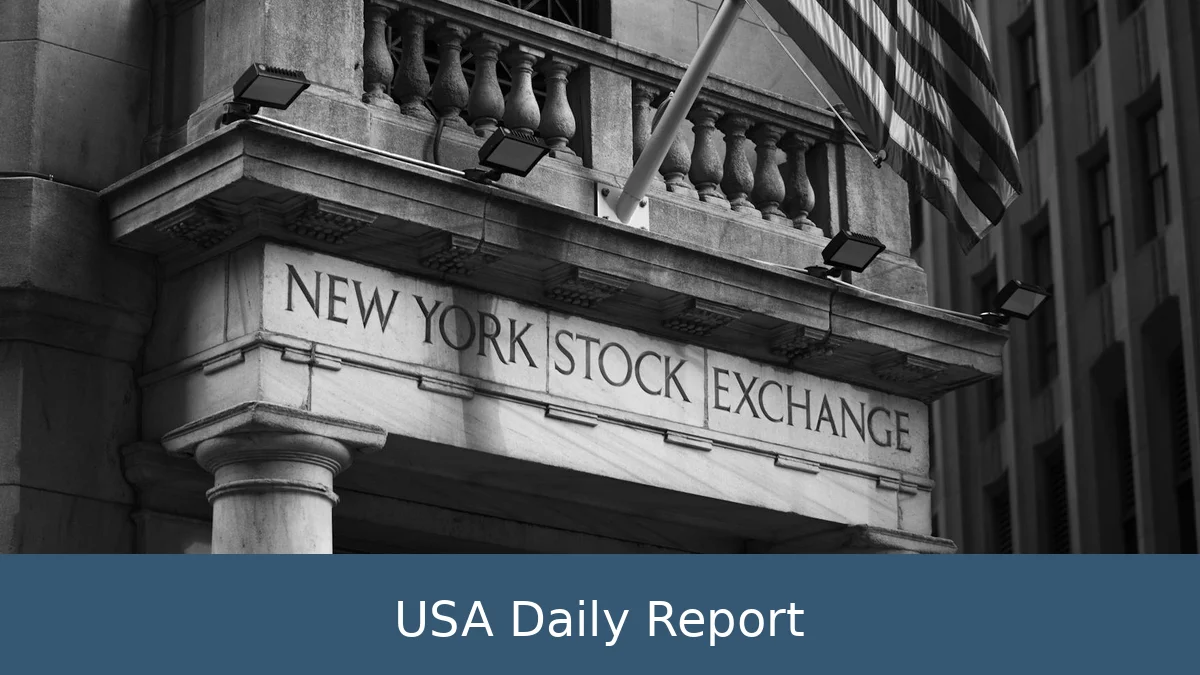
US stock futures dipped Monday amid a volatile session dominated by wild swings in oil prices. Escalating conflict in the Middle East is roiling energy markets and making investors nervous.
Markets React to Middle East Conflict
Oil prices jumped sharply last week after US strikes targeted Iranian nuclear sites, pushing Brent crude above $77 a barrel for the first time in eight months. West Texas Intermediate climbed over $71, marking a peak unseen since June. These gains reflected fears that the conflict could disrupt global energy supplies.
But after those sharp moves, prices swung back down sharply on Monday, with WTI crude falling over 5% to around $62.23 per barrel, testing its 200-day moving average. Traders appeared hopeful that tensions might ease, allowing supply to stabilize. But investors remain on edge due to the wild swings in oil prices.
Energy markets in Europe felt the strain, too. Diesel prices surged to their highest levels in more than two years, while natural gas futures in Europe jumped dramatically following an Iranian attack on a key LNG facility in Qatar. The halt in production there has added to fears of supply shortages just as winter demand looms.
Stock Futures and Tech Stocks Struggle
US stock futures opened lower amid the uncertainty. S&P 500 futures dropped about 0.3%, while Nasdaq futures slid 0.6%. Both indexes had been down by more than 1% earlier in the session before clawing back some losses. The tech sector, heavily tied to artificial intelligence investments, took a hit after Nvidia unexpectedly pulled back its funding for OpenAI.
That move rattled investors already wary of stretched valuations and potential headwinds in private credit markets.
The Dow Jones Industrial Average also showed signs of pressure, though it closed just 0.15% lower last Friday after bouncing back from an earlier 600-point slide. The VIX, Wall Street’s volatility gauge, rose 8% Monday after spiking as much as 27% earlier, signaling increased nervousness among traders.
Safe Havens and the Dollar Rally
Geopolitical tensions often push investors toward safe-haven assets, and this week was no exception. Gold prices climbed 2% to their highest levels in a month, briefly touching $5,400 per troy ounce before retreating slightly. Silver followed a similar pattern, recovering after steep intraday falls.
Meanwhile, the US dollar strengthened against major currencies, buoyed by demand for a reliable store of value amid uncertainty. The euro and British pound remained relatively steady, while the yen hovered near multiyear lows after mixed signals from Japanese political leaders.
Looking Ahead: What Investors Are Watching
Investors face a delicate balancing act. The conflict’s duration and intensity will play a big role in determining how oil prices move from here. Higher energy costs could squeeze corporate earnings and consumer spending, weighing on stock markets. On the flip side, a short, contained conflict could see markets regain footing quickly, as history has shown with past geopolitical flare-ups.
Tech investors will be watching Nvidia’s next moves closely, as its decision to halt OpenAI investment may signal cracks in the AI growth story that has powered much of the market’s gains recently. Meanwhile, the energy sector remains a wild card, with supply disruptions and price swings dominating headlines.
Europe’s markets showed resilience, recovering after shaky starts. The DAX in Germany flipped from a drop of nearly 1% in early trading to a gain of 0.9% later in the day. This rebound hints that investors might be looking past immediate shocks, betting on a broader recovery if tensions ease.
With uncertainty still high, markets are poised for more swings as traders digest news from the Middle East and corporate developments. The coming days will determine if the market turbulence eases up or gets worse, which will influence investment decisions.


