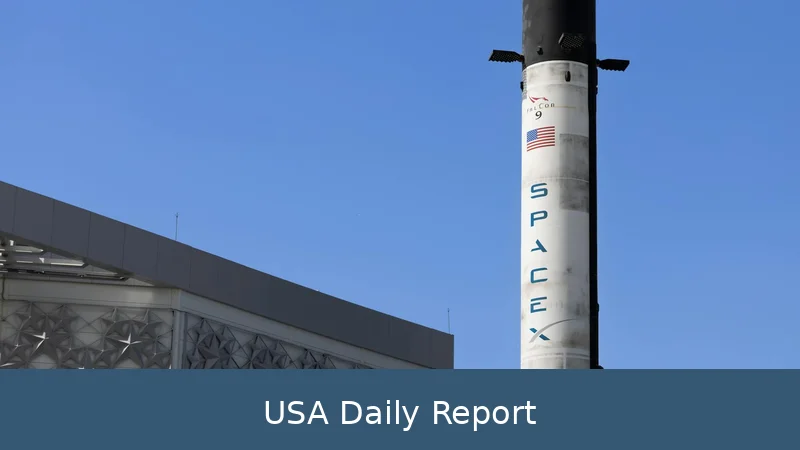
Elon Musk is gearing up to launch a colossal chip manufacturing plant in Austin, Texas, aiming to produce rare computing power for Tesla, SpaceX, and his AI startup xAI. The project, dubbed Terafab, could reshape the U.S. Semiconductor landscape and fuel Musk’s ambitions for AI, robotics, and space-based data centers.
Terafab: A New Era in Chip Manufacturing
On March 22, 2026, Musk unveiled plans for Terafab, a chip fabrication facility that will be jointly operated by Tesla and SpaceX. The plant will be located near Tesla’s existing headquarters and gigafactory in Austin, Texas. Musk described it as an "advanced technology fab" equipped to handle everything from chip design to testing and packaging under one roof — a setup that’s rare in the semiconductor industry.
The scale of the Terafab is staggering. Musk expects it to eventually produce one terawatt of computing power annually — equivalent to one trillion watts. For context, that’s just below the total power generation capacity of the entire United States. The facility aims to manufacture chips for electric vehicles, autonomous robots, and space data centers, marking a leap far beyond typical chip production focused on consumer electronics.
Why Build Terafab?
Musk has expressed frustration with the current semiconductor supply chain, despite being grateful for partners like Samsung, TSMC, and Micron Technology. The problem is demand from Tesla and SpaceX is set to outpace what existing suppliers are willing or able to provide.
"The maximum rate at which they're comfortable expanding is much less than we would like," Musk said. "We either build the Terafab, or we don’t have the chips, and we need the chips, so we build the Terafab."
The chip shortage issue has been a hot topic since the pandemic disrupted global supply chains. But few companies have dared to build a semiconductor fab from scratch given the massive capital costs involved — estimated between $20 billion and $25 billion for Terafab alone — and the complex technical expertise required.
Two Types of Chips: Earth and Space
Terafab will produce two main chip varieties. The first is tailored for Tesla’s autonomous vehicles and Optimus, its humanoid robot.
Musk expects the volume of Optimus robots to be 10 to 100 times greater than Tesla’s current car output, which demands a huge chip supply.
The second type is the D3 chip, designed to operate in harsh space environments. These chips will power solar-powered AI satellites, which Musk sees as a game changer for computing. By placing AI data centers in orbit, powered by near-constant sunlight, Musk believes space-based AI could become cheaper than terrestrial alternatives.
He envisions a network of mini AI satellites delivering 100-kilowatt power capacities, eventually scaling to megawatts — a decentralized computing grid in space, far from neighborhoods wary of massive data centers.
Challenges and Ambitions
Building a semiconductor fab is a "herculean" task, according to industry experts. Creating a facility capable of producing 2-nanometer chips, as Musk has proposed, requires cutting-edge technology and years of development. Most fabs take a decade to reach full capacity.
Musk has a history of setting ambitious timelines that sometimes slip, but the Terafab could transform Austin into a major U.S. Chipmaking hub.
Texas already hosts Samsung’s chip plant near Austin, and Tesla maintains partnerships with TSMC and Micron. Terafab’s success would add a new dimension to the state's tech ecosystem.
At the end of the day, Musk’s vision extends beyond Earth. He wants to build a "galactic civilization" that harnesses resources from other planets and stars. Terafab is a key step toward that, delivering the massive computing power needed for AI, robotics, and space exploration.
Still, Musk didn't provide specific timelines for when Terafab would be operational or reach its full output. Given the project's scale and pioneering nature, it could take years before the fab produces chips at the intended terawatt scale.
Implications for the Chip Industry
Terafab challenges the current semiconductor model, which splits design and manufacturing between fabless companies like Nvidia and foundries like TSMC. Musk’s plan to combine design, testing, and manufacturing in one facility is unusual and could streamline development cycles.
If successful, Terafab could reduce dependence on overseas suppliers and ease chip shortages impacting the auto and tech industries. Musk’s vertical integration approach aligns with Tesla’s broader strategy of controlling critical components in-house to accelerate innovation.
However, the semiconductor industry’s complexity and high barriers to entry mean Terafab will face stiff competition and technical hurdles. Still, Musk’s track record with Tesla and SpaceX shows he’s willing to tackle big challenges head-on.
Musk’s Terafab project is a bold bet on the future of AI, robotics, and space computing — all rooted in a sprawling chip factory in Austin. Whether it can deliver on its moonshot promises we'll have to wait and see.


