
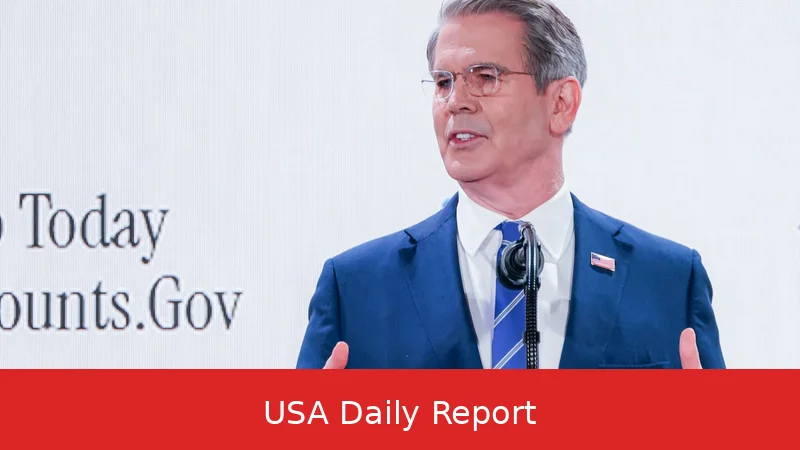
The U.S. Dollar staged a modest rebound after Treasury Secretary Scott Bessent dismissed rumors of active market intervention to support the currency against the yen. Yet, his remarks hinted at possible reserve actions without direct interference, stirring debate among investors.
Dollar’s Recent Slump and Market Concerns
The U.S. Dollar index, which measures the greenback against a basket of major currencies, dropped sharply earlier this week, marking its largest daily fall since April and hitting lows not seen since 2022. The slide intensified worries about the dollar’s weakening position amid global currency volatility, particularly against the Japanese yen.
Investors have been closely watching the dollar-yen exchange, especially after reports emerged that the New York Federal Reserve reviewed dollar-to-yen rates with dealers. This kind of monitoring often signals a potential intervention to stabilize a currency, sparking speculation about whether the U.S. Might step in to counter the yen’s gains.
Bessent’s Clear Rejection of Intervention Reports
Scott Bessent made it clear on Wednesday that the Treasury isn't intervening in the currency markets. Speaking to CNBC, he firmly denied any active efforts to strengthen the dollar through market manipulation or coordinated action with Japan.
"Absolutely not," Bessent said when asked if the U.S. Was stepping in to support the dollar or influence the yen.
His statement aimed to calm nerves after Reuters reported last week about the Fed’s engagement with dealers, which had fueled rumors of intervention.
However, Bessent didn’t rule out the possibility of using other tools, such as releasing reserves, to address currency market imbalances. While he rejected direct market interference, the door remains open for more subtle measures that could support dollar strength.

Strong Dollar Policy and Economic Fundamentals
Bessent reiterated the administration’s commitment to a "strong dollar policy," emphasizing that this strength should come from sound economic fundamentals rather than active market interventions. He explained that improving trade deficits and responsible fiscal policies are the real drivers that will naturally boost the dollar over time.
"If we have sound policies, the money will flow in," Bessent noted, highlighting that the U.S. Is working to reduce trade imbalances, which historically have pressured the dollar. The approach contrasts with the intervention strategies sometimes used by other countries to prop up their currencies artificially.
The Treasury Secretary’s comments also come in the shadow of President Donald Trump’s recent remarks. Trump expressed comfort with the current dollar value but criticized China and Japan for devaluing their currencies, calling such actions unfair and a challenge for U.S. Competitiveness.
Why the Yen Matters Now
The yen’s recent strength has been a focus for currency watchers. Japan has a history of intervening to prevent excessive appreciation of the yen, which can hurt its export-driven economy. The U.S. Dollar’s fall against the yen has raised concerns about competitive imbalances, especially as global trade dynamics become more tense.
Market participants have been wary that the U.S. Might respond by stepping into the market, especially given the Fed’s recent conversations with major dealers. But Bessent’s firm denial suggests the Treasury prefers to rely on economic fundamentals rather than direct currency manipulation.
Still, the possibility of releasing reserves gives the U.S. Some flexibility to address currency fluctuations without overt intervention. This tool can provide liquidity or signal commitment to currency stability without the backlash that a forceful market move might trigger.
Implications for Investors and the Currency Market
The dollar’s path remains uncertain. The recent rebound after Bessent’s comments shows that markets are sensitive to signals from policymakers. But the dollar’s weakness over the past year—down more than 10% against major currencies—reflects broader economic pressures, including inflation concerns and shifting trade balances.
Investors will likely keep a close eye on further statements and any subtle moves by the Treasury or Federal Reserve. Balancing signaling a strong dollar through policy and avoiding market disruption is delicate.
For now, Bessent’s message is clear: no direct intervention. But the potential for reserve actions means the Treasury isn't standing still as currency markets evolve.
Related Articles
- Fed signals patience, projects one cut in 2026
- UAE Leaves OPEC — Saudi Arabia Picks Up the Slack
- Three risks that could push the Fed to pause
The dollar’s future swings may hinge on how the U.S. Manages its economic fundamentals and subtle policy tools rather than overt market interference. The next few months could reveal whether The approach can stabilize the greenback amid rising global currency tensions.
This article was created with AI assistance.


