A surge in diesel prices, fueled by an escalating conflict in the Middle East, is set to undercut any economic boost Americans might get from bigger tax refunds this year. The rising cost of moving goods could reignite inflation and squeeze household budgets, experts warn.
Fueling Inflation Fears
American households were looking forward to a bit more breathing room this tax season. They've already received an average federal tax refund of $3,742 as of February 27, according to IRS data. That's a solid 10.6% jump from last year, meaning tens of millions of people just got their biggest single-day cash infusion of the year. That's partly attributed to inflation adjustments in tax brackets and certain credits, allowing more income to be taxed at lower rates or increasing eligibility for deductions. People typically use that money to pay down debt, buy big-ticket items, or top up savings, injecting capital directly into the economy.
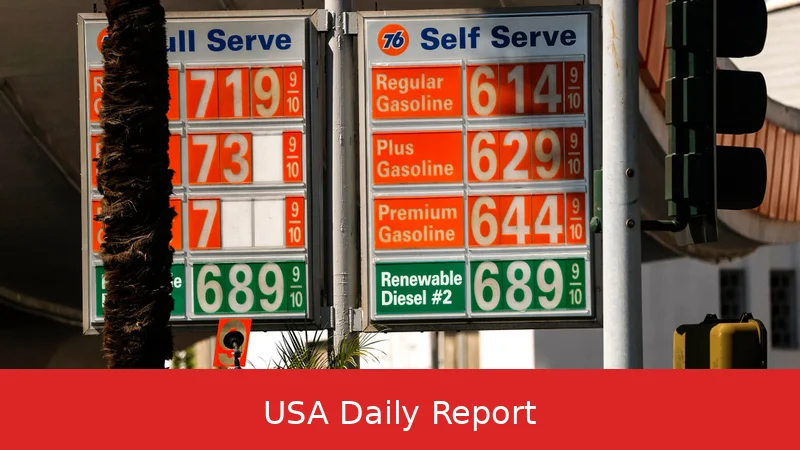
But escalating geopolitical tensions in the Middle East change things. The ongoing conflict, marked by disruptions to vital shipping lanes like the Red Sea and fears of broader regional instability impacting major oil-producing nations, has sent global oil prices skyrocketing. That pressure has pushed up the cost of both gasoline and, more critically, diesel. On a recent Friday, a gallon of unleaded gas in the U.S. Hit $3.64, a noticeable $0.72 higher than just last month's average, GasBuddy's tracker shows. Not just about your morning commute; it's a fundamental shift in the cost structure of the entire economy.
“When a war pushes oil up, Not just a gasoline story,” said Paul Dietrich, chief investment strategist at Wedbush Securities. He pointed out that gas prices have already jumped sharply, and diesel costs are rising too. Diesel, often called the economy's lifeblood, powers nearly every sector of commerce, from agriculture and manufacturing to construction and transportation.
That means people will pay more for commuting, groceries, shipping, and pretty much basic household living.
So, if families have to spend more just to fill the tank and buy food, they'll naturally spend less on other things. Think restaurants, travel, new clothes, or home goods. Brent Schutte, chief investment officer at Northwestern Mutual Wealth Management Co., noted that “This is going to eat into some of that discretionary spending, and that could slow down the economy significantly if it persists.”
The Diesel Domino Effect
The particular surge in diesel prices is actually a bigger problem to the economy than gasoline alone. Diesel fuel is the primary energy source for the trucking industry, which moves over 70% of all freight in the U.S. When diesel prices rise, trucking companies face immediate increases in operating costs. And those costs get passed along the supply chain, affecting everything from the price of raw materials for manufacturers to the final cost of goods on supermarket shelves. Independent owner-operators, who comprise a big portion of the trucking fleet, are particularly vulnerable, often operating on thin margins that can be erased by sudden fuel price spikes.
Beyond trucking, agriculture is heavily reliant on diesel for tractors, harvesters, and irrigation pumps. Higher diesel costs translate directly into higher production costs for farmers, which eventually impact food prices for consumers. Similarly, the construction industry, maritime shipping, and rail transport all depend on diesel, meaning virtually every sector involved in producing and delivering goods will see increased expenses. The ripple effect differentiates a diesel crisis from a mere gasoline price hike, as it directly inflates the cost of doing business at every stage.
Historically, energy shocks have often preceded economic downturns or periods of high inflation. The oil crises of the 1970s and early 2000s showed how rapidly rising fuel costs can stifle consumer demand, depress corporate profits, and complicate monetary policy. This current situation, with global diesel inventories already tighter than usual, makes things worse, suggesting that the inflationary pressure could be longer-lasting and bigger than expected.
Complicating Monetary Policy
The Federal Reserve has been working diligently to bring inflation down to its 2% target, mainly by a series of aggressive interest rate hikes. Right when inflation looked like it was cooling and the prospect of rate cuts seemed within reach, the surge in energy prices complicates the picture. If fuel costs continue to climb, they could reignite broader inflationary pressures across the economy, which might force the Fed to maintain higher interest rates for longer or even reconsider future policy actions. That uncertainty brings headwinds for businesses planning investments and for consumers managing debt, making things even more uncertain to the economic outlook. Balancing combating inflation and supporting economic growth becomes even more precarious with the added volatility from global energy markets.
The pressure on the US economy from rising fuel costs isn't just about what people pay at the pump; it's about the fundamental cost of doing business and living in America, with the situation in the Middle East still far from settled. The ripple effects of higher diesel prices threaten to erode consumer purchasing power, squeeze corporate profits, and complicate the Federal Reserve's efforts to stabilize the economy, threatening any potential boost from increased tax refunds.