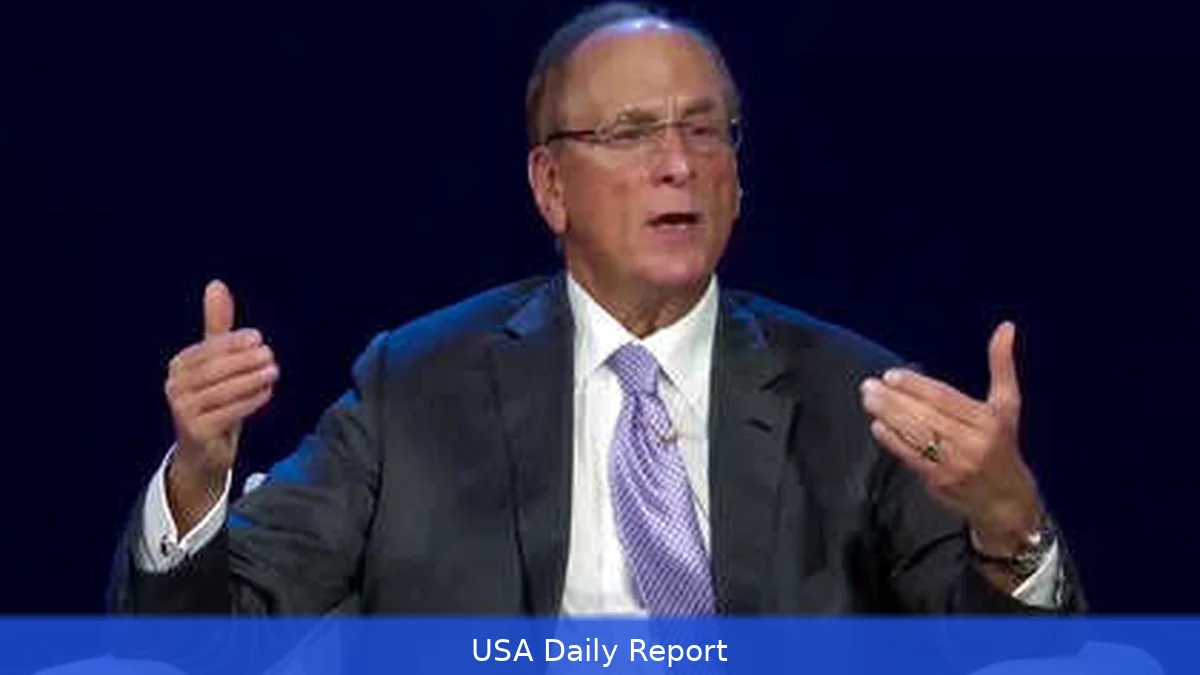
Larry Fink, BlackRock’s billionaire CEO, isn’t losing sleep over AI stealing jobs. He’s focused on something much bigger: how artificial intelligence is set to deepen the wealth gap between asset owners and everyday workers.
AI and the Growing Divide in Wealth
Last Monday, Larry Fink sent his annual letter to BlackRock shareholders. Instead of the usual corporate optimism about AI boosting productivity, Fink sounded an alarm about who really benefits from this new wave of technology. What worries him most is how wealth stays with asset owners—and how AI could make that gap grow.
Fink, a key figure behind the rise of index funds that have reshaped investing, warned that the biggest economic threat isn’t job losses caused by automation. It's the way AI is funneling gains to a small group of companies and investors already sitting on vast assets. He made it clear that the real impact of AI depends on who controls it and who cashes in.
“The vast majority of wealth has flowed to people who owned assets, not to people who earned most of their money by working,” Fink wrote. That's not new, but AI risks repeating, even amplifying, that pattern.
America’s Wealth Gap Is at Historic Highs
Research from the Federal Reserve backs up Fink’s concerns. The divide between America's richest and the rest hasn’t been this wide since 1989, when the Fed started tracking household wealth data. The top 1% now owns nearly a third of all U.S.
Wealth—about the same as the bottom 90% combined.
Most of that wealth is tied up in stocks and real estate. For millions of Americans, those assets feel out of reach. As AI adoption accelerates across industries, it looks set to boost the fortunes of those who control these assets even further.
“When market capitalization rises but ownership remains narrow, prosperity can feel increasingly distant to those on the outside,” Fink noted. That phrase captures the unease many Americans feel about whether capitalism is fair.
Wages Lag Behind Market Gains
There’s been a long-running disconnect between stock market returns and wage growth. Since 1989, the median wage in the U.S. Has grown at just one-fifteenth the pace of the stock market. That’s a huge gap, and AI’s early effects suggest it won’t close anytime soon.
While AI might raise productivity and wages for certain jobs, so far its biggest impact has been on stock valuations. In other words, investors and companies with AI-driven advantages see their wealth swell, but workers see little of that gain. The technology is reshaping profits and capital gains far faster than it boosts paychecks.
Fink warns this trend probably won’t change anytime soon. If the benefits of AI remain concentrated among asset owners and investors, the wealth gap won’t just persist—it could widen dramatically.
What This Means for the Economy
AI could change industries a lot, but there’s a downside. If its rewards flow mostly to the top, economic growth could become less inclusive. That might fuel social unrest and deepen skepticism about capitalism’s ability to deliver broadly shared prosperity.
Fink points out that tech isn’t the only factor in the economy—rules and who owns what matter just as much. Without addressing these issues, AI risks becoming a tool that benefits a few while leaving many behind.
BlackRock’s CEO has been sounding these alarms more often lately. His message: don’t get distracted by fears of job-stealing robots. The bigger question is how to make sure AI-generated wealth doesn’t just pile up at the top.
The gap between asset owners and workers has been around for a while, but AI might make it bigger. Larry Fink’s call is a challenge to policymakers and investors alike: how to harness AI’s power so its rewards reach more than just the richest few.


