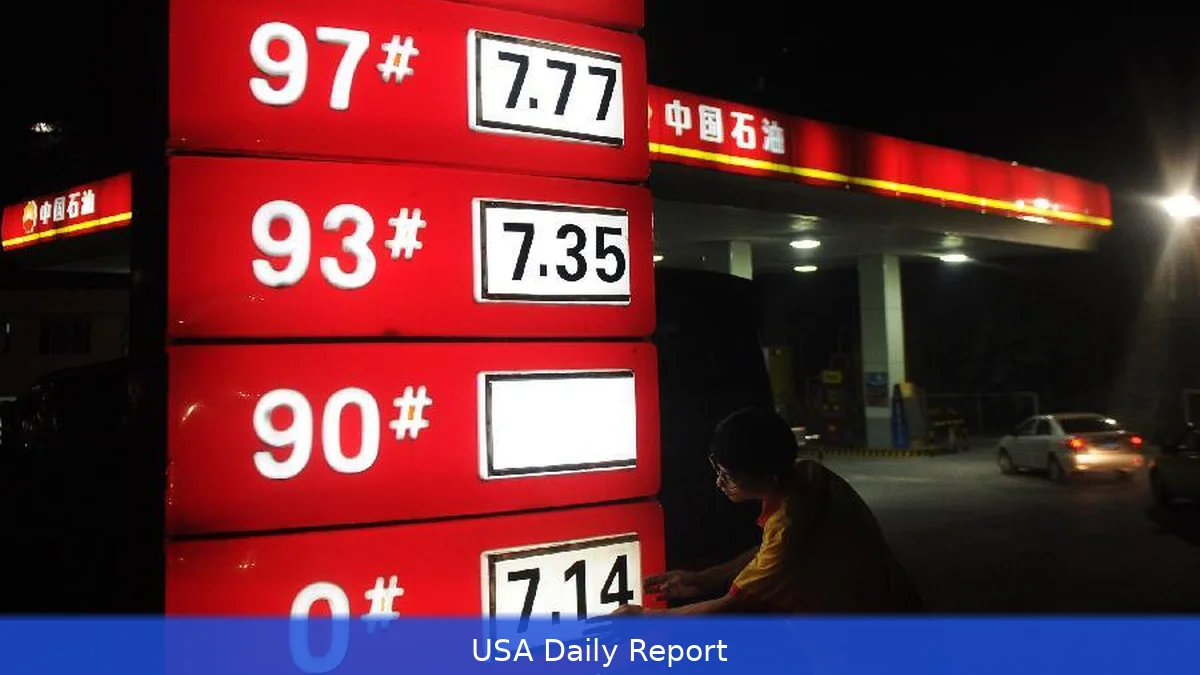
Gasoline prices in China were set to soar by more than 2,000 yuan per tonne this week. Then the government stepped in and slashed the increase by almost 50%.
Fuel Prices and the Iran Conflict
Since the Iran conflict escalated, petrol prices in China have jumped roughly 20%. The Strait of Hormuz, a vital oil shipping lane, is effectively shut, tightening global supply. That disruption sent crude prices soaring, with Brent crude briefly topping $100 a barrel this week.
China’s National Development and Reform Commission (NDRC) initially planned to raise gasoline prices by 2,205 yuan ($320) per tonne and diesel by 2,120 yuan. But on Monday, the government announced it would nearly halve those hikes to 1,160 yuan and 1,115 yuan respectively, starting Tuesday. The move aims to ease the financial strain on a population where over 300 million drivers rely on petrol and diesel.
Signs of Strain on Drivers and Supply Chains
Long lines at gas stations formed across major Chinese cities over the weekend. Several stations even posted signs saying they ran out of fuel. The price increase is the fifth this year and the biggest one yet—even after the government scaled it back.
China depends heavily on Gulf countries for crude oil, including Iran, whose exports are under U.S. Sanctions. Despite the risks, reports suggest Beijing buys more than 80% of Iran’s oil shipments, drawn by cheaper prices. Saudi Arabia also accounts for a big share of imports. The U.S. Energy Information Administration says barrels from Saudi Arabia and Iran each make up more than 10% of China’s oil imports.
Managing Reserves and Domestic Supply
Over the years, Beijing has stockpiled crude when prices have been low. Saxo Bank’s Ole Hansen estimates China’s reserves hover around 900 million barrels—enough to cover nearly three months of imports.
State media cited Columbia University figures putting petrol reserves even higher, at about 1.4 billion barrels.
Still, the government is cautious. Reports say China ordered oil refineries to temporarily halt fuel exports. The goal: keep more fuel at home to avoid pushing prices even higher. Beijing hasn’t officially confirmed The move.
China’s state planner explained the temporary price controls are designed to soften the blow from abnormal spikes in global oil prices, reduce the burden on drivers, and protect the broader economy and public welfare.
What’s Next for China’s Fuel Market?
China’s fuel price adjustments come amid volatile talk of U.S.-Iran negotiations, which sent oil prices swinging sharply in just days. The government’s quick pivot to temper price hikes shows the tightrope Beijing walks—balancing global market pressures with domestic stability.
Still, with oil prices hovering near $100 a barrel and geopolitical risks lingering, Chinese drivers might face more ups and downs. The government will likely keep a close eye on prices and demand as it navigates these challenges.
Tuesday’s price cut was a sign Beijing won’t let fuel costs spin out of control even as global tensions persist.


