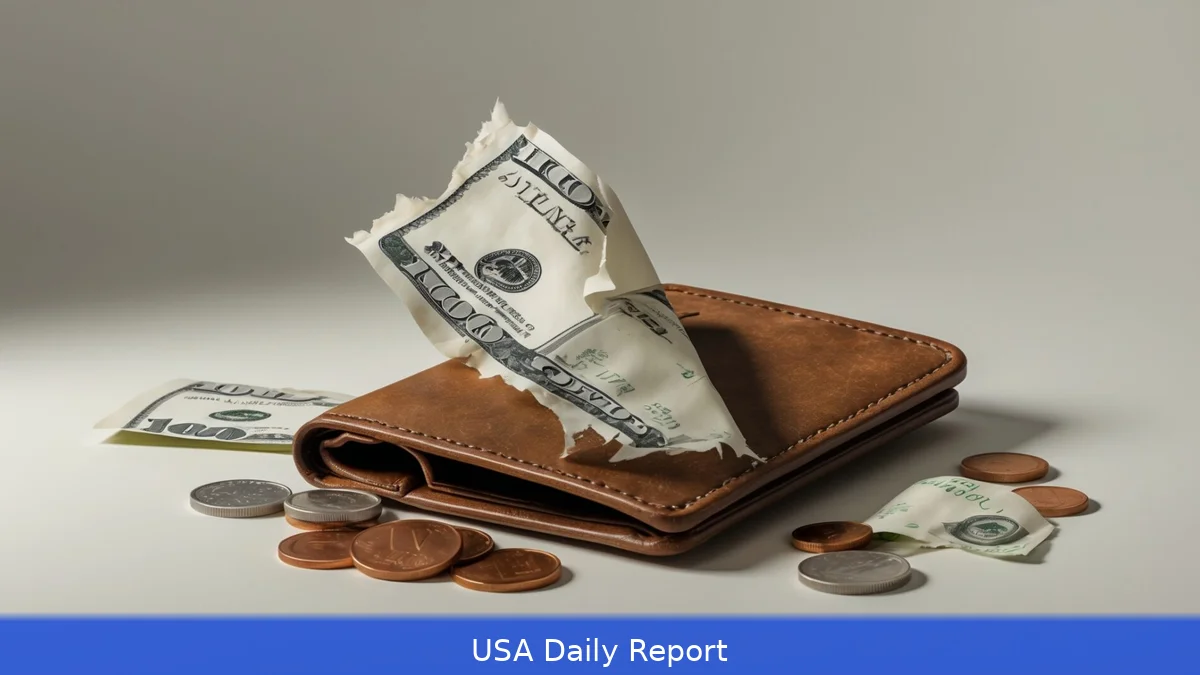
You hear the word inflation all the time, but what does it actually mean for your money? In early 2026, inflation in the U.S. Is around 2.7% to 3%, still above the Federal Reserve’s 2% target. Prices keep creeping up for groceries, gas, rent, and more. Understanding inflation helps you see why your money buys less and what’s behind those rising costs.
What Is Inflation?
Inflation is just prices going up over time. Think of it like this: if a candy bar cost $1 last year and now costs $1.03, that's 3% inflation. Your money buys less than before, so you need more dollars for the same things. Inflation is measured by the Consumer Price Index, or CPI, which tracks the price of common goods and services Americans buy every day — like food, housing, transportation, and healthcare.
In early 2026, the CPI shows inflation around 2.7% to 3%, down from a peak of 9.1% in June 2022. That peak was the highest in 40 years, since the early 1980s. Back then, inflation hit over 14%. The Federal Reserve aims for about 2% inflation — enough to keep the economy moving but not so high that prices rise out of control. When inflation is too low, it can signal weak demand and slow growth. When it’s too high, prices rise faster than wages, hurting people’s budgets.
Inflation affects different items differently. For example, in 2025, energy prices fell 5% while food prices rose 4%. Housing costs, which make up about 30% of the CPI, have steadily climbed over 5% per year in recent times. So, your cost for rent or mortgage can go up faster than other things.
How Does Inflation Work?
Inflation happens when there’s more money chasing fewer goods. Think about a pizza shop that makes 10 pizzas daily. If 20 people want one but only 10 are available, the owner might charge more. That’s a simple way to think about “demand-pull” inflation — more demand than supply.
If lots of folks want more stuff, sellers often hike prices.
“Cost-push” inflation happens when it gets more expensive to make or deliver goods. For example, if oil prices rise, gas and shipping costs go up, pushing prices higher for things like groceries, clothes, and electronics. In 2022, oil prices spiked to over $120 a barrel, up from under $50 a barrel in 2020, which pushed costs up across the board.
Another factor is the money supply. When the government prints more money or pumps stimulus into the economy, people have more cash to spend. If this happens faster than goods can be produced, prices climb. In 2020 and 2021, the U.S. Government sent out trillions of dollars in stimulus checks and expanded unemployment benefits, giving many Americans more spending power. But supply chains were still disrupted, so demand outpaced supply.
From 2020 to 2026, inflation was driven by several key events. The COVID-19 pandemic led to massive government stimulus payments and disrupted supply chains worldwide. Factories and ports faced delays, and shipping costs soared, sometimes increasing by over 300%. Then the war in Ukraine pushed energy and food prices higher. Ukraine and Russia are major exporters of wheat, corn, and natural gas. When the war started in 2022, global food and fuel prices jumped sharply, adding to inflation pressures. These events combined pushed inflation to 9.1% in June 2022.
What Has the Federal Reserve Done?
The Federal Reserve, or Fed, fights inflation by raising interest rates. Higher rates mean borrowing money costs more. That slows spending and cools demand, which helps lower inflation. For example, higher mortgage rates make buying a home more expensive, so fewer people buy houses, slowing price increases in real estate.
By early 2026, the Fed funds rate is between 4.25% and 4.50%. That’s much higher than the near-zero rates seen during the pandemic. The Fed started raising rates in March 2022, and by the end of 2023, rates had climbed over 5%. Those increases are the fastest and largest in decades. The Fed watches inflation data closely and adjusts rates to keep prices stable without hurting jobs.
Hiking rates won’t stop inflation right away — it usually takes months for people to spend less and invest less. In the meantime, some prices may keep rising. The Fed also signals to markets and businesses that it’s serious about controlling inflation, which can help slow wage and price increases.
The Fed is also selling bonds it bought during the pandemic to pull money out of the economy. This pulls money out of the economy, helping reduce inflation pressures. But it’s a careful balancing act — too much tightening can lead to slower growth or even a recession.
Why Inflation Matters to You
Inflation affects nearly everything you buy. When prices rise faster than your income, your purchasing power drops. For example, if your annual pay goes up 2% but inflation is 3%, you effectively lose money because your raise doesn’t cover all the price increases.
Inflation also affects savings. If you keep money in a savings account earning 1% interest but inflation is 3%, the real value of your savings falls by about 2% each year. That’s why many people look for investments that grow faster than inflation, like stocks or real estate.
On the flip side, inflation can help people with debts. If you owe a fixed-rate mortgage, inflation means you pay back your loan with dollars that are worth less than when you borrowed. So, inflation reduces the real cost of debt over time.
Inflation also affects the cost of living. Rent, groceries, gas, and healthcare prices all influence your monthly budget. For many Americans, even a small rise in inflation can mean having to cut back on non-essential spending or look for better deals.
How to Get Started Managing Inflation’s Impact
First, know your budget. Track what you spend monthly and see which costs are rising fastest. Food and energy often fluctuate, so look for ways to save — like buying in bulk or using public transportation.
Consider building an emergency fund that covers 3 to 6 months of expenses. That cushion helps if prices spike suddenly or your income changes. Keep your savings in accounts that earn competitive interest to at least keep up with inflation.
If you have debt, try to pay down high-interest loans first. Fixed-rate debts like mortgages aren’t as risky during inflation, but variable-rate debts can get more expensive if rates rise.
Look into investments that historically outpace inflation, such as stocks or Treasury Inflation-Protected Securities (TIPS). TIPS are government bonds that adjust their principal with inflation, protecting your purchasing power.
Finally, stay informed. Keep an eye on inflation reports from the Bureau of Labor Statistics, Fed announcements, and news about the economy. Understanding trends helps you plan better for your financial future.
Common Questions About Inflation
Why do prices keep rising even though inflation is lower than before? Inflation is measured as an average, so some prices rise while others fall or stay steady. Even if inflation slows to 3%, prices are still going up, just more slowly than before.
Is inflation bad for the economy? Moderate inflation (around 2%) is normal and healthy. It encourages spending and investment. But very high inflation can hurt people’s buying power and create uncertainty.
Will inflation go back to zero or negative? Zero or negative inflation (deflation) means prices fall. While that might sound good, deflation can lead to less spending and slow economic growth. That’s why the Fed aims for a modest 2% inflation rate.
How does inflation affect my paycheck? If your wages don’t increase at least as fast as inflation, your paycheck buys less. Many employers adjust wages for inflation, but not always immediately or fully.
Can I avoid inflation? You can’t avoid it completely since it affects the whole economy, but you can protect your money by saving, investing, and managing your budget wisely.
Inflation means prices are rising, and your money doesn’t go as far as before. It’s driven by demand, costs, and changes in the money supply. The Federal Reserve tries to keep inflation around 2% by adjusting interest rates and managing the economy. Knowing how inflation works and what affects it helps you make smarter financial choices in 2026 and beyond.


