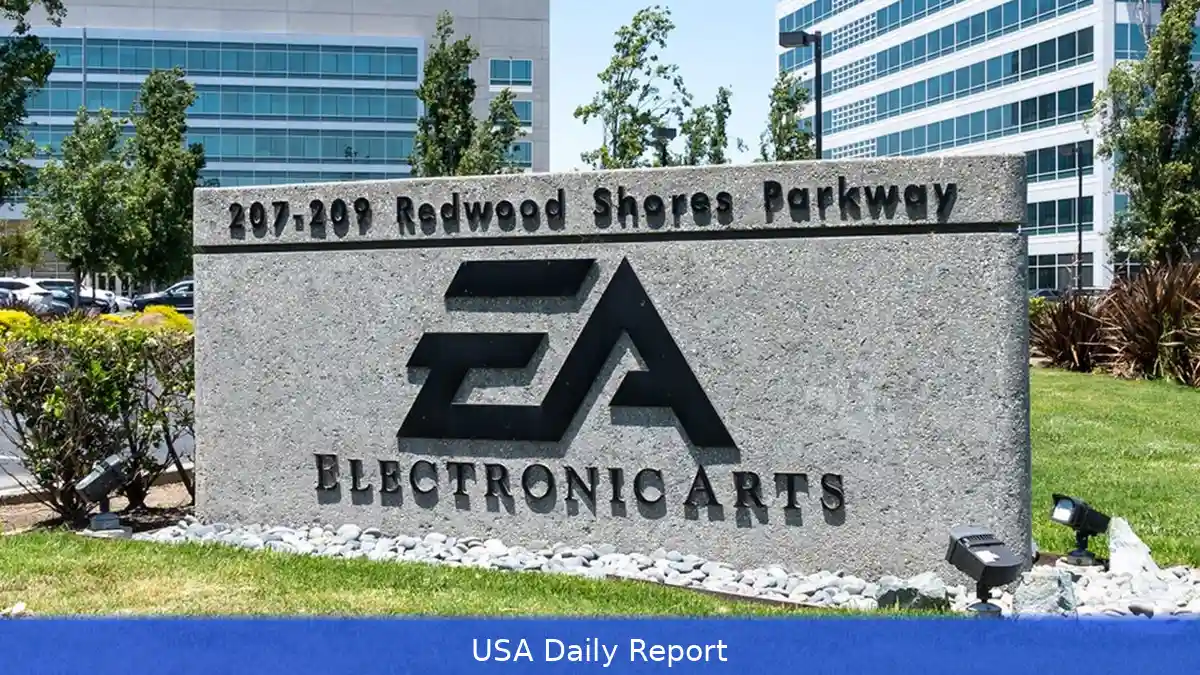
Electronic Arts’ massive $55 billion move to go private is drawing heavy interest from debt investors. The gaming giant’s newly issued debt has become prime material for collateralized loan obligations (CLOs), signaling strong appetite in the credit markets for such high-profile deals.
EA’s Debt Hits the Market
Electronic Arts (EA) recently launched a big debt issuance to fund its proposed take-private transaction. The $55 billion deal, one of the largest in the gaming industry’s history, requires substantial financing, and the new debt paper is now circulating among institutional investors.
CLO managers have been quick to scoop up the bonds. The appeal is clear: EA’s strong brand and steady cash flow make its debt an attractive asset for securitization. CLOs, which bundle loans and sell tranches to investors, thrive on reliable underlying credit. EA’s profile fits the bill, offering both scale and perceived stability.
Market sources suggest that the debt issuance is helping diversify EA’s capital structure ahead of the buyout. By tapping into the leveraged loan market, the company gains flexibility while providing investors with fresh opportunities to back a marquee name in the entertainment sector.
Why CLOs Are Key Players
CLOs have dominated the leveraged finance space for years, absorbing large chunks of syndicated loans.
Their appetite for EA’s debt reflects broader trends, where CLOs chase high-quality, large-ticket credits to boost returns while managing risk.
Investors in CLOs benefit from the layered risk structure. Senior tranches get priority on repayments, while junior tranches offer higher yields. EA’s debt, backed by a company with a solid cash flow track record, fits well within this framework.
At the same time, CLO managers see EA’s deal as a way to expand their portfolios with a name that offers both scale and relative safety amid market volatility. The gaming industry’s resilience during economic shifts adds to the allure.
Context in the Gaming and Finance Worlds
EA’s move to go private isn’t just a corporate reshuffle; it’s a major event in the gaming world.
It gives management more control away from public market pressures. Financing such a huge transaction requires tapping multiple funding sources, with debt playing a starring role.
Historically, take-private deals of this size rely heavily on debt markets. Investors view these opportunities as ways to back companies with strong growth potential or stable cash flows, hoping to profit when the company eventually returns to public markets or is sold.
EA’s debt issuance arrives at a time when investors are hunting for yield amid fluctuating interest rates. The company’s solid credit profile helps calm nerves around risk. For CLOs, this deal offers a chance to add a big, blue-chip name to their loan pools.
Still, the sheer size of the transaction means the debt market will be watching closely. How EA manages its leverage post-buyout could influence investor sentiment and future financing in the sector.
What’s Next for EA and Investors
The debt raised will cover the bulk of EA’s take-private bid, backed by private equity firms. Investors will monitor how the company balances debt repayment with ongoing investments in game development and expansion.
For CLO investors, the next chapters hinge on EA’s operational performance and broader credit market conditions. If EA maintains steady cash flow, its debt will continue to perform well within these structured products.
But if market turbulence hits or the gaming sector faces headwinds, the risk profile could shift. That makes this financing round a test case for high-profile leveraged deals in entertainment.
Electronic Arts’ $55 billion take-private financing is a landmark in both gaming and debt markets. The swift uptake by CLO investors signals confidence in EA’s creditworthiness and the growing role of securitized debt in mega-deals.


