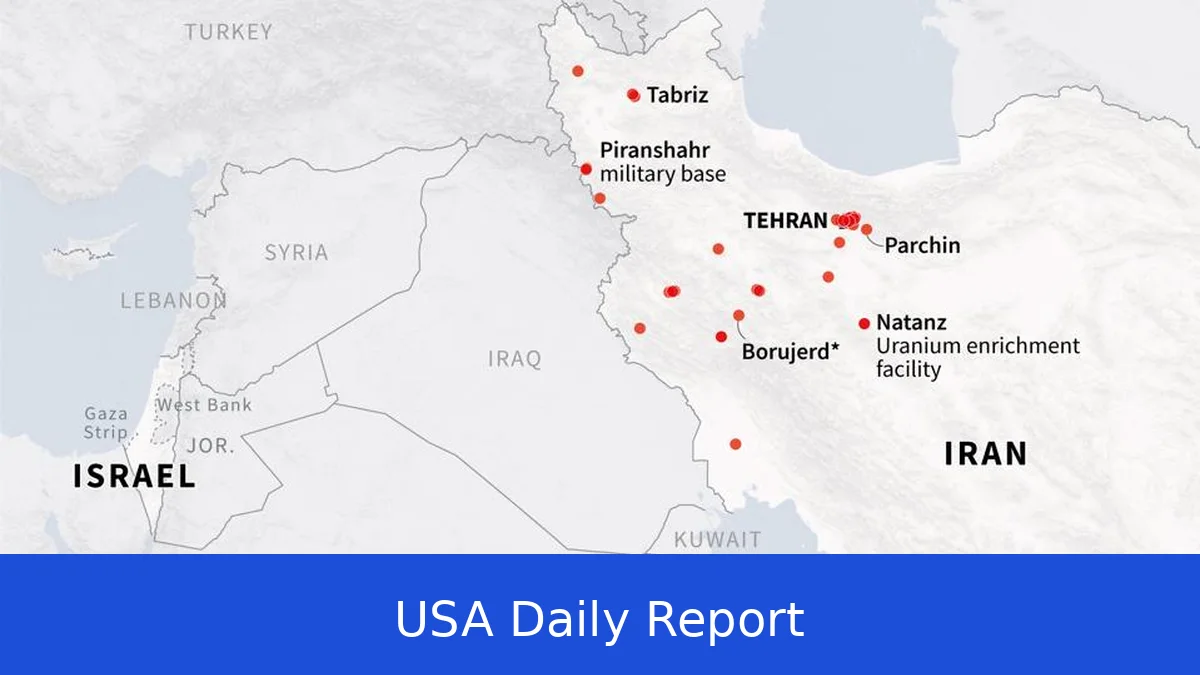
Oil prices have soared past $100 a barrel amid escalating military strikes in Iran and its neighbors, threatening to derail the global economy with a shock that could last far beyond the battlefield. The disruption hitting Middle East energy supplies dwarfs past crises and could drive inflation higher worldwide.
Historic Energy Disruptions Shake Global Markets
Energy markets are rattled like never before. The International Energy Agency (IEA) says the ongoing conflict involving Iran has caused losses in oil production that exceed the combined impact of the 1973 and 1979 oil shocks. Around 11 million barrels per day have been knocked out—more than two major crises stacked together. Gas markets, especially in Europe, are also feeling the squeeze, with supply cut by nearly twice the amount lost after Russia invaded Ukraine.
Trade in key commodities linked to energy, including petrochemicals, fertilizers, and helium, has been severely hit, with 40 critical energy facilities across nine countries damaged or destroyed. The ripple effect threatens many sectors dependent on these materials, raising the risk of prolonged economic disruption.
Strait of Hormuz: The World's Energy Choke Point
The Strait of Hormuz remains the flashpoint. Roughly 20% of global oil flows through this narrow waterway. Iran’s threats to close or disrupt shipping lanes have sent shockwaves through global markets. The closure or even partial blockage of the strait could halt up to 15 million barrels of crude per day, along with an additional 5 million barrels of oil production, according to energy analysts. That’s a supply shock unmatched in modern times.
Efforts to ease the pressure have included the IEA’s historic release of 400 million barrels from emergency reserves, a move designed to stabilize prices and reassure markets. But experts warn these stockpiles can only delay the inevitable if the conflict drags on or escalates further. The longer the strait remains compromised, the higher oil prices could climb, possibly exceeding $100 a barrel for an extended period.
Economic Fallout and Inflation Risks
High energy costs feed into every corner of the global economy. Inflation could accelerate as fuel prices push up transportation, manufacturing, and agricultural expenses. The U.S. And other economies may see inflation pressures intensify if supply disruptions persist.
Historically, when oil prices stay elevated for long stretches, recessions tend to follow.
Still, U.S. Stock markets have shown resilience in past Middle East conflicts, bouncing back once oil prices ease. But the scale of supply lost this time makes a quick recovery less certain. The risk is that prolonged energy shortages could turn a temporary shock into a lasting drag on growth worldwide.
Renewable Energy’s Growing Appeal
The crisis shows the fragility of a global energy system heavily reliant on fossil fuels. Analysts and climate advocates argue the war strengthens the case for accelerating the shift toward renewables. Dependence on oil and gas from volatile regions leaves economies exposed to geopolitical risk and price shocks.
Long-term solutions may require cutting reliance on Middle Eastern oil altogether. But for now, the world has to grapple with the immediate fallout—volatile prices, supply bottlenecks, and the threat of further attacks on infrastructure that could worsen the crisis.
With energy assets severely damaged and threats to vital shipping lanes ongoing, the path ahead looks uncertain. Markets will watch closely whether the Strait of Hormuz reopens fully or if further strikes escalate disruptions. The economic stakes are high, and the consequences could ripple well beyond the Middle East.


