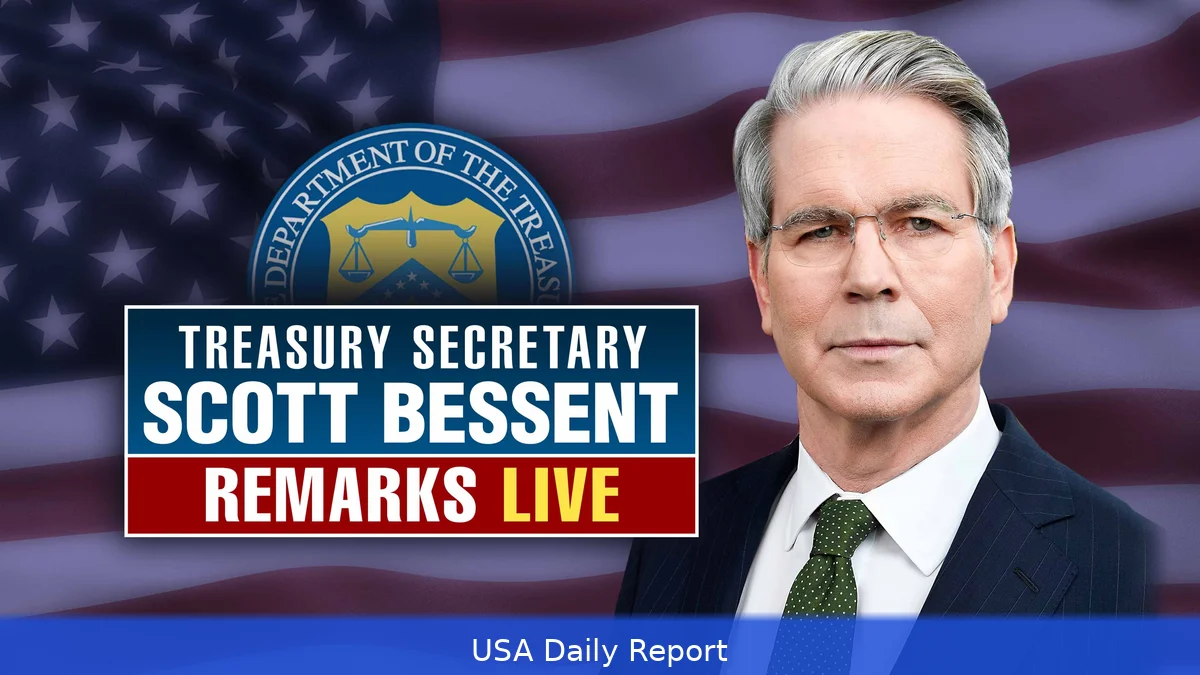
At a heated congressional hearing, Treasury Secretary Scott Bessent suggested easing regulations on smaller banks and mentioned possibly changing how the Federal Reserve and Treasury work together, similar to the Bank of England's setup. But he didn’t provide many details, and the hearing got pretty heated with lawmakers.
Bessent’s Push for Deregulation
At a recent House Financial Services Committee hearing, Treasury Secretary Scott Bessent urged for rolling back regulations on the smallest banks, though he stopped short of laying out concrete policy steps. His remarks came amid a backdrop of growing frustration among lawmakers about the pace and scope of banking oversight.
"Regulation by reflex has led to a regulatory myopia that has undermined safety and soundness," Bessent said, criticizing what he characterized as overly cautious post-crisis rules. He pointed to Biden-era policies that focused heavily on reputation and climate-related risks, which some argue contributed to the collapse of Silicon Valley Bank earlier this year.
“Economic stagnation is itself a threat to financial stability,” Bessent added, warning that excessive rules could choke growth.
Contentious Congressional Exchanges
The hearing wasn’t just about policy—it quickly became a battleground. Bessent sparred with Democratic lawmakers, especially Rep. Gregory Meeks of New York, who accused him of acting as a loyalist to former President Donald Trump.
At one heated moment, Meeks shouted, "Stop being his flunky," underscoring the political tensions clouding the debate over banking regulations.
There was particular focus on crypto-related issues, with Meeks pressing Bessent on whether the Treasury would scrutinize applications from World Liberty Financial, a crypto firm with ties to Trump seeking a bank charter. The back-and-forth stretched beyond the usual time limits, highlighting the deep divisions on oversight approaches.
Reimagining Fed-Treasury Relations
Beyond deregulation, Bessent floated the idea of reshaping how the Federal Reserve and Treasury Department work together. He referenced the Bank of England’s model, where close coordination between monetary and fiscal authorities is designed to enhance financial stability and streamline crisis response.
Though he didn’t go into specifics, Bessent’s idea could mean the Treasury takes a bigger role in economic policy alongside the Fed.
This marks a departure from the more independent posture the Fed has traditionally maintained in U.S. Policy.
This change might affect how we handle future financial crises, especially with new challenges like cryptocurrencies and climate-related risks.
Political and Regulatory Headwinds
Still, Bessent’s vision faces obstacles. The House banking package championed by Rep. French Hill, aimed at helping community banks, has been overshadowed by legislative focus on crypto and other pressing issues. Bessent’s own agency, the Financial Stability Oversight Council, must also balance deregulation with its mandate to prevent systemic risk.
“FSOC should avoid creating a zero-risk financial system, which others have called ‘the stability of the graveyard,’” Bessent said. His words suggest a desire to accept some risk to encourage innovation and growth, but the challenge will be in setting the right limits.
With the Treasury considering changes to its ties with the Fed and loosening rules for small banks, the fight over financial regulation in Washington is as intense as ever, making the future of U.S. banking policy unclear.


