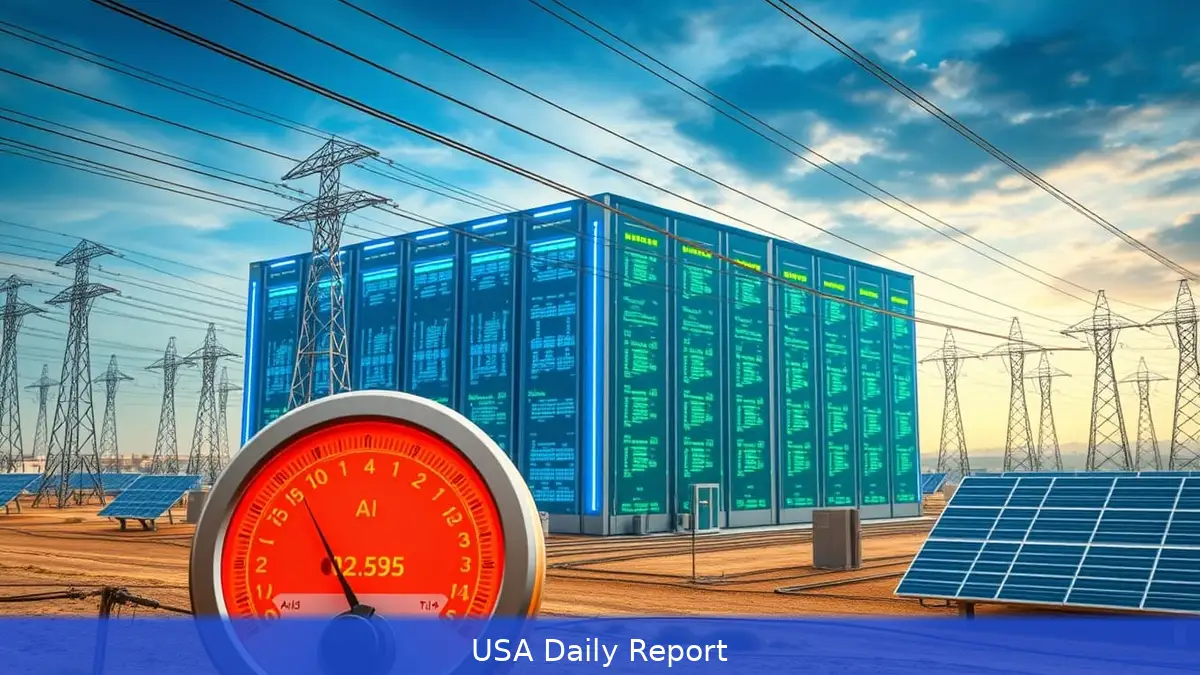
AI development is changing tech, but it's also pushing prices up across the economy. Experts at IFM Investors say inflation from AI infrastructure and energy use could stick around for decades.
Inflation’s New Driver: AI Infrastructure
Diesel prices soared during the last energy crunch, but now a new inflation pulse is emerging — not from oil, but from the fast-growing demand for AI technology. Data centers, servers, and chips that run AI need a lot of electricity and costly parts. That’s pushing up costs for everything from electricity bills to computer hardware.
Phillip Colmar, a global strategist at MRB Partners, explained that The inflationary pressure is often overlooked. He says AI-related capital expenditures are raising prices for goods tied to tech infrastructure. Productivity gains expected to lower prices have yet to show up, and any cost savings from AI automation could take years to appear.
"The AI boom is likely to be inflationary for a number of years before any meaningful disinflationary benefits are realized," Colmar noted. So, consumers and businesses might face higher costs in the near to mid-term as AI grows.
Why Inflation Could Stick Around
A few factors are making this inflation surge tougher to shake than previous ones.
The economy is operating above its full potential, with labor markets tight and output high. On top of that, ongoing trade tensions have reversed decades of globalization, removing a key disinflationary force that kept prices in check.
Fed Chair Jerome Powell echoed these concerns recently. He pointed out that the rapid spread of data centers is pushing up costs for goods and services required to build and maintain them.
While some had hoped AI would slash costs through productivity, Powell said the immediate effect is price pressure.
Energy costs, especially electricity, remain a key input in AI infrastructure. As data centers multiply, so does their demand for power. That means energy bills could keep climbing, feeding inflationary forces.
What This Means for Investors
Higher inflation tends to push interest rates up. That’s bad news for growth stocks and cryptocurrencies, which have soared on cheap money and optimistic forecasts. Colmar warned that investors have yet to fully price in a structurally higher inflation environment. When they do, he expects a correction in these bubbly asset classes.
Investors might want to focus on companies with pricing power — those that can pass rising costs to customers without hurting their profits. Mining companies producing critical materials for AI, like copper, stand out. Freeport-McMoRan, a major copper producer, plans to increase output by 60% over the next decade, potentially benefiting from the AI data center buildout.
Another bottleneck is the supply of memory chips, vital for AI performance. Demand for high-bandwidth memory far exceeds supply, creating a choke point that keeps prices elevated. Micron Technology, a top U.S. Memory chip maker, is well-positioned to profit from this scarcity.
Long-Term Inflation Risks
MRB Partners’ analysis suggests that inflation driven by AI and energy costs could last decades. That’s a big shift from the deflationary hopes tied to technology advances. The costs to build and power AI infrastructure are real and rising.
At the same time, the reversal of globalization means fewer cheap imports to hold down prices. Combined, these trends could reshape inflation dynamics for years to come.
Investors and policymakers alike face new challenges. For the Fed, higher inflation means interest rates may stay elevated longer, complicating economic growth. For markets, the era of ultra-cheap capital fueling tech booms might be ending.
We're already seeing AI's effect on inflation, and it could change markets and prices for years. How investors adjust to this new reality will be a key story in the years ahead.


