
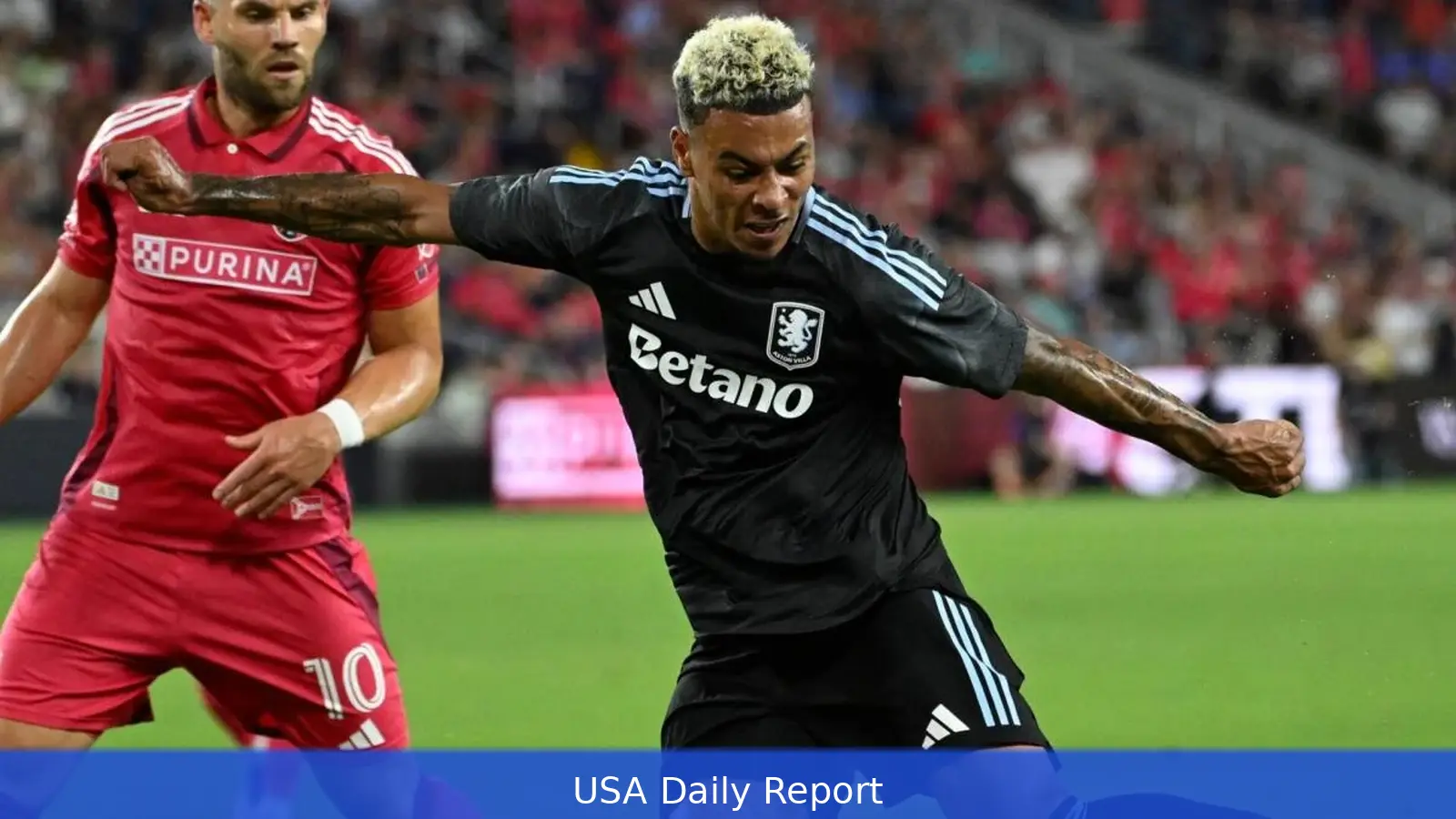
Freiburg chased the club's first major trophy when it met Aston Villa in the UEFA Europa League final at Besiktas Park in Istanbul on May 20, 2026. The match crowned the end of Villa's long European campaign under Unai Emery and marked Freiburg's first appearance in a UEFA final. Villa reached the showpiece after overturning a first-leg deficit to beat Nottingham Forest 4-1 on aggregate, while Freiburg advanced by edging Braga 4-3 on aggregate. Reports during the buildup noted a Villa victory could also affect the distribution of Champions League places from the Premier League next season.
The read coming into the final was straightforward. Aston Villa arrived as the experienced contender with a manager who has repeatedly proven himself in this competition. Freiburg turned up as an underdog pursuing history. Both facts mattered as much as form or fitness on the eve of the match.
How both teams arrived
Villa's route to Istanbul carried the weight of expectation. Unai Emery, who has won the Europa League multiple times and who has coached more matches in the competition than most managers, had guided the club through a long continental campaign. The semifinal showed Villa's resilience. After losing the first leg to Nottingham Forest, Villa overturned that deficit and advanced 4-1 on aggregate.
Freiburg's progression was narrower but no less dramatic. The German side scraped past Braga, advancing 4-3 on aggregate to reach its first UEFA final. The achievement showd why Freiburg were viewed sympathetically by neutrals and feared by opponents. For a club that has rarely stood on the continent's biggest secondary stage, the final represented an opportunity to land the first major trophy in its 122-year history.
Timing added texture to the matchup. Villa had just beaten Liverpool 4-2 in the Premier League, a result that secured their place in next season's UEFA Champions League before they even set foot in Istanbul. That conclusion to their domestic campaign removed one kind of pressure. But it also raised stakes, because reports during the buildup noted a Villa win in the final could shift the distribution of Champions League places from the Premier League next season if league positions moved as a consequence.
Tactics, selection and storylines
Emery stuck with continuity. He named an unchanged starting eleven from the Liverpool match, keeping Emiliano Martinez in goal and Ollie Watkins leading the attack. That selection signaled confidence in the spine that had produced recent high-scoring performances.
The manager set his team up to press and attack through wide players and midfield runners, leaning on the attacking shape that had delivered results in the closing weeks of the Premier League season.

Freiburg answered with compact defending and a plan built on quick transitions. Igor Matanovic spearheaded their line. The Croatia international finished the season with 16 goals for club and country, and his finishing and movement were principal reasons Freiburg had advanced through the knockout rounds. Vincenzo Grifo offered creativity on the opposite flank and the pair combined to turn turnovers into chances on the break.
Selection nuances mattered. Amadou Onana was named among the substitutes as he continued to manage a knee issue. Tammy Abraham returned to the Istanbul venue after his January move to Villa, a personal subplot that added color to the occasion. Freiburg started with Noah Atubolu in goal and a defensive spine featuring Philipp Lienhart and Nico Schlotterbeck's usual partners, a lineup built to resist Villa's wide pressure and to spring counterattacks.
Emery kept the tone measured in his public comments. "I am not a king in this competition," he said, adding that he needed to win with "the players we have now, with Villa now." The remark summed up his pragmatic approach. His Europa League résumé put Villa among the favorites on paper, but he refused to treat the final as a coronation.
The venue and date were fixed. Besiktas Park in Istanbul hosted the final on May 20, 2026.
For Freiburg, the location was irrelevant compared with the chance on offer. For Villa, it was the logical endpoint of a season that had already delivered Champions League football and a renewed sense of continental ambition under Emery.
The matchup posed a straightforward strategic test. Villa wanted to dominate possession, force turnovers high up the pitch, and let runners from midfield and wide areas feed Watkins. Freiburg wanted to remain compact, limit Villa's time in dangerous areas, and use Matanovic and Grifo to punish any space left on the counter. The contrast of styles made the final less a battle of stars and more a contest of shapes and discipline.
There were other storylines too. Emery's personal Europa League record kept attention on managerial pedigree. Freiburg's first final in UEFA competition framed the contest as a defining moment in the club's modern history. And the preexisting Champions League qualification for Villa complicated how the result might ripple through next season's continental allocations.
Neither side walked into the final as a simple favorite. Villa carried experience and recent scoring form.
Freiburg carried belief and a season-defining striker. What both teams wanted was clear: the competition's trophy and the concrete reward that comes with lifting it.
Related Articles
- Yankees rally with two homers, win 7-6
- Carlos Alcaraz Withdraws From Roland-Garros 2026
- Sevilla 0-1 Real Madrid: Survival Delayed
The May 20 final in Istanbul pits Emery's Europa pedigree against Freiburg's first UEFA final appearance. The winner lifts the trophy, and a Villa victory could change how Premier League Champions League slots are allocated next season.
This article was created with AI assistance.


