
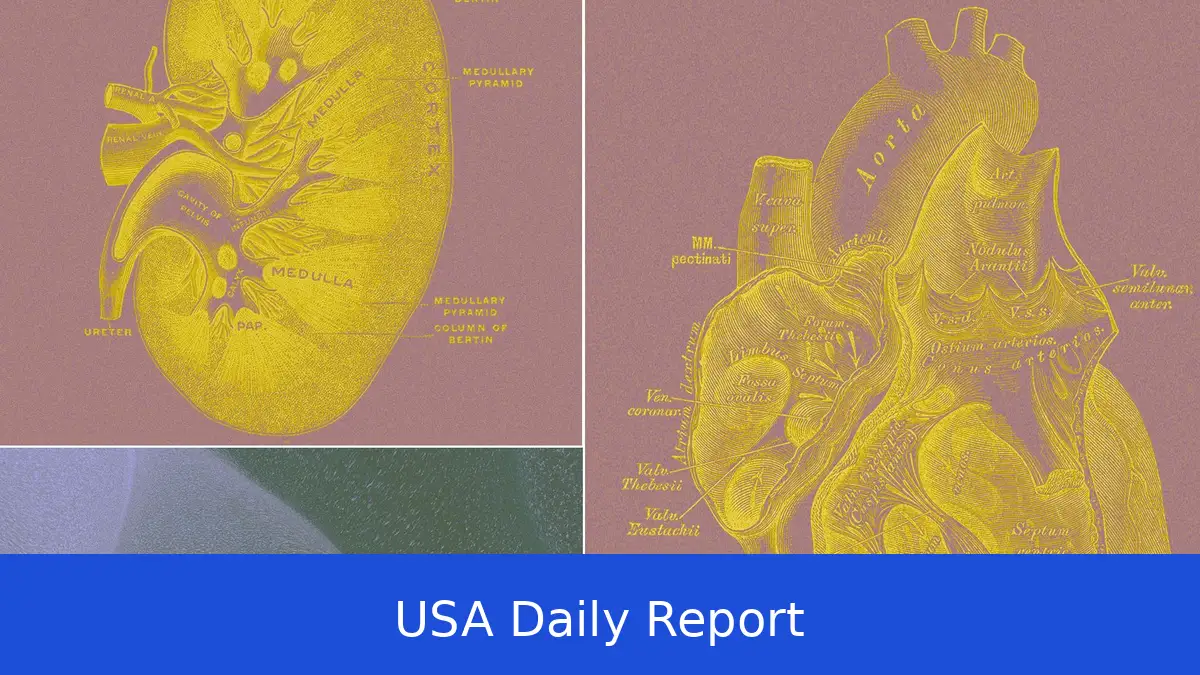
A Bay Area biotech startup is working on 'organ sacks'—clusters of organs without brains—to replace live animal testing. These lab-grown systems might change drug testing and could eventually provide organs for transplant.
Replacing Animals with Lab-Grown Organs
R3 Bio, a startup quietly gaining traction among investors, is pushing the idea that testing drugs on living animals—especially monkeys—might soon be a thing of the past. Their pitch centers around 'organ sacks'—clusters of organs engineered without brains, so they can't think or feel pain. The goal is to sidestep the ethical concerns that come with animal testing while providing researchers with complex, functional organ systems.
"We're designing these organ sacks to include all the key organs researchers need, minus the brain," said Alice Gilman, R3 Bio’s cofounder. "It's not about missing parts; it's about only including what’s necessary for testing."
Currently, the company is focused on monkey organ sacks, since monkeys have long been the gold standard for preclinical testing of vaccines and treatments. But with monkey populations for research shrinking in the U.S., R3 Bio sees a window of opportunity.
Why Monkeys Are Becoming Scarce
Monkeys played a critical role during the COVID-19 pandemic, helping scientists test vaccines and therapies before human trials. But their availability is dropping fast. China’s 2020 ban on exporting nonhuman primates has tightened supply, while ethical debates in the U.S.
Are prompting some primate research centers to consider shutting down or shifting to sanctuaries.

The CDC is gradually ending monkey research as part of a wider federal effort to cut down on animal testing. With fewer monkeys available, testing new drugs quickly during a health crisis becomes harder.
That’s where organ sacks come in. They could offer a scalable, ethical alternative that doesn’t rely on live animals but still mimics the complexity of whole organs, including blood vessels, which simpler tissue models can’t replicate.
The Science Behind Organ Sacks
Organ-on-a-chip tech exists but mostly uses single tissues or cells, missing the complexity of whole organs. R3 Bio’s approach aims to build entire organ systems—sans brain—to capture more accurate biological responses.
While the startup hasn't yet produced monkey organ sacks, Gilman says mouse organ sacks without brains are already possible. The idea is to grow these organ clusters in the lab so they can respond to drugs the way real organs would, but without the ethical baggage.
John Schloendorn, R3’s cofounder, avoids calling these structures 'brainless,' preferring to emphasize their design. "We're not taking anything away," he said. "We're building exactly what’s needed for testing."
Looking Ahead: From Testing to Transplants
Long term, R3 Bio envisions human versions of organ sacks that could serve as sources of tissues and organs for transplantation. The concept aligns with a growing trend in biotech aimed at replacing failing body parts with lab-grown alternatives.
Investor Boyang Wang, CEO of Singapore’s Immortal Dragons longevity fund, sees this replacement strategy as key to treating diseases and aging. "Repairing damaged organs is great, but replacement could be better," Wang said. "A nonsentient, headless bodyoid could provide a plentiful supply of organs for patients in need."
The technology is new, and scaling production while making sure organ sacks act like real organs is still tough. But given the shrinking supply of research monkeys and the ethical push against animal testing, R3 Bio might be onto something big.
Related Articles
- Apple ships 9 products in March; M5 drives Mac refresh
- FIDO forms two groups to secure payments made by AI agents
- Nasdaq Slips into Correction; Nasdaq 100 Down 11%
As animal testing declines and ethical alternatives gain interest, R3 Bio's organ sacks might fill an important gap. It's too soon to tell if they'll succeed, but the push to create scalable, brain-free organ systems is underway.
This article was created with AI assistance.


