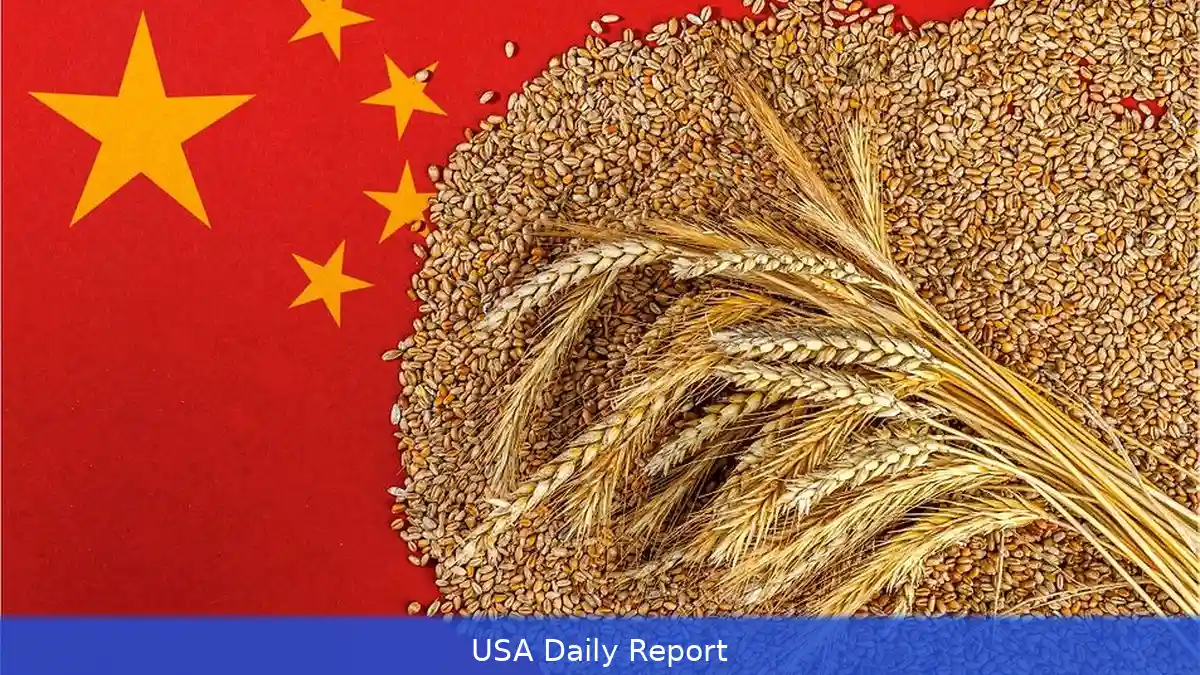
China seems to be encouraging private grain companies to get behind a new whole-grain initiative. The government aims to boost healthier eating habits while securing food supply chains in a challenging global market.
Government Drives Whole-Grain Policy
China’s agriculture ministry has called on private grain firms to align with the state’s push for whole-grain consumption. Officials want companies to increase production, processing, and distribution of whole grains, moving away from refined grains that dominate the market.
This campaign aims to boost public health and cut down on imports. Whole grains are linked to lower risks of chronic diseases, and the government hopes wider availability can change eating patterns nationwide.
Meanwhile, China is under pressure to keep its food supplies steady because of global tensions and trade issues. Encouraging domestic whole-grain production could help cushion the country from global market shocks.
Private Sector’s Role and Challenges
Private grain companies are becoming a bigger part of China's farming scene. Their ability to innovate and scale production is seen as vital to the success of the whole-grain policy.
But the shift requires significant investment in new milling equipment, supply chain restructuring, and consumer marketing.
Some companies have started trying out whole-grain products, but they still face hurdles. Consumer preferences still favor white rice and refined wheat products, which dominate the market. Pricing pressures and lack of consumer awareness can hinder demand for whole grains.
On top of that, supply logistics in rural and urban areas vary greatly. Efficiently distributing whole-grain products nationwide is no small task, especially in less developed regions.
Global Context and Implications
China's efforts come at a time when global grain markets are struggling.
Export disruptions in South America and trade tensions with the U.S. Add uncertainty to imports of soybeans and corn, staples that complement China’s grain needs.
Brazil’s recent indigenous protests and infrastructure problems have slowed shipments of soybeans through key Amazon ports, creating ripple effects for global buyers including China. That makes domestic grain production and diversification more urgent.
At the same time, China's AI progress shows a bigger push for self-reliance, especially with U.S. export restrictions. The grain policy ties into this mindset—less dependence on foreign imports, more domestic innovation and control.
Analysts suggest China's focus on whole grains might change how agricultural trade works. If successful, it might reduce China’s reliance on U.S.
Soy and corn, impacting global markets and trade dynamics.
Looking Ahead
Private grain firms have a major opportunity but face a steep climb. Aligning with government policy means investing in new products and educating consumers.
Whether China can change its eating habits and keep food secure will be a major story in farming worldwide. The government’s whole-grain drive is a bold test of public-private cooperation in a complex and uncertain food environment.
China’s push for whole grains signals a major shift in its food policy—one tied to health, security, and economic strategy. The private sector’s response could reshape both domestic markets and global grain trade for years to come.


