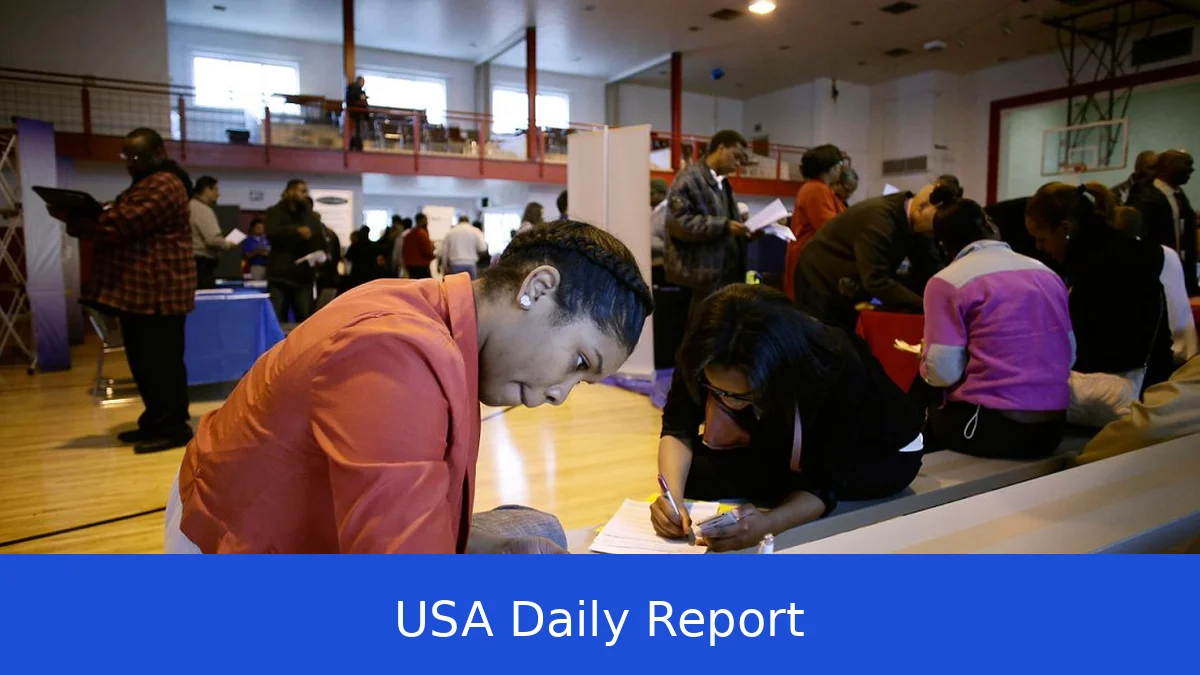
Only 28% of U.S. Workers say it's a good time to find a quality job, a steep fall from 70% just a few years ago. Even though unemployment rates are low, the hiring scene is tough, especially for younger folks and college grads.
Job Market Sentiment Takes a Dark Turn
In the last quarter of 2025, Gallup's latest survey revealed a stark drop in Americans' confidence about finding good jobs. Just 28% of workers felt optimistic about their chances, while a hefty 72% said it’s a bad time to look. That’s a dramatic reversal from mid-2022, when 70% believed the job market was in their favor.
The speed of this change really stands out. Only a year earlier, in late 2024, nearly half of workers still saw the job market positively. This quick slide happened well before the Iran conflict pushed up oil and gas prices, which could further squeeze economic growth.
White-Collar Workers Feel the Heat
College graduates are among the most discouraged. Just 19% of degree holders now think it's a good time to find a quality job, compared to 35% of those without a college degree. Gallup’s data marks the lowest job market optimism for college grads since 2013 and shows the widest gap in sentiment between educated and non-educated workers since the question was first asked in 2001.
White-collar sectors have been hit hard by weak hiring over the last two years, particularly in software, advertising, and customer service. Many companies have cut back on adding new staff, leaving recent graduates and those seeking career moves stuck on the sidelines.
Young Workers Struggle Most
Age also plays a role in job market outlook. Only about 20% of workers aged 18 to 34 see now as a good time to find a job. That compares with roughly 40% of workers aged 65 and older who feel positive about job prospects. The explanation lies partly in what economists call a "low-hire, low-fire" market. Employers are holding onto current staff, keeping layoffs low, but new hiring remains sluggish.
So, older workers tend to have more job security, but younger ones struggle to break into the workforce.
Gallup’s survey also found younger workers are more actively searching or watching for job opportunities. Most Gen Z and Millennials say they’re on the lookout for new roles, while about 75% of baby boomers say they’re not seeking jobs at all.
Broader Economic Mood Reflects Job Market Woes
Other polls have shown Americans have a generally bleak view of the economy, despite low unemployment and modest growth figures. The slow hiring pace likely contributes to this mood, as workers feel stuck and uncertain about their futures.
People are questioning the economy’s long-term health because, while employment is steady, hiring remains weak. If companies aren’t expanding payrolls, it could signal caution about future growth or lingering challenges in certain sectors.
Rising energy prices from geopolitical tensions could force consumers to spend more on fuel and less on other things. That could slow economic momentum further, adding to worker anxiety.
The Gallup survey’s findings reveal a job market that’s far from booming despite low unemployment numbers. Younger and college-educated workers face the brunt of this gloom, caught in a hiring freeze that could shape the economy’s path in 2026.


