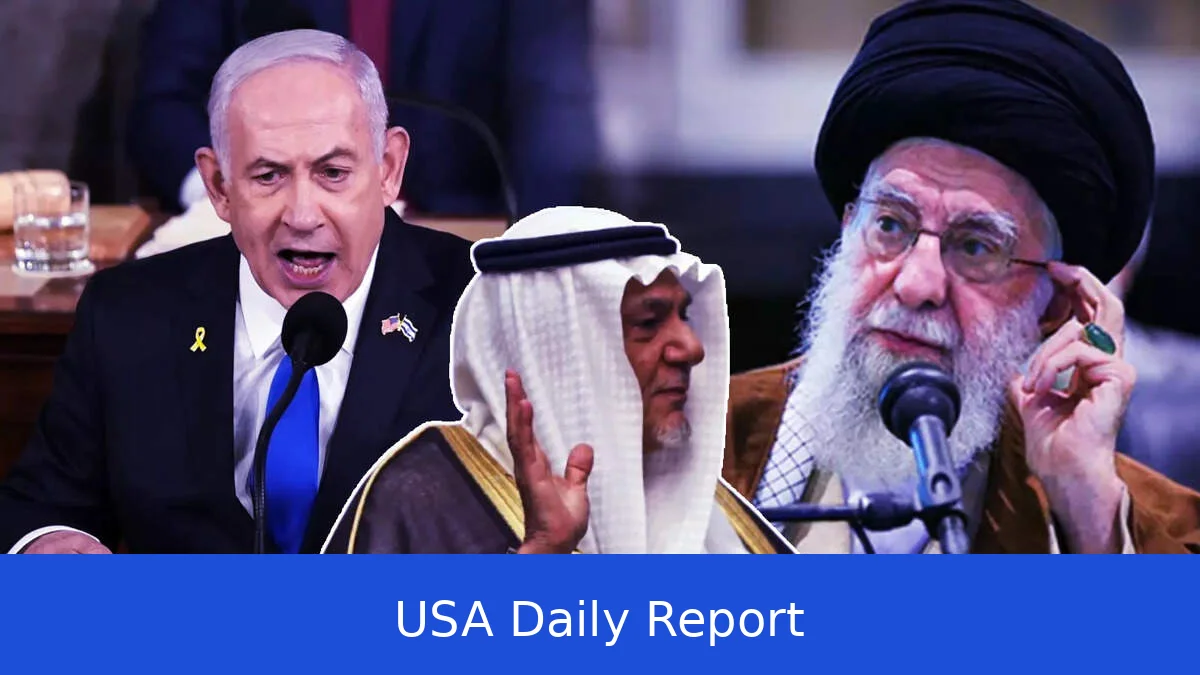
Missiles flew over the UAE skies, social media buzzed with fears, and global markets jittered. The war between the U.S. And Iran is no longer just a regional conflict—it’s rattling oil routes, financial hubs, and investor confidence worldwide.
Energy Markets on Edge as Strait of Hormuz Tensions Mount
The Strait of Hormuz remains a major flashpoint in the Iran war fallout. About one-fifth of the world’s oil supply passes through this narrow waterway, making it critical to global energy security. When Iran launched ballistic missiles and drones targeting the UAE, the risk to shipping lanes skyrocketed.
Even though most missiles were intercepted or fell into the sea, the threat alone has sent ripples through energy markets. Oil prices spiked as traders priced in potential supply disruptions. The U.S. Has urged other nations dependent on this route to help secure it, signaling mounting pressure on Washington to manage the crisis.
Chinese social media users have latched onto the situation with sharp satire. AI-generated memes mock the U.S. Role in the conflict, highlighting the economic fallout and the chaos in the Hormuz Strait. These online reactions underline how deeply the conflict resonates beyond the battlefield, impacting perceptions of U.S. Power and global stability.
Dubai’s Financial Hub Status Faces a Stress Test
Dubai has long been the Middle East’s magnet for foreign investment and tourism. The city transformed from a modest fishing village to a bustling financial oasis, drawing billions in foreign capital and millions of expats and visitors annually.
But the Iran war threatens to shake that image.
Videos purportedly showing the Burj Khalifa on fire went viral, though they were AI fabrications. Still, the missile and drone attacks showd the real dangers facing the UAE. Analysts warn Dubai’s reputation as a stable haven is at risk, especially given the unpredictable tone from Washington and Tehran.
Yet, many expats in Dubai remain unfazed. Businesses and public venues continue normal operations. British businessman Simon Barr said Dubai remains safer than many global cities despite the attacks. The British Chamber of Commerce notes residents are stoic but aware these are rare security challenges.
Human Cost and Political Fallout Fuel Market Uncertainty
The conflict’s human toll also weighs on economic stability. Over 1,200 Iranians and 13 U.S. Service members have died so far. Controversy erupted after a U.S. Missile strike hit a girls’ school in Minab, killing more than 165 civilians, many children. An ongoing military investigation points to outdated intelligence influencing the strike, fueling criticism in Washington and abroad.
Senator John Kennedy called the strike a “terrible mistake” and apologized for civilian deaths. The incident adds political pressure on U.S. Lawmakers already questioning the administration’s handling of the war, increasing uncertainty for investors watching from the sidelines.
President Trump’s declaration of war against Iran and use of military powers without congressional approval raised fears of escalation and even talk of a draft, though experts dismiss those as unfounded. The volatile rhetoric and swift military actions have unsettled markets sensitive to geopolitical risks.
Global Economic Implications: What Investors Should Watch
The Iran conflict’s reach goes beyond the Middle East. It threatens to disrupt trade flows, energy supplies, and investor confidence worldwide. Financial centers like Dubai could see money leaving the country if instability worsens. Energy price volatility could ripple through inflation, squeezing consumers and businesses alike.
China’s public mocking of U.S. Leadership via AI memes also signals a broader challenge to American influence, with implications for global alliances and economic partnerships. Trade routes and shipping insurance costs might rise, raising operational expenses for international companies.
Markets will be closely watching diplomatic efforts to de-escalate tensions. Any prolonged conflict risks further shocks to oil prices, stock markets, and currency valuations. Investors might face a tough environment marked by uncertainty and rapid developments.
Dubai’s resilience so far contrasts with the growing unease elsewhere. The war’s fallout is already reshaping energy markets and testing financial hubs. How this crisis unfolds will have big consequences for global economic stability in the months ahead.


