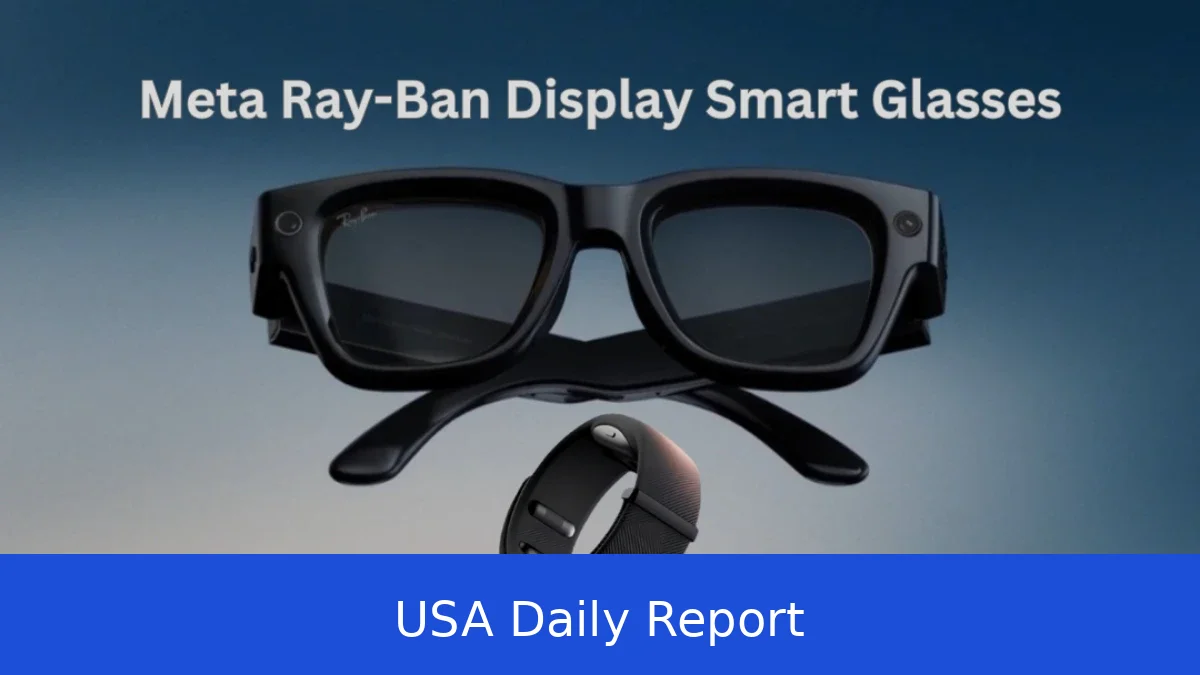
Meta’s AI-powered Ray-Ban smart glasses sold more than 7 million units last year, tripling previous sales. But their rise is sparking privacy fears and a social backlash, especially over how users record strangers without consent.
Sales Soar as Wearable AI Gains Traction
EssilorLuxottica, the eyewear giant behind Ray-Ban and Oakley, reported a massive jump in sales of Meta’s AI glasses in 2025. The company sold over 7 million pairs last year, a sharp increase from the combined 2 million sold in 2023 and 2024. This surge signals growing consumer appetite for wearable AI devices blending tech with fashion.
“Our success in wearables is helping to propel the AI-glasses revolution,” EssilorLuxottica said, pointing to their iconic brands as key drivers of demand. The partnership with Meta started in 2019, but the glasses really caught on after the second-generation launch in 2023, which introduced hand gesture controls and neural tech.
The latest Ray-Ban model retails for $799 and features a discreet display embedded in one lens. Despite plans to launch internationally in early 2026, Meta pushed back the rollout due to unexpectedly strong U.S. Demand. Bloomberg recently reported talks between the companies to double production to 20 million pairs this year.
From Fashion to Controversy: The Privacy Debate
Wild part? The glasses come with a dark side. The devices can record video from the wearer’s perspective, often without those recorded realizing it.
That’s causing unease — and plenty of conflict.
Joy Hui Lin, a Paris-based book researcher, shared a tense moment when two young men wearing Meta Ray-Bans followed her on the street. They recorded her without asking and then wanted permission to post the clip online. Lin called it a violation and said the men seemed clueless about how intrusive it felt.
Her experience isn’t isolated. Social media is flooded with footage shot through these glasses, sometimes showcasing harmless street interviews but often featuring invasive or juvenile content. Influencers with millions of followers have used the glasses to film unsolicited interactions, especially attempts to hit on women in public. The resulting nickname for the glasses? “Pervert glasses.”
These incidents echo the backlash Google Glass faced a decade ago, but the Meta Ray-Bans are more popular and less conspicuous. They retail between $299 and $499, making them more accessible. Still, the privacy concerns run deep.
AI, Surveillance, and Legal Challenges
The Meta glasses don’t just capture video. They’re connected to AI systems that can analyze and send footage back to Meta. Investigations revealed overseas contractors sometimes review these videos, which include sensitive and private moments people didn’t expect to be recorded or shared. Such revelations have sparked ongoing lawsuits and consumer protection probes.
Meta’s app collects footage for AI training, broadening the scope for data use beyond just the wearer’s device. The company aims to expand these AI features, raising questions about how much control users and those around them truly have.
At the same time, Meta renewed its long-term partnership with EssilorLuxottica to keep developing these products through the next decade. The tech and fashion worlds seem set on merging further, despite the social and legal pushback.
These glasses mix style, tech, and controversy, showing how wearable AI is becoming part of everyday life. With sales going up, people are paying more attention to who’s being recorded and where that data ends up in our connected world.
Meta sold 8 million Ray-Ban AI glasses last year, and demand doesn’t seem to be slowing. Still, their popularity brings up serious questions about privacy, consent, and public surveillance that could change how we use wearable tech and interact socially.


