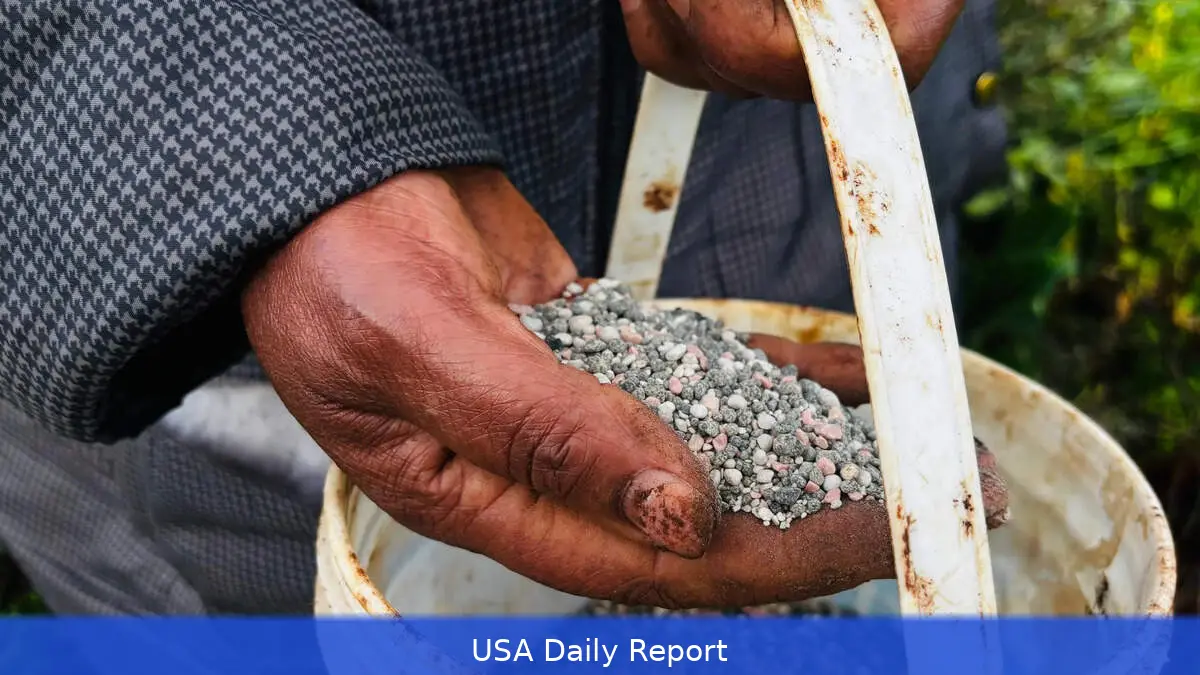
More than a third of the world’s fertilizer passes through the Strait of Hormuz, a narrow strategic waterway now choked by the ongoing war involving Iran. The fallout is already pushing fertilizer prices up by 30% in some markets, raising alarms about global food costs and inflation.
Fertilizer Bottlenecks Hit as War Halts Shipping
The Strait of Hormuz, a critical artery for global trade, has seen a near shutdown of commercial traffic since the Iran conflict flared last month. This waterway connects the Persian Gulf to the Gulf of Oman and handles a massive share of fertilizer shipments. Fertilizer, especially nitrogen-based types like urea, is a key input for crops such as corn, wheat, soybeans, and rice.
Farmers in the Northern Hemisphere are gearing up for spring planting—a window when fertilizer is essential. Any disruption now could mean lower application rates, leading to smaller crop yields later this year and higher costs for agricultural producers.
Prices for urea fertilizer imports into the U.S. Jumped about 30% between late February and early March, coinciding with the outbreak of hostilities. That spike reflects both immediate supply chain snarls and growing market anxiety over future availability.
Ripple Effects Reach Far Beyond Fertilizer
But the crisis isn’t just about fertilizer. The conflict has also sent oil and natural gas prices soaring. Since raw materials like natural gas are vital for fertilizer production, this compounds the problem. Plants in countries such as India, Pakistan, and Bangladesh have already halted fertilizer production, hampering local supply.
The U.S. Depends on imports for roughly 20% of its fertilizer needs, sourcing from places like Canada, Trinidad and Tobago, and Russia. Yet the Gulf countries—Saudi Arabia, UAE, Kuwait, and Iran—are major producers of raw ingredients needed worldwide. Losing these supplies creates a shortfall with no easy substitute.
Unlike oil, which has strategic reserves, fertilizer lacks global stockpiles to cushion shocks. That means shortages could last longer and spread faster.
Who’s Most At Risk?
The pain will be sharpest in South Asia and East Africa, regions heavily reliant on imported fertilizer. Bangladesh, India, Pakistan, Sri Lanka, Sudan, Kenya, and Somalia face immediate shortages, with planting seasons already underway or starting soon.
Farmers worry if the war drags on, their next planting cycles could be under threat. In India, for example, the summer planting season kicks off in June, so preparations must start now. The uncertainty is causing concern among agricultural communities and policymakers alike.
Food Prices and Inflation: The Bigger Picture
Higher fertilizer costs don’t stay on the farm. They trickle down through the food supply chain, pushing up prices at grocery stores. U.S. Food-at-home inflation rose 2.4% year over year in February, and experts warn fertilizer disruptions could add roughly 2 percentage points more to that figure.
That would add about 0.15 percentage points to overall U.S. Inflation, on top of increases driven by energy costs. The war’s impact on food prices could be the next big inflation challenge policymakers face, following energy’s recent role.
Plus, agriculture relies heavily on oil—not just for fertilizer but also for machinery and transportation. Rising fuel prices mean higher costs to plant, harvest, and move crops. The combined effect could squeeze food production and supply.
In some regions, food shortages may worsen already fragile conditions, with risks of hunger and social unrest. The global economy could feel the pinch through higher consumer prices and disrupted trade flows.
While past crises like the 2022 Russia-Ukraine war forced countries to seek alternative fertilizer sources, experts say no quick fixes exist this time. This Gulf’s exports can’t easily be replaced, especially with multiple countries involved in the conflict and sanctions complicating trade.
That makes the Iran war a unique threat to the global food system, one that will test governments, farmers, and markets in the months ahead.
The war’s chokehold on the Strait of Hormuz is more than a regional crisis—it’s a global economic jolt. Fertilizer shortages and soaring input costs are set to ripple through food markets worldwide, raising tough questions about supply, inflation, and food security as planting seasons move forward.


