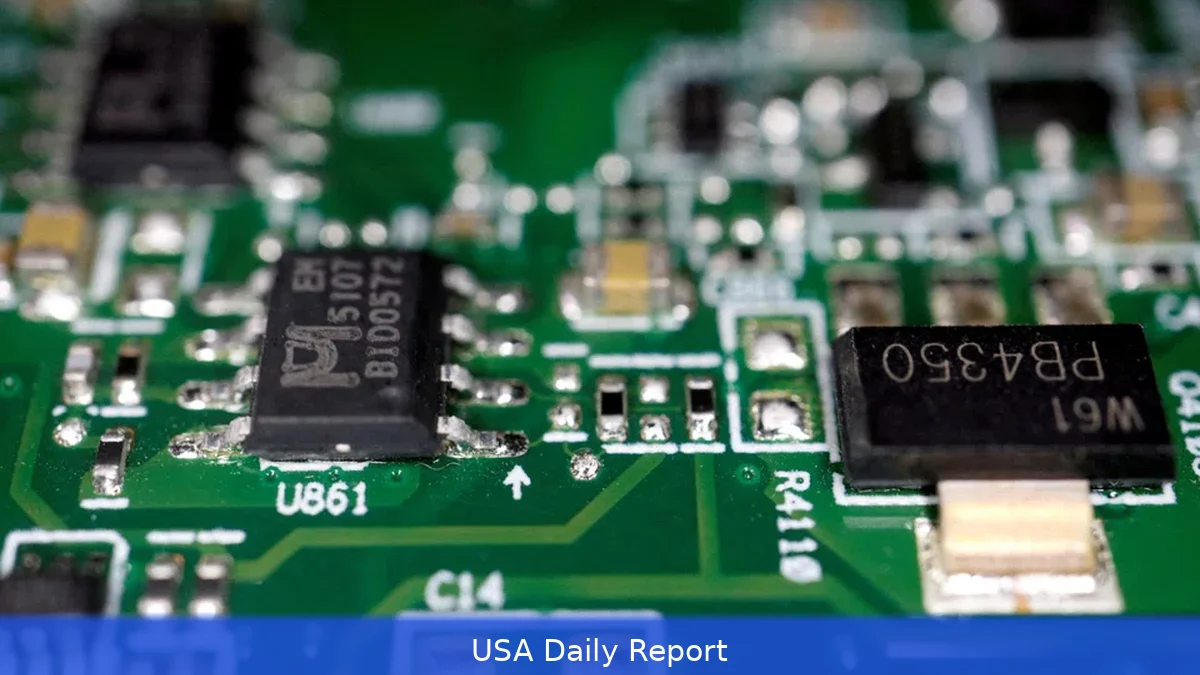
Helium, an important but often ignored resource, is becoming scarce amid rising tensions in the Middle East. For the semiconductor industry—already strained by energy worries—this invisible bottleneck could disrupt chip production and send ripples through the AI sector.
Energy and Materials Under Threat
Chip manufacturing demands steady power and rare materials to keep running without issues. Taiwan and South Korea, hotspots for semiconductor production, rely heavily on energy imports passing through the Strait of Hormuz. That route handles much of the crude oil and natural gas fueling their power plants. Any hiccup there puts the lights—and the fabs—at risk.
Taiwan faces a particularly fragile energy situation. Analysts note the island has barely 11 days’ worth of liquefied natural gas reserves. That means a supply disruption could slam the brakes on factories. Semiconductor fabs can’t just pause and pick up later; they need nonstop, stable electricity. Even a brief blackout or voltage drop can ruin entire batches of wafers, wasting millions in materials and time.
Helium: The Hidden Risk
Amid the focus on energy, helium’s role often flies under the radar. Yet it’s essential in semiconductor fabrication, particularly for cooling and other precision processes. The Middle East conflict threatens helium supplies too, since the region is one of the globe’s key sources for this rare gas.
You can’t easily stockpile or replace helium. A shortage could slow down chip production and push costs higher. That would add to the already tight global chip market, which faces rising demand from AI development and other tech sectors.
Potential Industry Fallout
Barclays research warns the ongoing conflict could trigger a “black swan” event for chip supply. If energy and raw material disruptions stretch into months, chip output might nosedive just as demand keeps climbing.
This imbalance could push chip prices up and slow down AI projects around the world.
For companies building AI infrastructure, even small supply hiccups can create headaches. Delayed chip deliveries mean postponed product launches and higher costs. It also clouds long-term planning, as firms can’t predict when supplies will stabilize.
This isn’t the first time semiconductor production has faced shocks. The industry has battled supply chain snarls during the COVID-19 pandemic and weathered trade tensions. But a helium shortage combined with energy instability adds a new layer of complexity.
Why It Matters to Investors
The chip sector drives much of today’s tech innovation—from smartphones to AI systems. Investors need to watch how geopolitical tensions ripple through supply chains. The costs of production disruptions may squeeze margins for chipmakers, and higher prices could slow device sales.
Fluctuating energy supplies and rare material shortages show how fragile global supply chains really are. Companies with diversified energy sources or alternative materials might fare better. But for most fabs, the stakes are high.
Ultimately, the Middle East conflict affects more than just the region. It’s a stress test for the global tech economy. The question is how long the tensions last—and how deep their impact runs.
Taiwan’s semiconductor industry alone accounts for over 10% of the island’s electricity use, underscoring how tightly linked chip production is to energy stability. As the Middle East conflict drags on, the helium shortage adds another invisible choke point that could reshape the future of AI hardware.


