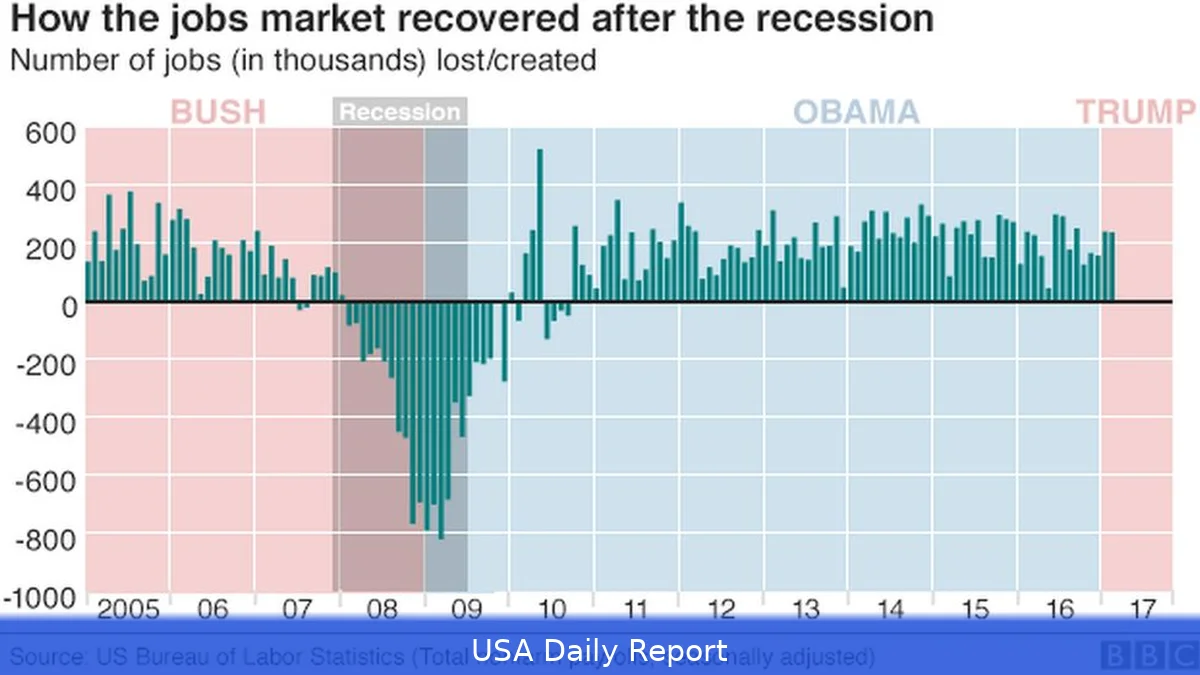
In February, the U.S. labor market lost 92,000 jobs, marking its biggest drop since the pandemic started. But signs are pointing to a bounce back in March, as strike disruptions and harsh winter weather eased.
February’s Job Losses Show Labor Market Fragility
Last month, U.S. Employers cut 92,000 jobs, a sharp reversal from January’s modest gains. The unemployment rate ticked up to 4.4% from 4.3%, marking a rare increase amid ongoing economic uncertainty. Economists had predicted some slowdown after January’s unexpectedly strong hiring spree, but most expected continued net job growth rather than a loss.
February’s numbers were hit hard by a strike involving over 30,000 Kaiser Permanente nurses and health care workers, which sidelined thousands of jobs in a sector that had driven much of the growth last year. The healthcare industry alone lost 28,000 jobs, with the strike accounting for roughly 31,000 of those losses.
On top of that, a brutal cold snap affected many sectors, including construction and leisure and hospitality, dragging down employment further. These factors combined to make February one of the rare months since the pandemic where jobs weren’t just flat but actually fell.
Diane Swonk, chief economist at KPMG US, called the labor market "slushy at best," highlighting its fragility. After near-freezing conditions last year, the market appeared to thaw but still showed signs of weakness when a key sector like health care falters.
March Could Mark a Turnaround
Economists expect that March saw a rebound. With the Kaiser Permanente strike ending late February, those jobs are expected to return to the payrolls. Many forecast roughly 80,000 new jobs added last month, enough to keep the unemployment rate steady at 4.4%. That would be a welcome recovery after five months of job losses or stagnation.
The Institute for Supply Management’s March manufacturing index is also expected to show growth for the third month in a row — a sign that industrial activity might be gaining momentum after a rough patch in 2022.
Hiring is still cautious. Private-sector job growth is sluggish, and federal payrolls continue to drag. Payrolls haven’t increased in consecutive months since May of last year, underscoring a labor market with little hiring momentum but also no major deterioration.
Inflation and Global Risks Keep Pressure on the Job Market
Meanwhile, inflation worries are coming back. The war in the Middle East pushed gasoline prices higher, threatening to undo some of the progress made in taming inflation. Higher energy costs typically squeeze consumers, which could dampen demand and limit hiring.
Federal Reserve officials are keeping a close eye on the job market. Fed Chair Jerome Powell will probably talk about how the recent geopolitical shocks affect inflation and employment during a discussion at Harvard University. Policymakers face the challenge of balancing labor demand with the risk of reigniting inflation pressures.
Retail sales data coming this week should reveal how consumers are holding up. Economists predict a 0.3% rise in sales excluding autos and gas stations, a sign that spending may be holding steady despite price pressures.
Trade Tensions and Tariff Delays Add Complexity
Trade policy continues to be unpredictable. President Donald Trump recently delayed 25% tariffs on many imports from Mexico and Canada for a month, easing fears that a full-scale trade war could further disrupt the economy. The tariffs originally targeted imports linked to concerns about fentanyl smuggling but triggered retaliation from Canada and strained North American trade relations.
The delay is partly an accommodation to Mexican President Claudia Sheinbaum, who has made progress on border issues, according to Trump. The temporary pause covers imports compliant with the 2020 USMCA trade deal, sparing some auto-related imports from Canada and Mexico.
A big chunk of imports from both countries still face tariffs, which keeps uncertainty high. Trade tensions may weigh on manufacturing and supply chains, adding another layer of risk to the fragile labor market.
The March jobs report will show whether February’s drop was just a one-time event or something more serious. But early signals suggest the market thawed, aided by strike resolutions and easing weather. The question now: can the labor market regain steady footing amid inflation fears and global shocks?


