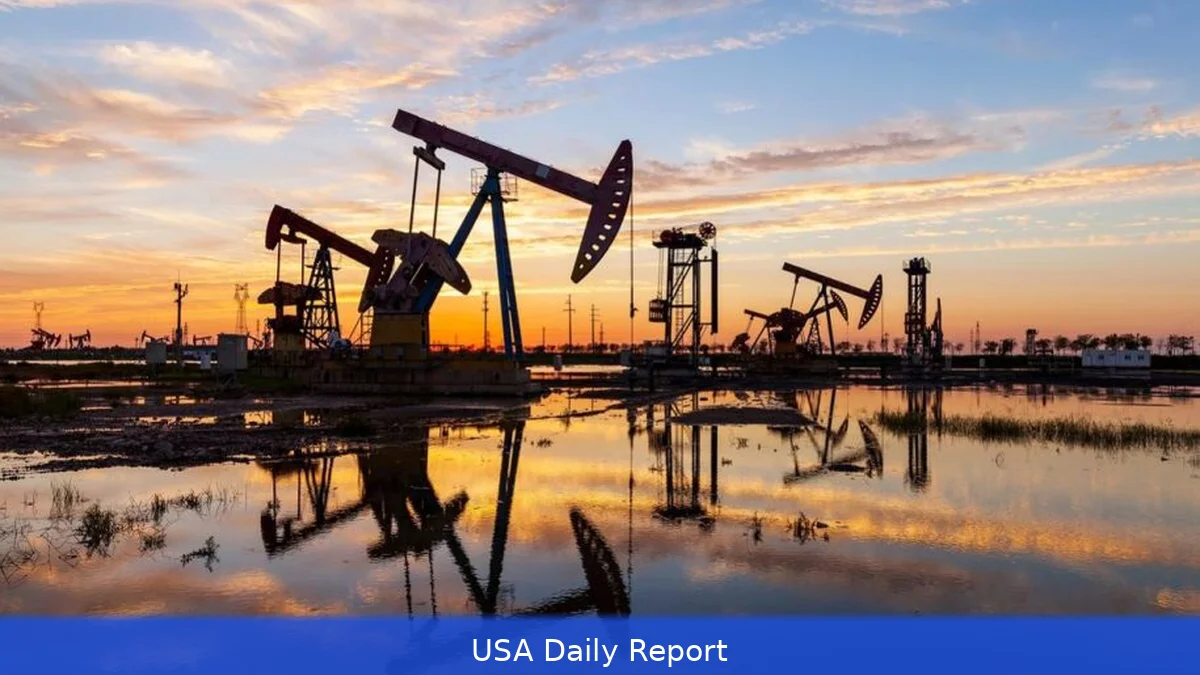
The global oil market has been riding a fragile edge since disruptions in the Strait of Hormuz knocked out nearly 18 million barrels per day of crude exports. What once was a buffered market, able to absorb shocks without dramatic price swings, now faces a stark reality: the cushion is gone.
The End of Oil Market Resilience
Since late February, the oil market has endured the largest supply disruption in modern history without the price surges many expected. But that calm has more to do with remaining stockpiles and pre-crisis surpluses than with underlying market strength. Over the past four weeks, inventories and strategic reserves have acted like shock absorbers, keeping prices from spiraling. That safety net is disappearing fast.
Paola Rodriguez-Masiu, Chief Oil Analyst at Rystad Energy, points out that the market’s ability to handle a loss of 17.8 million barrels per day—of which 14.2 million is crude and condensate—was thanks to pre-war surplus and policy-driven releases. But now, spare production capacity is largely trapped behind the Strait of Hormuz, inventories are shrinking, and the oil system has shifted from resilient to vulnerable.
Europe is already feeling the pinch. Refiners there face an emerging squeeze as they compete with Asian buyers for the same Atlantic Basin barrels. The global oil market, once buffered by ample supply and strategic reserves, is now exposed. Any fresh disruption—whether from pipeline failures, hurricanes, or geopolitical flare-ups—could trigger sharp price spikes and supply shortages.
What Changed in the Oil Market?
Before the crisis, the world expected a crude surplus of around 3 million barrels per day this year. Onshore and offshore inventories were healthy, and spare production capacity existed, albeit concentrated in specific regions. These extra barrels provided a cushion to absorb shocks, preventing wild price swings.
But nearly 500 million barrels of total liquids have been lost since the disruption began. The International Energy Agency and other groups responded with strategic petroleum reserve releases and policy waivers, but those measures are temporary. The market that absorbed the initial shock no longer exists.
Rodriguez-Masiu warns that the floor and ceiling for oil prices have both shifted upward. This gap between routine supply disturbances and disproportionate price moves has shrunk. What used to be a tight market for a few weeks is now fragile for the foreseeable future. Prices may not yet fully reflect this fragility, but the risk is mounting.
Global Ripple Effects: India’s Cooking Gas Crisis and Energy Security Concerns
The fallout isn't limited to oil prices. The disruption in the Gulf has sent shockwaves through energy supply chains worldwide. India, heavily dependent on liquefied petroleum gas imports passing through the Strait of Hormuz, is facing a severe cooking gas shortage. Restaurants across major cities are cutting menus, shortening hours, or shutting down as commercial LPG supplies dwindle.
The National Restaurant Association of India reports widespread closures and rationing, with some eateries switching to coal, wood, or electric cookers. Social media is flooded with videos of long lines at cooking gas dealers. While the Indian government insists there's no shortage, it acknowledges redirecting LPG toward household use and prioritizing essential sectors like hospitals and schools.
Approximately 60% of India’s LPG is imported, and about 90% of those shipments transit the Strait of Hormuz. The ongoing conflict has effectively shut this crucial chokepoint, amplifying supply risks in a country with over 300 million domestic LPG users.
Energy Giants deal with a Tough Landscape Amid Market Fragility
Big oil companies are feeling the pressure too. Chevron Corporation, for example, faces a tough environment marked by falling commodity prices and uncertain demand, especially from China. Brent crude will probably hover around $55 per barrel through 2026, pressured by oversupply and weakening global consumption.
Chevron grew production by 21.5% in the third quarter, yet upstream earnings fell 28% year over year due to lower prices. The company also faces rising costs from tariffs and inflation, regulatory challenges in California, and capital risks associated with frontier exploration and recent acquisitions like Hess.
Meanwhile, Canadian Natural Resources Limited benefits from strong production growth and a more insulated asset base, but the overall market fragility still casts a shadow on future earnings and investment plans.
Both companies reflect the broader challenges energy producers face as supply shocks collide with changing demand patterns, regulatory pressures, and volatile prices. Investors are watching closely to see which firms can balance resilience with growth in this uncertain market.
With buffers disappearing and supply disruptions looming, the oil market has entered a new, fragile phase. Consumers, businesses, and producers alike must brace for tighter supplies, higher prices, and more volatility in the months ahead.


