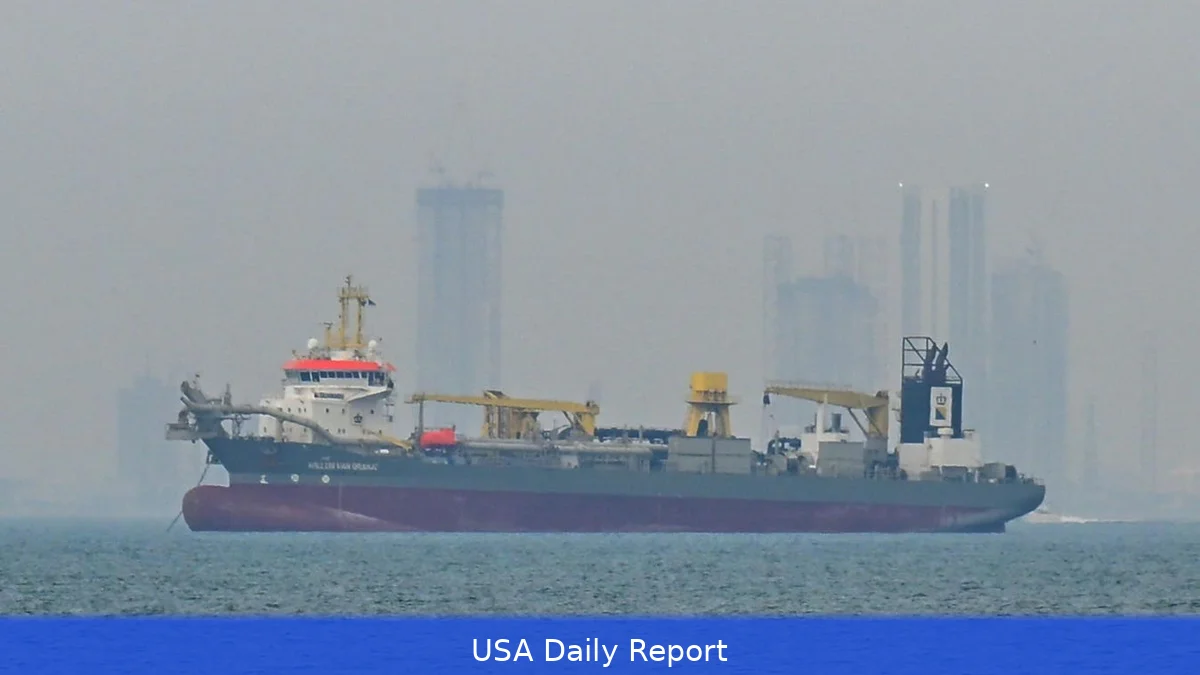
U.S. Inflation may soar beyond 4% this year if conflict in Iran drags on. The OECD’s latest forecast warns that disruptions to oil supplies through the Strait of Hormuz could send prices and inflation sharply higher, compounding existing economic pressures.
Inflation Set to Surge as Oil Prices Spike
Diesel and gasoline prices have surged since the U.S. And Israel launched strikes in Iran late February, triggering supply chain shocks in energy and key commodities. The Organization for Economic Co-operation and Development (OECD) estimates that U.S. Consumer inflation could climb to 4.2% this year, the highest among G7 nations.
That’s a sharp jump from last year’s 2.6%. The OECD attributes the rise mainly to Iran’s blockade of the Strait of Hormuz, a vital passageway for nearly a fifth of the world’s oil shipments. Energy costs are spilling over into higher prices for fertilizer, metals, and industrial components, pushing business expenses and consumer prices higher.
"The breadth and duration of the conflict are very uncertain," the OECD said, "but prolonged higher energy prices will add markedly to business costs and raise consumer price inflation, with adverse consequences for growth." So far, the war’s impact has already pushed global inflation expectations upward, with the OECD revising its global inflation forecast to 4% for 2026, up from 3.4% last year.
Economic Growth Faces Headwinds
Higher inflation means U.S. Families will likely spend more on fuel, cutting back elsewhere.
The OECD predicts that this squeeze will slow U.S. Real GDP growth to 2% next year, down from 2.1% in 2025.
Growth may slow even further to 1.7% in 2027.
Global growth is taking a hit, too. The OECD now expects world GDP growth to slow to 2.9% in 2026, down from 3.3% in 2025. It expects a modest pickup to 3% in 2027. Tariffs, energy supply problems, and uncertainty from the Middle East conflict are putting the global economy to the test.
Federal Reserve Signals Inflation Risks Are Rising
Federal Reserve Governor Lisa Cook recently pointed to the Iran war as a major factor shifting risks toward higher inflation. Speaking at Yale School of Management, Cook said the conflict has pushed inflation risks above the Fed’s 2% target, complicating their goal of balancing price stability with employment.
Oil prices have climbed from around $75 a barrel in late February to over $100 in March. That jump came after Iran effectively cut off a big portion of petroleum shipments through the Strait of Hormuz.
The Fed’s benchmark short-term interest rates remain at 3.5% to 3.75%, but market expectations have shifted. Futures markets now price in essentially no chance of a rate cut this year, reflecting uncertainty about the war's duration and its impact on inflation.
Long-Term Risks to Energy and Supply Chains
Even if fighting stops soon, damage to energy infrastructure in the Middle East might keep prices high for months. Repairs will take time, and supply disruptions could ripple through fertilizer and metal markets, affecting agriculture and manufacturing worldwide.
The OECD noted that before the conflict, global growth showed resilience despite tariffs and rising investments in technologies like artificial intelligence. But the ongoing war threatens to delay investments and slow economic momentum.
At the same time, the European Central Bank will probably hike rates once this year, while the Fed is likely to hold steady on interest rates in 2026. Balancing curbing inflation and supporting growth is becoming more precarious as geopolitical risks mount.
The war in Iran has changed the economic outlook both in the U.S. and around the world. Inflation is set to rise, growth will slow, and central banks will have to be cautious as energy prices and supply chain issues continue. The length of the conflict will influence the economy for years ahead.


