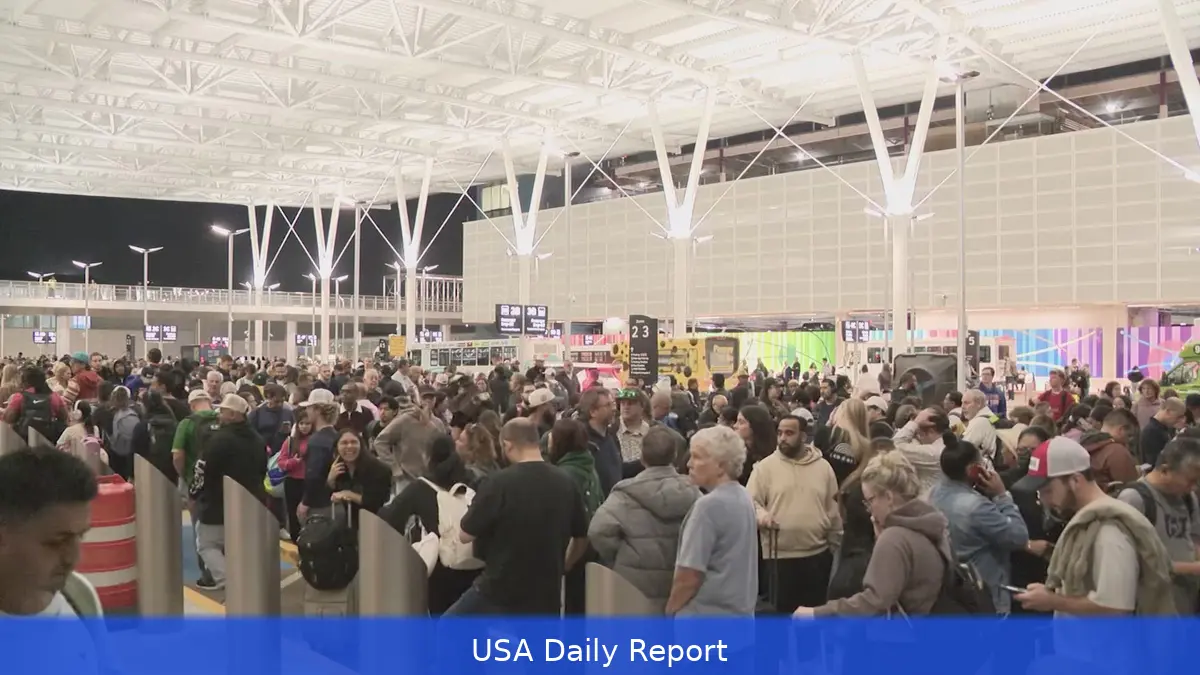
TSA security lines have stretched to four hours or more at major U.S. Airports this spring, fueling a scramble among travelers to find alternative ways to get around. The partial government shutdown has caused TSA staffing shortages, which have overwhelmed airports and left passengers stuck.
Unpredictable Delays Hit Key Airports
At Hartsfield-Jackson Atlanta International Airport, the busiest airport in the world by passenger count, travelers face warnings to arrive at least four hours before their flights. The airport’s website bluntly advises that current federal conditions could cause extensive delays for both domestic and international screenings.
Houston’s George Bush Intercontinental Airport reported wait times of up to four hours during morning rush periods. Similarly, New York’s JFK and Newark Liberty airports have suspended public wait-time updates because conditions fluctuate rapidly depending on staffing and passenger volume.
But it’s not all airports. Dallas-Fort Worth and Denver International have managed to keep wait times to about 20 minutes, showing some resilience despite the staffing crisis. Las Vegas's airport also saw light TSA lines recently, offering a glimpse of relief in an otherwise chaotic travel season.
Still, the overall picture is grim for those flying through hubs hit hardest by the TSA workforce shortage.
Staff Shortages Linked to Government Shutdown
The root cause of the crisis is a partial federal government shutdown that began mid-February due to a political impasse over immigration enforcement funding. TSA screeners, numbering around 50,000 nationwide, are working without pay. Many have called out or quit, shrinking the workforce dramatically.
The Department of Homeland Security blamed Democratic lawmakers for the shutdown, saying they were holding spring break travel hostage for political reasons. Meanwhile, TSA officers themselves are caught in the middle—forced to work unpaid, leading to record absenteeism.
Major airports like Houston Hobby and New Orleans’ Louis Armstrong International have urged passengers to arrive 3 to 5 hours early, a stark departure from normal guidance. At Houston Hobby, waits topped 3½ hours, forcing passengers to endure long queues and slow movement through checkpoints.
Travelers posted photos and videos showing long lines, with some saying they waited more than two hours to get through security. One teen passenger at Houston Hobby waited more than two hours despite arriving well ahead of his flight.
Impact on Travel Behavior and Alternatives
Many travelers are reconsidering flying because of the chaos at TSA checkpoints. Some are opting to drive or take trains to avoid the risk of missing flights amid unpredictable delays.
Biometric services like CLEAR, which speed travelers through ID checks, have seen surges in enrollment, indicating growing demand for ways to bypass traditional TSA lines. But these services only help at airports where they're available and don’t fully solve the problem of understaffed security lanes.
Airlines and airports tell passengers to allow extra time, but since wait times are unpredictable, catching flights remains risky. For business travelers and those on tight schedules, the delays are both costly and stressful.
At the same time, the surge in road and rail travel could strain other parts of the transportation network, with rental car shortages and crowded trains becoming more common during peak travel periods.
Economic and Financial Ripples
The ongoing TSA staffing crisis might affect the wider economy. Travel delays and missed flights disrupt business deals, conferences, and tourism revenue. Airlines face increased costs from flight delays and passenger compensation claims.
Meanwhile, airports may see reduced passenger spending on concessions and retail if travelers opt for alternative travel methods or avoid airports altogether. The travel disruption also affects payrolls and local economies dependent on steady airport traffic.
Congress remains deadlocked on ending the shutdown, keeping TSA staff in limbo. Until a resolution is reached, travelers across the country will likely face a bumpy spring travel season.
Since the shutdown shows no end, travelers are switching to cars, trains, or using biometrics like CLEAR to avoid long lines. How long the chaos lasts depends on Washington’s next move.


