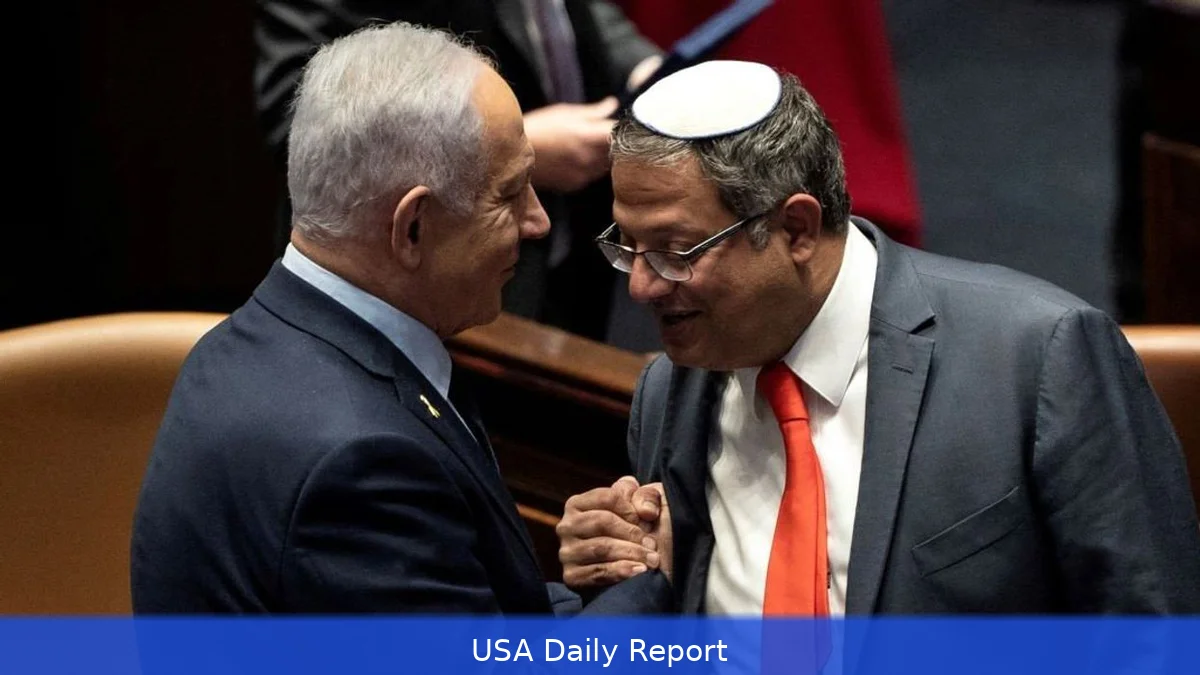
Israel’s parliament has greenlit its largest-ever state budget, sharply boosting military spending while leaning heavily on borrowing to fund its escalating conflict with Hamas. The move gives Prime Minister Benjamin Netanyahu a political win but raises fresh concerns over economic strain and long-term fiscal stability.
Political Survival Meets Economic Risk
Israel’s Knesset approved a 2025 budget totaling 620 billion shekels, or roughly $166 billion, marking a jump of around 20% from pre-war plans. The vote, passing 66 to 52, came after weeks of political turmoil and protests against Netanyahu’s government, which has faced criticism for moves seen as weakening democratic norms. Still, the budget’s approval averts a government collapse under Israeli law and solidifies Netanyahu’s hold amid a fractious coalition.
But the budget’s priorities reveal a government stretched by war and internal pressures. Defense spending dominates, with 110 billion shekels earmarked, reflecting ongoing military operations in Gaza and threats from Hezbollah and Iran. This amount is about 80% higher than pre-conflict allocations. Finance Minister Bezalel Smotrich insisted the budget "incorporates everything needed for victory" and balances growth with fiscal responsibility, even as critics call it a "greatest robbery" of the middle class by prioritizing far-right coalition interests over the economy.
Debt-Fueled Defense Spending and Economic Strain
The government’s reliance on debt to fund military action is clear. In 2024, Israel borrowed 278 billion shekels—more than during the COVID-19 crisis in 2020. With war costs mounting, the deficit target for 2025 was set at 4.7% of GDP, with some room to increase to 4.9% to cover "significant military activities." The finance ministry warns that mobilizing reservists, who cost around 48,000 shekels ($12,700) per month each, adds to the economic burden. Businesses have to adjust for the absence of employees called to service, and public finances face mounting pressure.
Still, the economy showed signs of resilience earlier this year. In the first quarter of 2025, Israel’s economy grew at an annualized rate of 3.4%, fueled by a temporary ceasefire that boosted exports and fixed-asset investment. But private consumption dropped 5%, signaling weakened consumer confidence amid uncertainty. The fragile ceasefire with Hezbollah in Lebanon has held, but violations and casualties continue to cast a shadow over economic stability.
Shifting Budget Priorities and Political Fallout
Beyond defense, the budget reflects political calculations. Spending on religious and nationalist causes favored by far-right coalition members remains intact, despite opposition claims that these allocations do little to promote economic growth.
National Security Minister Itamar Ben Gvir’s party even vowed to oppose the budget in parliament after his demands for increased police funding were rejected, though the coalition can pass the plan without their votes.
Netanyahu warned that defense spending might rise further after a committee tasked with assessing military needs reports in December. The government is prepared to revise the budget or add funds ahead of final approval. Finance Minister Smotrich promised any increases would come without sacrificing fiscal discipline or Israel’s credibility in global markets.
Israel’s credit ratings have slipped since the conflict began but remain within investment-grade territory. The government’s fiscal package also includes new taxes, such as a 2% levy on profits held in companies that avoid dividends, aimed at raising revenue without cutting defense funding.
Israel’s record war budget shows the country is putting military strength ahead of economic caution amid ongoing conflict and political strife. It’s still unclear if Israel’s heavy debt and politically driven spending will weaken its economy as the war continues.


